BLOG
Top 5 Tips for Choosing the Best Floating Barrier for Your Needs?
When considering the right Floating Barrier for your specific needs, several factors come into play. A floating barrier serves as a crucial tool for water management, pollution control, and aquatic safety. Selecting the best option can be a daunting task. Each type of floating barrier has its unique features and intended uses, which can lead to confusion.
The importance of choosing the right floating barrier cannot be overstated. A well-chosen barrier can effectively minimize contamination and enhance water quality. However, many people overlook key elements such as material durability, installation requirements, and environmental impact. Engaging with experts and reviewing case studies can provide invaluable insights. Yet, companies often promote vague benefits, making it hard to see the real value.
Finding the ideal floating barrier is not merely a choice; it requires thoughtful consideration. User reviews often point to issues that prospective buyers should ponder. Is the barrier easy to install? How well does it perform over time? These questions highlight the necessity of thorough research before making any decisions. Balancing personal needs with product performance is essential for achieving the desired outcomes.
Understanding the Purpose of Floating Barriers for Your Project
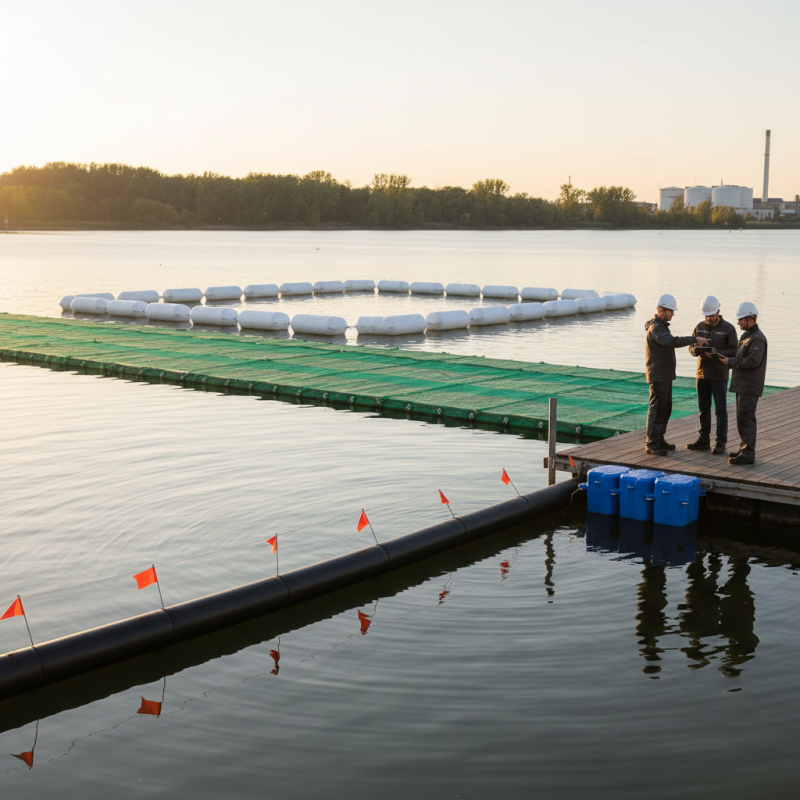
Floating barriers serve a vital role in various environmental projects. These barriers can effectively contain oil spills, floating debris, and other pollutants. Understanding their specific purpose helps in selecting the right type for your needs. In many cases, floating barriers are used in water bodies to protect sensitive ecosystems. Their primary function is to prevent harmful substances from spreading and affecting wildlife.
Choosing the best floating barrier requires considering several factors. First, assess the size and type of water body involved. Is it a calm lake or a fast-moving river? The conditions of the water influence the barrier design. For example, rough waters demand more robust barriers. Additionally, consider the materials used in the barrier's construction. Some materials provide better durability and resistance to harsh weather.
Reflect on past experiences when using floating barriers. Did the chosen barrier fully meet your project needs? Perhaps it failed to contain all pollutants. Gathering feedback from these experiences can guide future decisions. It’s also important to keep in mind that no solution is perfect. Each barrier has limitations. Critical evaluation is necessary to ensure the best possible outcome for your project.

Evaluating Different Types of Floating Barriers Available in the Market
When evaluating different types of floating barriers, start by considering the material. Common options include foam, fabric, and solid barriers. Foam barriers are lightweight and easy to deploy. However, they may not offer the best durability. Studies show that solid barriers outperform foam in harsh conditions. They resist wear and tear, essential for long-term use.
Next, assess the barrier's design. Some feature anchors for stability, while others use free-floating designs. A report by the International Environmental Protection Agency indicates that anchored barriers reduce sediment and debris flow by up to 40%. This can protect local wildlife and aquatic ecosystems. Depending on your specific needs, choose a design that balances intervention effectiveness and environmental impact.
Lastly, warranty and service are key factors. While a strong warranty indicates quality, the available service support also matters. Delays in maintenance could lead to failures. Moreover, investing in a barrier that requires frequent repairs may not be cost-effective. This reflection on service and warranties can guide you in making the best decision for your floating barrier needs.
Assessing Materials and Durability for Long-Term Use
Choosing the right floating barrier involves careful consideration of materials and durability. Different materials offer various benefits. For example, high-density polyethylene (HDPE) is lightweight and resistant to corrosion. On the other hand, polypropylene provides flexibility, but may degrade faster in sunlight. Assessing these characteristics helps in selecting the most suitable option for your needs.
Durability is crucial for long-term use. Factors like UV exposure and wave action can weaken barriers over time. A barrier that performs well initially may not withstand harsh conditions long-term. Pay attention to the manufacturer's specifications regarding lifespan. Sometimes, lighter options may seem appealing, but their longevity could raise concerns.
Regular maintenance should not be overlooked. Even robust barriers require attention after severe weather. Inspecting for wear and tear can prevent larger issues. It’s essential to be proactive and reflective about the overall performance. Finding that balance between cost and quality is often challenging. You want a reliable solution that stands the test of time.
Considering Environmental Impact and Regulations When Choosing Barriers
Choosing a floating barrier involves careful consideration of environmental impact and regulation compliance. These barriers are crucial for preventing waste and contaminants from spreading in waterways. The Environmental Protection Agency (EPA) emphasizes the importance of selecting barrier materials that minimize ecological disruption. Materials that degrade slowly or leach harmful substances can contribute to environmental degradation.
Key regulatory frameworks, like the Clean Water Act, govern the types of materials that can be used. Recent studies indicate that about 40% of U.S. waters are impaired, largely due to pollution. Adhering to regulations ensures that chosen barriers do not exacerbate these issues. Additionally, organizations such as the International Association for Environmental Protection suggest routine assessments for the barriers' performance in dynamic water conditions.
When considering the actual installation location, site-specific factors become essential. For example, varying water flow rates and local wildlife can influence barrier effectiveness. Some barriers may appear effective initially, yet they hinder animal movement or disrupt sediment transport. This reflection highlights the necessity of ongoing evaluation and adaptation of barrier systems to meet both regulatory standards and environmental needs.
Budgeting and Cost-Effectiveness in Selecting Floating Barriers
When selecting a floating barrier, budgeting plays a crucial role. Many options are available in various price ranges, but cost-effectiveness is key. A 2021 industry report highlighted that effective barriers can reduce pollution control costs by up to 30%. This makes investing in quality barriers essential for long-term savings.
Additionally, upfront costs can often mask hidden expenses. Maintenance and operational costs must be factored in. It's reported that poorly designed barriers can incur twice the maintenance costs over time. Choosing durable materials, while often more expensive upfront, can lead to lasting savings.
Understanding your specific needs will streamline your selection process. Identify how the barrier will be used and its location. Different environments may require different materials, which can influence the overall budget. A tailored approach will ensure the chosen barrier meets both functional and financial requirements. Balancing quality and cost is critical for effective long-term solutions.
Top 5 Tips for Choosing the Best Floating Barrier for Your Needs
| Tip | Description | Cost-Effectiveness | Durability | Environmental Impact |
|---|---|---|---|---|
| Understand Your Needs | Assess the specific requirements based on location and application. | Investing in a tailored design may reduce long-term costs. | Custom barriers often offer better durability. | Choose eco-friendly materials to minimize impact. |
| Research Materials | Different materials provide varying levels of effectiveness and longevity. | Higher quality materials may have higher upfront costs but are cost-effective over time. | Durable materials ensure a longer lifespan and reduce replacement frequency. | Select non-toxic materials to follow environmental regulations. |
| Evaluate Installation and Maintenance | Determine ease of installation and the maintenance requirements. | Barriers that are easy to install can save on labor costs. | Low-maintenance designs contribute to lower operational costs. | Regular maintenance should be environmentally safe to not harm surrounding areas. |
| Consider Local Regulations | Understand local regulations regarding floating barriers. | Compliance can help avoid fines and additional costs. | Regulatory-approved options often have verified durability. | Adhering to regulations ensures environmentally responsible practices. |
| Compare Costs and Effectiveness | Assess the price against expected performance and lifespan of the barrier. | Finding a balance between price and performance is crucial for budget. | Higher initial investment may pay off with greater longevity. | Analyze how each option impacts local ecosystems. |