BLOG
Top 5 Tips for Choosing Selective Pallet Racking Systems?
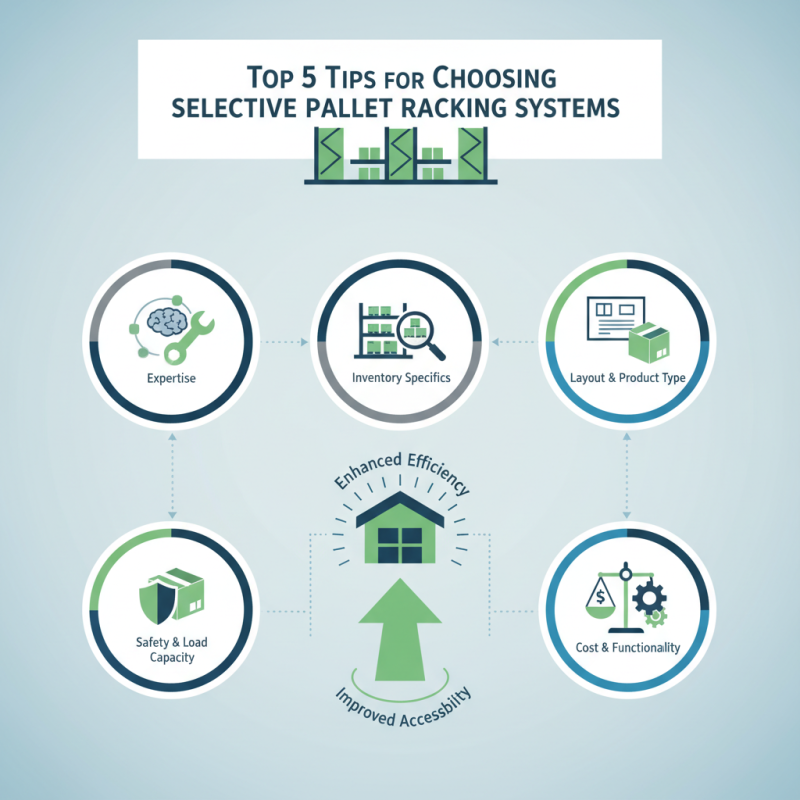
When selecting Selective Pallet Racking systems, expertise is crucial. Scott Taylor, a renowned logistics expert, emphasizes, "The right racking can transform your warehouse efficiency." This statement reflects the significance of making informed decisions in the warehousing industry.
The right Selective Pallet Racking system not only enhances storage space but also improves accessibility. Many businesses overlook the specifics of their inventory when choosing a system. Inadequate planning can lead to inefficient operations, causing delays and loss of productivity.
Consider your product types and warehouse layout carefully. Not every Selective Pallet Racking fits all situations. For instance, heavy items require sturdy racking systems that support their weight. Making the wrong choice can result in safety hazards and costly disruptions. Balancing cost and functionality may seem challenging, yet it is essential for long-term success.
Understanding Selective Pallet Racking Systems and Their Benefits
Selective pallet racking systems offer a versatile storage solution for warehouses. These systems allow easy access to pallets, making inventory management more efficient. This is crucial in environments where quick retrieval is essential. The ability to store a variety of products on different levels increases storage density, making the most of vertical space. Reliable and adaptable, selective pallet racking meets the diverse needs of various industries.
One benefit of selective racking is its ease of installation. It requires minimal training for warehouse staff. However, proper planning is vital to maximize effectiveness. Analyzing your inventory and considering the weight and size of materials are key factors. Consideration of aisle widths for forklift movement is also important. The balance between storage capacity and accessibility must be carefully evaluated.
While selective pallet racking is robust, it’s not without flaws. Improperly configured systems can lead to space wastage. Regular inspections are necessary to ensure structural integrity. The choice of racking type greatly impacts safety and efficiency. Reflecting on your storage needs can prevent costly adjustments in the future.

Assessing Your Warehouse Space and Storage Requirements
When evaluating your warehouse space, understanding its dimensions is crucial. Consider the height, width, and depth of the area. A study by the Industrial Storage Solutions Association highlighted that businesses can lose up to 30% storage efficiency by not accurately assessing available space. Identifying these measurements helps determine the right type of selective pallet racking systems.
Next, analyze your storage requirements. What products will you store? Are they heavy, light, bulky, or small? Demand for specific sizes can vary. According to a report by Logistics Management, 70% of warehouses are underutilized. Customizing your racking system according to product dimensions can improve space utilization significantly.
Furthermore, think about accessibility. How often will you need to access items? Some racking systems allow for quicker retrieval than others. Poor accessibility can lead to delays and dissatisfaction among staff. Research shows that effective space organization can enhance inventory turnover rates by 25%. Evaluate all these factors carefully to create an efficient storage solution.
Top 5 Tips for Choosing Selective Pallet Racking Systems
| Tip Number | Tip Description | Considerations | Benefits |
|---|---|---|---|
| 1 | Assess Your Available Space | Measure height, width, and depth of the warehouse. | Maximizes storage capacity. |
| 2 | Determine Load Requirements | Evaluate the weight and size of pallets. | Ensures racking can handle loads safely. |
| 3 | Consider Forklift Type | Check compatibility with existing equipment. | Improves efficiency in handling goods. |
| 4 | Plan for Future Expansion | Allow for additional racking if needed. | Supports business growth without major overhauls. |
| 5 | Consult with Experts | Get professional advice on layout and design. | Ensures the best solution for unique needs. |
Evaluating Load Capacity and Weight Distribution in Racking Systems
When selecting a selective pallet racking system, evaluating load capacity and weight distribution is crucial. Each pallet must evenly distribute weight to prevent accidents and optimize space. Consider the maximum weight each shelf can hold. Often, racking systems indicate their load limits on labels or in manuals.
Tip one: Calculate the total weight of your pallets before choosing a system. Ensure that your selected racking can handle this weight comfortably. Underestimating can lead to structural failures.
Tip two: Assess the warehouse layout. Different designs affect how weight is distributed. A narrower aisle might enable more racks but can also lead to uneven weight loads.
Also, check how your stored items vary in weight. If products are inconsistent in weight, consider adjustable racking options. This feature allows flexibility. A rigid system might not adapt well to changing inventory needs.
Reflect on the impact of poor distribution. It can not only harm your racking but also create safety hazards for employees. Visit your facility regularly to evaluate racking condition and load balance. Making these assessments can significantly improve efficiency and safety in the long run.
Choosing Between Different Types of Selective Racking Configurations
Choosing the right selective pallet racking system can be overwhelming. There are several configurations to consider, each with unique benefits and drawbacks. When faced with options, evaluate your specific needs to identify what works best for your warehouse.
Tip: Start by assessing your inventory types and sizes. Different configurations, like double-deep or drive-in racks, cater to various storage styles. Understanding your product dimensions helps in selecting the right system.
Remember that not all racking systems are created equal. Some may offer greater accessibility, while others maximize space utilization. Weigh these factors against your operational flow. For instance, a high-density option saves room but may limit access.
Tip: Consider future growth. A system that adapts to changing inventory types can reduce costs in the long run. Flexibility can be a game changer, especially as market demands shift.
Lastly, engage with professionals or consult industry resources. They can provide insights based on experience. It's vital to reflect on what has worked for others and how similar decisions might affect you.
Ensuring Compliance with Safety Standards and Regulations in Racking Design
When selecting pallet racking systems, compliance with safety standards is paramount. According to the Occupational Safety and Health Administration (OSHA), about 28,000 injuries occur in warehouses annually, many due to improper racking setups. Ensuring racks meet safety regulations reduces risks for workers. Furthermore, the International Organization for Standardization (ISO) provides guidelines that emphasize the importance of load limits and proper installation.
Regular inspections are crucial for maintaining compliance. The Rack Manufacturers Institute (RMI) suggests conducting audits at least twice a year. Inspections help identify potential issues such as bent beams or worn-out connectors. Neglecting maintenance can lead to costly accidents. Training employees on racking safety is equally important. Studies show that proper training can decrease workplace incidents by up to 40%.
Choosing a racking system that aligns with local regulations is essential. Different regions have varying codes, which can be overwhelming. However, consulting with industry experts can mitigate risks. They can provide insights on local compliance and best practices. Balancing efficiency while prioritizing safety not only protects employees but also enhances overall productivity. Ignoring safety could lead to financial losses, but staying informed pays off.