Top 5 Tips for Choosing an X Ray Inspection Machine?
Choosing the right x ray inspection machine is crucial for various industries, from manufacturing to healthcare. A recent report by the International Journal of Nondestructive Testing highlights that over 70% of companies depend on effective X-ray inspection for quality assurance. Selecting a reliable machine can boost efficiency and product safety.
Dr. Anna Porter, an expert in radiographic imaging technologies, emphasizes, “The right x ray inspection machine not only ensures compliance but also enhances overall operational performance.” Her insights reflect the industry’s growing reliance on advanced technology to meet precise inspection standards.
Investing in an x ray inspection machine is not merely about purchasing equipment. It's about understanding individual needs, application specificities, and technological advancements. Many buyers overlook the importance of post-purchase support and calibration services. This oversight can lead to decreased machine efficacy over time. Thus, careful consideration and expert advice play a significant role in the selection process.
Understanding Your Specific Inspection Needs
When selecting an X-ray inspection machine, understanding your specific inspection needs is vital. The first step is to identify the type of materials you will inspect. According to industry reports, 65% of inspections focus on solid objects, such as metal or plastic parts. Each material behaves differently under X-ray, affecting image quality and detection rates.
Consider the required resolution. High-resolution machines are essential for detecting small defects. Recent studies show that machines with higher resolution can detect up to 95% of all defects in metal parts. It's important to balance resolution with throughput. A machine that processes 200 units per hour may not look as attractive compared to one with multi-layer imaging that inspects 100 units but provides superior detail.
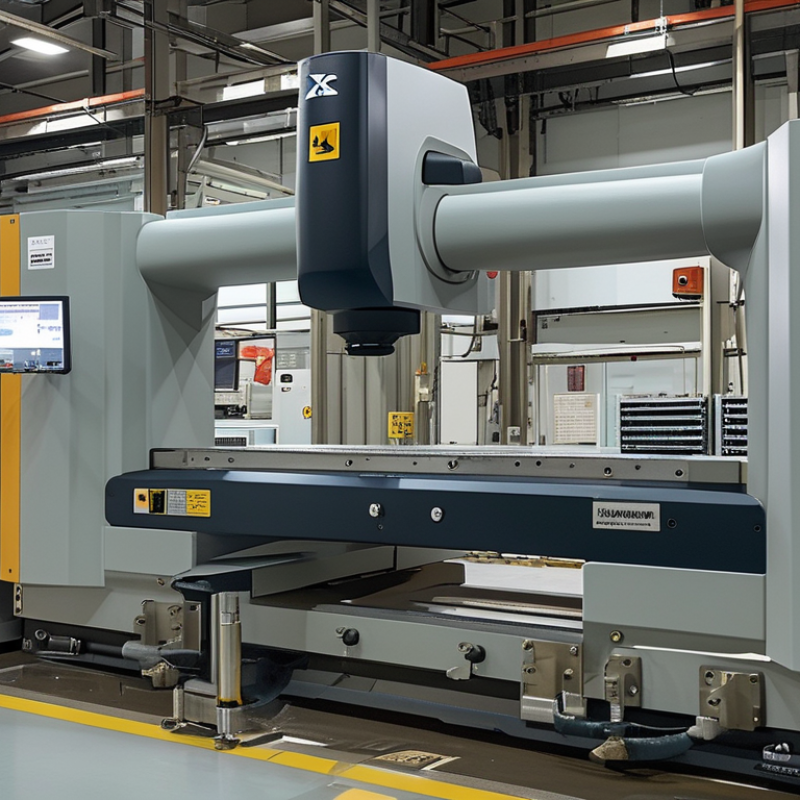
Size and space also matter. Some machines require more space due to their design and operational needs. Depending on the layout, you may face challenges with installation and maintenance. Accessibility for repairs and regular calibration is often overlooked, yet it is critical for consistent performance. A machine should fit well within your operational workflow, aligning with your inspection goals rather than creating barriers.
Top 5 Tips for Choosing an X Ray Inspection Machine
| Tip Number |
Tip Description |
Inspection Needs |
Key Considerations |
| 1 |
Assess the Material Type |
Metals, Plastics, Composites |
Ensure compatibility with the material |
| 2 |
Determine the Inspection Speed |
High volume vs Low volume |
Evaluate throughput requirements |
| 3 |
Consider Image Quality |
Resolution requirements |
Assess detection capabilities |
| 4 |
Evaluate Safety Features |
Operator safety, radiation shielding |
Compliance with regulations |
| 5 |
Check for Technical Support |
Availability of maintenance and training |
Long-term operational reliability |
Evaluating Machine Types and Technologies Available
When evaluating X-ray inspection machines, understanding the types and technologies available is crucial. Different machines serve various industries, from food processing to aerospace. A recent report indicated that the global X-ray machine market is projected to grow by nearly 6% annually until 2027. This growth is driven by advancements in technology and the increasing need for safety and quality assurance.
One key consideration is the type of X-ray technology used. Digital X-ray machines offer faster processing times and improved image quality. They integrate advanced imaging software that can enhance detection capabilities. However, some users report challenges in interpreting these high-resolution images without proper training.
Understanding the nuances of each machine type is essential for making an informed decision. For instance, some systems are designed for high throughput in production lines. Others prioritize resolution for precise inspections, like detecting minor defects. Evaluate your specific needs carefully.
Here are some tips to guide your choice:
- Analyze your inspection requirements before choosing a machine.
- Prioritize machines with easy maintenance features.
- Consider systems that offer comprehensive training for your staff.
The right machine can ensure quality and safety, but it requires careful evaluation of all available options.
Assessing Image Resolution and Detection Capabilities
When choosing an X-ray inspection machine, image resolution and detection capabilities are paramount. High-resolution imaging ensures that critical features are not missed. According to a report from the International Society for Optical Engineering, machines with a resolution of 10 megapixels or higher can detect defects as small as 0.1 mm. This level of detail is often necessary in industries like manufacturing and quality control.
Evaluating detection capabilities includes assessing both sensitivity and specificity. Sensitivity refers to the machine’s ability to identify true defects, while specificity measures its accuracy in distinguishing between defects and non-defects. A study by the American Academy of Radiology found that machines with a sensitivity rate of over 90% provide more reliable results. Thus, investing in technology that meets these criteria is crucial for operational efficiency.
Tip: Review performance data from third-party evaluations when possible. Look for user reviews that discuss real-world applications and findings. This can provide deeper insight into the machine's actual performance and limitations. Stay informed about the latest industry trends and standards to ensure that your choice supports your quality assurance goals effectively.
Considering Budget and Total Cost of Ownership
When choosing an X-ray inspection machine, budget is a major factor. However, the total cost of ownership often goes overlooked. This includes maintenance, operational costs, and potential downtime. Understanding these aspects can lead to smarter investment decisions.
Consider the initial purchase price. While a lower upfront cost may be tempting, it might lack essential features. Ensure the machine meets your inspection needs effectively. This could prevent future expenses from insufficient performance. Evaluate your facility's specific requirements and the long-term implications of your choice.
Look into maintenance costs. Some machines require extensive upkeep, leading to increased expenses. Account for the frequency of part replacements and staff training. These can add to the overall budget. Analyze your operational efficiency. A machine that improves workflow can save costs in the long run. In contrast, one that causes disruptions may lead to frustration and financial losses. Make an informed choice, investing wisely for future success.
Reviewing Maintenance and Support Options
When selecting an X-ray inspection machine, maintenance and support options are crucial. A reliable maintenance plan keeps the machine at peak performance. Look for manufacturers that offer comprehensive service plans. Regular check-ups can help prevent costly downtimes.
Consider how easy it is to access technical support. Having a responsive team is important. Some machines may require specialized knowledge for troubleshooting. Check the availability of support during your operational hours. This is vital for minimizing disruptions to your workflow.
Evaluate the frequency of software updates. Staying updated ensures optimal functionality. Machines should interface seamlessly with new technology. Ask potential suppliers about their update policies. They should provide clear information on commitment to ongoing support. Is the support team available for training? Proper training can enhance operator confidence and reduce errors.