What is Ultra White Glass Sheet and Its Benefits for Buyers?
Ultra White Glass Sheet is a revolutionary material in modern architecture and interior design. Its clarity and brightness make it a popular choice for both residential and commercial spaces. This exceptional glass offers superior transparency, allowing natural light to fill spaces while maintaining a sleek appearance.
The benefits of Ultra White Glass Sheet extend beyond aesthetics. It boasts increased durability and resistance to scratches, which is vital for high-traffic areas. Additionally, it is easy to clean and maintain, providing lasting beauty with minimal effort. Buyers can trust its quality. This glass is manufactured using advanced technology, ensuring consistent results.
However, while investing in Ultra White Glass Sheet can elevate design, some challenges must be considered. The cost can be higher than standard glass, and installation requires skilled professionals. Reflecting on these aspects can help buyers make informed decisions and develop a balanced perspective on their investment.
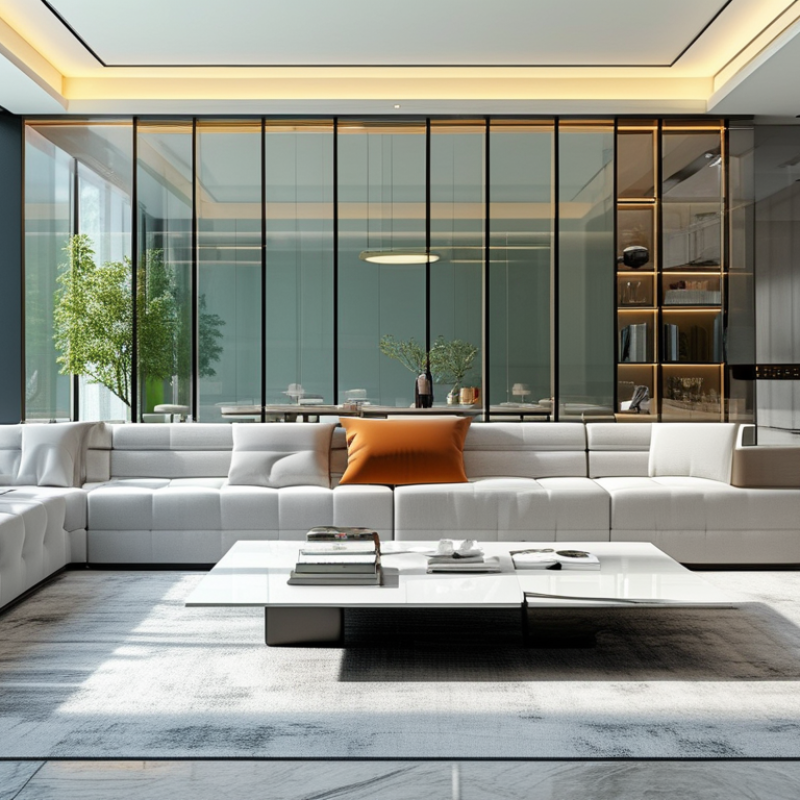
What is Ultra White Glass Sheet: Definition and Composition Overview
Ultra white glass sheet is a type of glass known for its high clarity and excellent light transmission. This glass is manufactured using specific raw materials that enhance its optical properties. The result is a sheet that minimizes greenish tint, offering a bright, clear appearance. Its composition typically includes high silica content, which contributes to its strength and durability.
The benefits of ultra white glass are significant for various applications. In architecture, it allows for more natural light, creating vibrant indoor spaces. This can enhance moods and improve productivity. Additionally, its clarity makes it ideal for display cases, as it showcases items without distortion. However, not all ultra white glass is created equal. Buyers should consider variations in thickness and treatments for scratch resistance. These details can impact project outcomes.
When selecting ultra white glass, it’s crucial to evaluate suppliers based on their expertise. Look for manufacturers with a proven track record. Reading reviews and seeking recommendations can provide insights into quality. Not all products may meet expectations, so doing thorough research is essential for informed decisions.
Key Manufacturing Processes for Ultra White Glass Sheets
Ultra white glass sheets are made using precise techniques that ensure high clarity and minimal impurities. The production process often involves the careful selection of raw materials. Manufacturers typically use high quality silica sand, soda ash, and lime. This selection impacts the final appearance and strength of the glass.
One of the key processes in making ultra white glass is the melting phase. In this phase, the raw materials are heated to extremely high temperatures. This can exceed 1600 degrees Celsius. After melting, the glass is carefully formed, often through processes like casting or pressing. Each method contributes uniquely to the sheet's final characteristics. The cooling process is just as critical. It must be controlled to avoid stress in the glass.
Quality control is essential throughout manufacturing. Regular inspections ensure that the sheets meet rigorous standards. This can include checks for clarity, thickness, and thermal properties. Not all manufacturers implement these checks thoroughly, leading to inconsistencies. This lack of diligence can be concerning for buyers seeking reliability in their products.
Benefits of Ultra White Glass Sheets
The chart above represents five key benefits of Ultra White Glass Sheets as perceived by buyers. Each benefit is measured in percentage, reflecting the importance and value attributed to these features in the market.
Comparative Analysis of Ultra White Glass with Standard Glass Products
Ultra white glass sheets stand out for their clarity and aesthetic appeal. Unlike standard glass, ultra white glass contains minimal iron impurities. This results in a much purer look, enhancing natural light in any setting. Many buyers prefer this type, particularly in high-end applications like architecture and interior design.
When comparing ultra white glass to standard products, the differences are striking. Standard glass can have a greenish tint due to iron content, altering color perception. Ultra white glass avoids this, providing true colors in display cases or showrooms. It's often chosen for its consistency and flawless appearance. However, it can be more expensive, raising questions about cost-effectiveness for some projects.
In terms of performance, ultra white glass boasts better light transmission. This can enhance energy efficiency in buildings by maximizing natural light usage. Yet, its fragility and weight can pose challenges during installation. Buyers need to weigh these factors carefully. Selecting ultra white glass involves consideration of both aesthetics and practicality.
Benefits of Ultra White Glass Sheets for Various Industries
Ultra white glass sheets are increasingly popular across various industries. They offer unparalleled clarity and brightness, making them ideal for applications such as display cases, architectural panels, and photovoltaic systems. According to a recent industry report, the demand for high-transmittance glass is expected to grow by 8.5% annually. This growth is partly due to the increasing trend of using glass in modern construction.
In the automotive sector, ultra white glass sheets enhance visibility and safety features in vehicles. They allow for more light penetration, which can potentially reduce the need for artificial lighting. This is a significant factor when considering energy efficiency standards, especially as the automotive industry aims for more sustainable designs. Statistics indicate that eco-friendly vehicles utilizing lighter materials could see an increase in energy savings by up to 12%.
However, the production of ultra white glass does pose some challenges. For instance, manufacturers face issues with defects and inconsistencies during the manufacturing process. This can lead to increased costs and potential delays. Regular quality control measures and advanced technologies are necessary to mitigate these risks, ensuring that products meet industry standards. Balancing quality and cost remains a pivotal concern in the industry's ongoing development.
Market Trends and Demand for Ultra White Glass in 2023
In 2023, the market for ultra white glass is experiencing significant growth. According to recent industry reports, the demand for this glass type is projected to increase by over 15% annually. This heightened interest stems from its unique properties. Ultra white glass offers superior light transmission, creating brighter and more visually appealing spaces. This key feature makes it a favorite in architectural and interior design projects.
Manufacturers note that the construction sector is a primary driver of demand. Architects increasingly favor ultra white glass for its aesthetic benefits and energy efficiency. Research shows that buildings utilizing this glass require less artificial lighting, which can reduce energy costs. Additionally, its high clarity enhances the aesthetic quality of glass facades and interior installations. However, the production process can be complex, leading to occasional quality discrepancies. Buyers should be aware of possible variations and ensure they are sourcing from reliable suppliers.
The growth trend in 2023 also highlights the increasing interest in sustainable building materials. Ultra white glass can be recycled, contributing to eco-friendly construction practices. However, challenges remain in its production. Resource availability and manufacturing technology are critical factors impacting supply. These complexities underline the importance of understanding the market dynamics for potential buyers.
What is Ultra White Glass Sheet and Its Benefits for Buyers? - Market Trends and Demand for Ultra White Glass in 2023
| Dimension | Value |
| Thickness Options | 2 mm, 4 mm, 6 mm, 10 mm |
| Common Sizes | 1220 x 2440 mm, 1500 x 3000 mm |
| Market Growth Rate (2023) | 12.5% CAGR |
| Primary Applications | Architectural Features, Furniture, Solar Panels |
| Key Benefits | High Light Transmission, Superior Clarity, UV Resistance |
| Regional Demand Leaders | North America, Europe, Asia-Pacific |
| Typical Price Range | $30 - $50 per square meter |

