BLOG

2026 How to Use Food Xray Technology for Safer Eating?

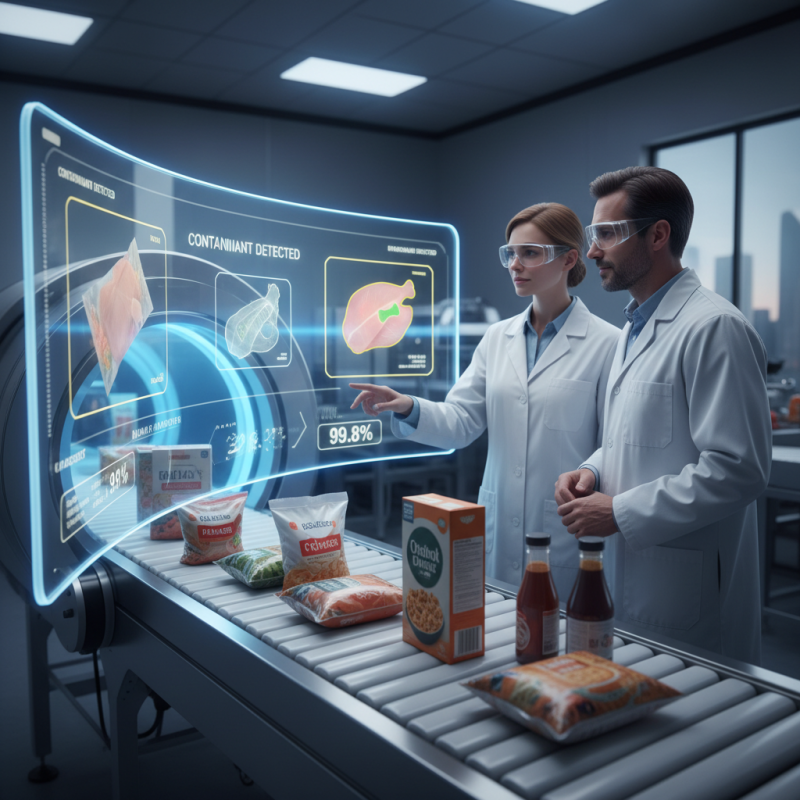
As we move towards 2026, ensuring food safety has become paramount. One promising innovation is food xray technology. This technique uses advanced imaging to inspect food products for contaminants and foreign objects. It offers a non-invasive way to monitor the safety of what we eat.

By employing food xray technology, food manufacturers can enhance quality control. They can identify issues that traditional methods might miss. However, some individuals may question its accuracy or reliability. Discussions about the technology’s limitations are essential.

Moreover, using food xray can promote consumer confidence. People want to trust the food on their plates. Yet, understanding how the technology works, and its possible drawbacks is crucial. We need to balance excitement and caution as it gains popularity in food safety practices.
2026 How to Use Food Xray Technology for Safer Eating?

Understanding Food X-ray Technology and Its Importance
2026 How to Use Food Xray Technology for Safer Eating?

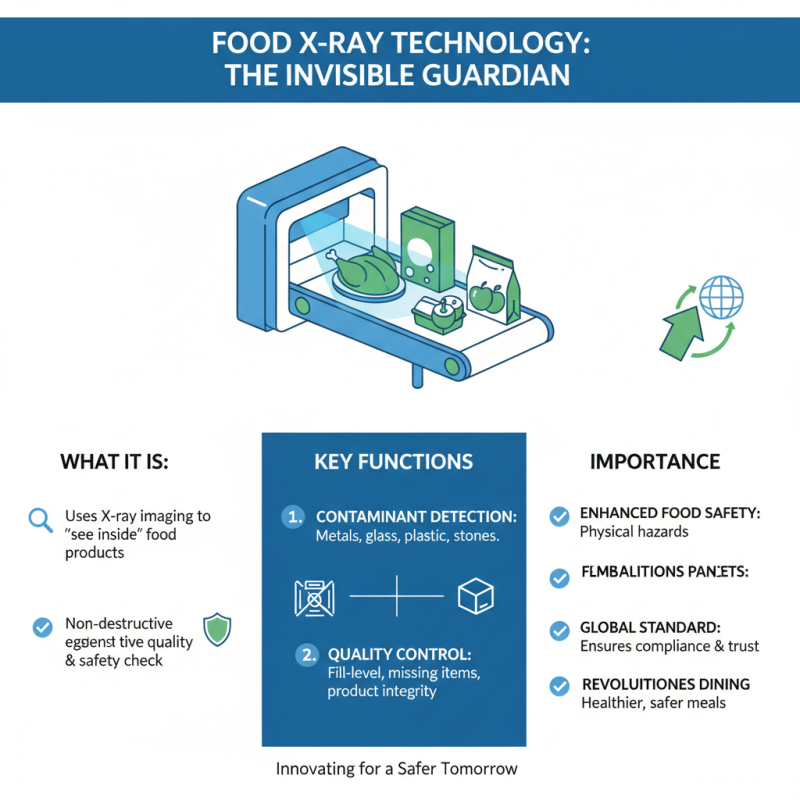
Food X-ray technology offers a groundbreaking approach to ensuring our meals are safe and healthy. This technology uses X-ray imaging to detect contaminants, such as foreign objects, and to assess product quality, like checking for proper filling in packages. It acts as an invisible guardian, enhancing food safety on a global scale. Understanding its importance could revolutionize our dining experience.

Tips for using food X-ray technology include ensuring food products undergo regular inspections. These inspections can reveal hidden contaminants that might otherwise go unnoticed. Additionally, training staff on how to operate X-ray machines effectively is crucial. Knowledgeable staff can intervene when issues arise, thus maintaining food safety standards.

While this technology is promising, it's not infallible. Some food items may still evade detection due to composition or packaging. This necessitates ongoing research and adaptation of the technology. Moreover, relying solely on X-ray inspections may lead to complacency. Comprehensive safety protocols must remain a priority. Ultimately, continued vigilance and improvement in food safety processes are essential.

How Food X-ray Technology Works in Detecting Contaminants

Food X-ray technology plays a critical role in ensuring safe eating. It uses high-energy radiation to penetrate food products and reveal hidden contaminants. This method detects various substances, like metal fragments, glass shards, and even foreign organic materials. In a study by the Food Safety Authority, up to 10% of food recalls in recent years were due to contamination. This highlights the need for effective detection methods.

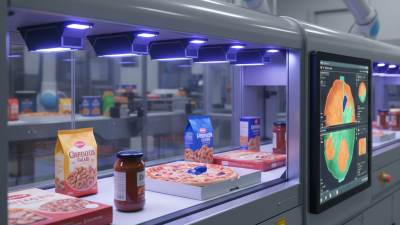
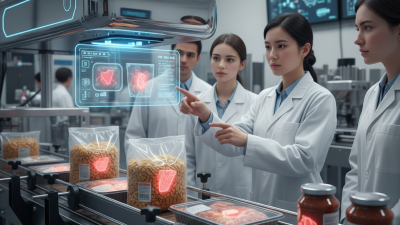
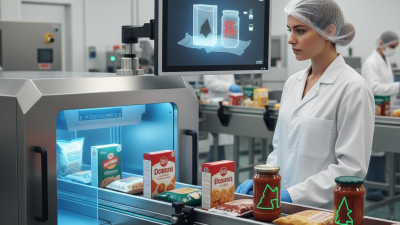
When food passes through an X-ray machine, the differences in density allow the system to identify potential hazards. The images produced help food processors quickly pinpoint contaminants. The speed of detection is crucial, especially in high-volume environments. Regular maintenance of these machines enhances detection accuracy.

Tip: Ensure your food suppliers invest in X-ray technology for quality assurance. Training staff to recognize and respond to contamination signs is vital. Consistency in monitoring food safety can significantly reduce risks. This technology is improving, but complacency can lead to oversight. Always seek out the latest advancements in food safety technology.

Food Contaminants Detected by X-ray Technology

Applications of Food X-ray Technology in the Food Industry

Food X-ray technology is revolutionizing the food industry by enhancing food safety. It uses advanced imaging to detect contaminants like metal, glass, and plastic in food products. According to a report from the Food Safety Authority, X-ray scanning can identify foreign objects as small as 1 mm. This capability significantly reduces risks for consumers.

The application of food X-ray technology spans various food sectors. In meat processing, it helps ensure that meat products are free from harmful materials. In snack food production, it detects packaging errors. A recent industry study showed that incorporating X-ray inspection can increase product safety reliability by over 30%. This technology not only protects consumers but also reduces recalls, which can cost companies millions.

However, the implementation of food X-ray systems is not without challenges. The initial setup costs can be significant, which may deter smaller businesses. Additionally, ensuring consistent staff training is essential for maintaining inspection quality. Not all facilities are equipped to handle these advanced systems, leading to disparities in food safety standards across the industry.

Advantages of Using Food X-ray Technology for Consumer Safety

Food X-ray technology is becoming essential for ensuring consumer safety. This technology inspects food items for foreign objects and contaminants. By utilizing advanced imaging techniques, X-ray machines can detect metal, plastic, and even glass. This detection process occurs rapidly, allowing for high-throughput screening in factories.

The advantages of using this technology cannot be overstated. Firstly, it enhances food safety by identifying hazards before products reach consumers. This proactive approach minimizes risks of contamination. Additionally, food X-ray systems can improve quality control. They help businesses maintain their reputation by ensuring that only safe products reach the market. However, reliance on technological solutions may lead to complacency in good manufacturing practices. Regular training and updates are crucial to maintaining a safety-first approach.

Moreover, while the technology is effective, it has limitations. Not all contaminants are detectable, especially organic materials. This gap requires continuous improvement and innovation. Enhancements in X-ray technology are necessary to keep up with evolving consumer safety needs. Balancing technology with traditional safety methods can lead to better outcomes.

2026 How to Use Food Xray Technology for Safer Eating? - Advantages of Using Food X-ray Technology for Consumer Safety

Feature Description Consumer Benefit
Contaminant Detection Identifies harmful particles such as metal and glass in food products. Enhances food safety and reduces risks of injury.
Quality Control Evaluates the integrity of food packaging and checks for voids or leaks. Preserves food quality and shelf life, ensuring freshness.
Nutritional Analysis Assesses the nutritional composition of food items using X-ray technology. Supports informed dietary choices and promotes healthier eating.
Time Efficiency Provides rapid scanning and analysis of food products. Reduces waiting time, improving the shopping experience.
Regulatory Compliance Ensures adherence to food safety regulations and standards. Increases consumer trust in food safety practices.

Future Trends in Food X-ray Technology for Safer Eating Practices

Food X-ray technology is rapidly evolving. This innovation aims to improve food safety and consumer confidence. It can detect contaminants, foreign objects, and even inconsistencies in food quality. Implementing this technology can lead to safer eating practices, which is crucial in our increasingly complex food supply chain. By unveiling hidden dangers, we protect consumers from potentially harmful products.

Future trends indicate a growing integration of machine learning and AI. These advancements will enhance the accuracy of food inspections. Imagine a world where food scans are nearly instantaneous and highly precise. However, we should reflect on the need for regular updates and training for personnel handling this technology. These dynamics can introduce a human error factor that must not be overlooked. Furthermore, as we embrace these tools, balancing technology with traditional methods becomes essential for comprehensive food safety.