BLOG
2026 How to Use X Ray Technology in the Food Industry?
In recent years, the application of x ray for food industry has gained significant attention. This technology helps ensure food safety and quality. Using x rays, manufacturers can detect contaminants effectively. These contaminants can be metal, glass, or other foreign materials that pose risks to consumers.
The process of implementing x ray systems is not as straightforward as it seems. Different food types require specific settings and adjustments. Some products may absorb x rays differently, affecting detection accuracy. Manufacturers must consider these factors to achieve optimal results.
While x ray technology offers numerous benefits, it also presents challenges. Regular calibration and maintenance are essential to prevent malfunctions. Moreover, training staff adequately is not always prioritized, leading to potential oversights. As the food industry evolves, so must the methods we use to protect public health.
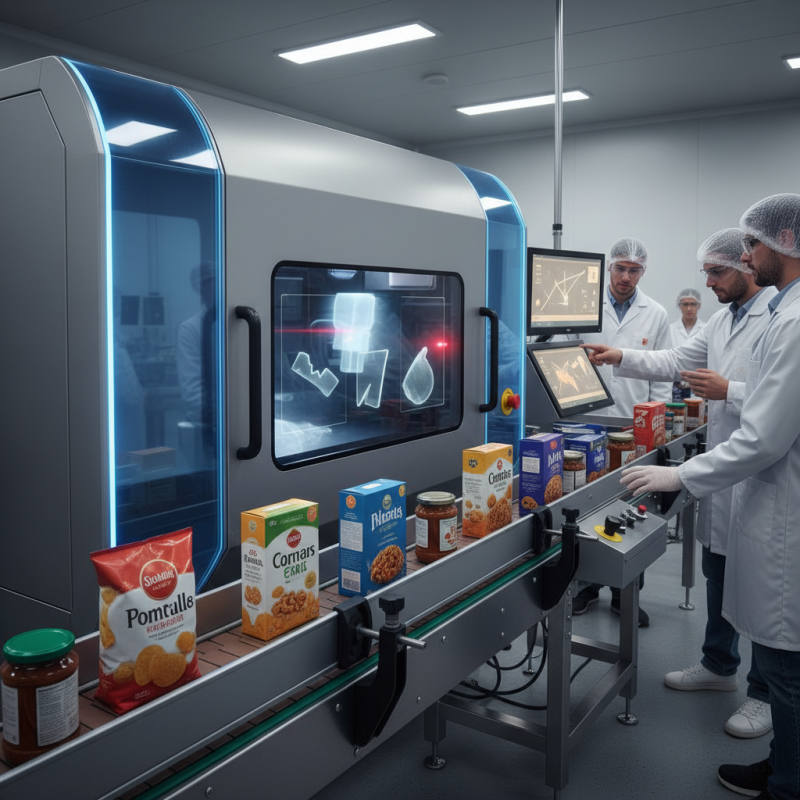
Understanding X-Ray Technology and Its Role in Food Safety
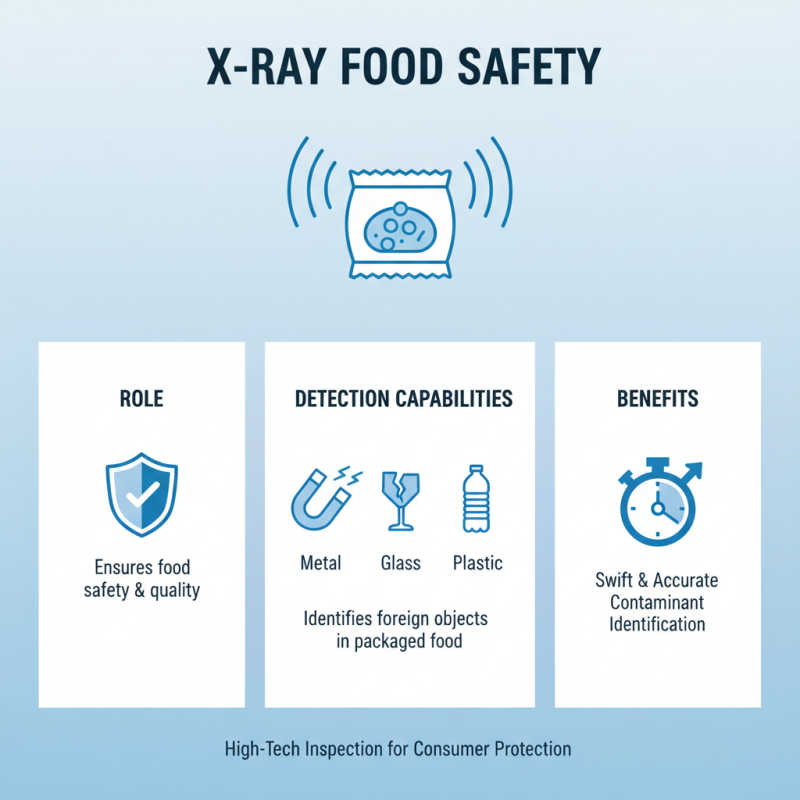
X-ray technology plays a crucial role in ensuring food safety. It helps detect foreign objects in packaged food, such as metal, glass, and plastic. This inspection method is effective in maintaining high-quality standards. By using X-ray systems, food manufacturers can swiftly and accurately identify contaminants.
Tips for implementing X-ray technology include understanding the types of products best suited for inspection. Different foods require different levels of sensitivity in detection. For example, solid items may pose fewer challenges compared to products like loose grains or powders. Regular maintenance of X-ray machines is also essential. A poorly functioning machine might miss critical contaminants, impacting safety.
Another key aspect is staff training. Workers must know how to operate X-ray systems properly. A lack of knowledge can lead to oversights, risking consumer safety. Regular reviews of the inspection process are vital. Continuous improvement helps address challenges and adapt to new food processing methods. Effective communication within teams can enhance response times to detected issues. These strategies can solidify X-ray technology's role in food safety.
Types of X-Ray Systems Used in the Food Industry
X-ray technology in the food industry plays a crucial role in quality assurance. Different types of X-ray systems are used to ensure food safety and compliance. One common type is the inline X-ray system. This system integrates with production lines and scans products as they move through. It detects foreign objects like metal or glass. The quick scanning allows for immediate feedback.
Another type is the X-ray inspection system. This system is often used for final product checks. It can detect contaminants, density variations, and even verify correct packaging. These inspections help in maintaining high quality. However, the systems can produce false positives. Sometimes, they identify harmless items as contaminants, leading to unintentional waste.
Some facilities use portable X-ray systems. These offer flexibility and can be moved where needed. Despite their benefits, they require careful operation and regular calibration. Users may overlook maintenance, risking accuracy. Each X-ray system has its strengths and challenges. Awareness of these can lead to better implementation in food safety practices.
Applications of X-Ray Technology for Quality Control in Food Products
X-ray technology plays a vital role in the food industry. Its applications for quality control are noteworthy. This technology can detect foreign objects in food products, such as glass or metal shards. It helps ensure consumer safety and product integrity. By using X-rays, companies can reduce the risk of contamination.
Another application is assessing product consistency. X-ray imaging can reveal the internal structure of food items. For example, it can identify missing ingredients in a packaged product. This ensures that customers receive exactly what they expect. However, reliance on X-ray technology can lead to oversight. Not all issues may be visible through imaging.
Implementing X-ray systems requires careful consideration. It's important to calibrate machines regularly. Otherwise, accuracy may wane over time. Staff training is also crucial, as proper use maximizes benefits. Reflecting on these factors can help improve quality control processes. Companies must strive for a balance between technology and human oversight.
2026 How to Use X Ray Technology in the Food Industry? - Applications of X-Ray Technology for Quality Control in Food Products
| Application Area | Description | Benefits |
|---|---|---|
| Quality Control | X-ray technology detects contaminants in food products such as metals, glass, and stones. | Improves safety and prevents product recalls. |
| Package Integrity | Checks for damaged or compromised packaging that could lead to spoilage. | Ensures product freshness and extends shelf life. |
| Product Consistency | Verifies the uniformity and consistency of food products during production. | Increases customer satisfaction and maintains brand integrity. |
| Ingredient Verification | Ensures accurate ingredient composition by analyzing the internal structure of food items. | Prevents adulteration and ensures compliance with food regulations. |
| Foreign Body Detection | Identifies foreign objects in processed foods that may pose a risk. | Enhances food safety and protects consumers. |
Benefits of Implementing X-Ray Inspection in Food Processing
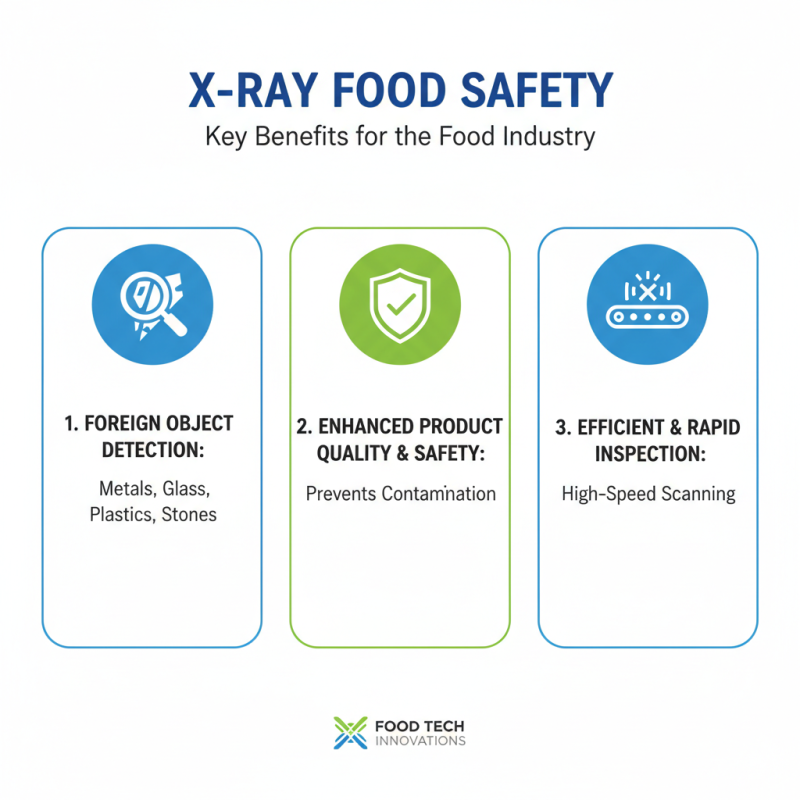
X-ray technology is gaining traction in the food industry. Its use in food processing offers several key benefits. First, it efficiently detects foreign objects in food products. This is crucial for ensuring safety and quality. Small metal shards or glass fragments can be harmful. X-ray inspection helps identify these contaminants quickly.
In addition to safety, X-ray technology can enhance product quality. It allows for detailed analysis of food items. For example, it can identify inconsistencies in packaging. This ensures that all products meet specific standards. However, it is essential to regularly calibrate the X-ray systems. Malfunctions can lead to false readings, potentially putting consumers at risk.
Another area for improvement is the training of staff. Proper training is necessary for effective use of X-ray equipment. Some employees may need more experience in interpreting the results. Investing in ongoing education can prevent mistakes. Overall, while there are challenges, the benefits of X-ray technology in food processing far outweigh the disadvantages.
Challenges and Future Trends of X-Ray Technology in Food Safety
X-ray technology has made significant strides in the food industry. However, challenges abound. One major issue is the variability in food products. Different densities and compositions can affect the effectiveness of X-ray inspection. It means not every product is scanned equally. This inconsistency can result in false negatives or missed contaminants. Regular calibration of machines is essential to minimize these errors.
Another challenge is the ongoing need for trained personnel. Operators must understand both the technology and the food safety regulations. Training programs must evolve as technology changes. Maintaining this knowledge becomes crucial. Not having expert operators could lead to serious oversights.
**Tips:** Regularly review training protocols. Keep the team updated on new developments. Establish a clear communication channel for reporting issues. This can foster a culture of safety and attentiveness, crucial in food safety.
Future trends point towards more sophisticated algorithms and enhanced imaging techniques. These innovations will likely improve accuracy. Yet, they will also require greater investment and adaptation. The industry needs to balance technology with practical application. Being open to change is vital to tackle these challenges effectively.
2026 Food Safety Detection Techniques Comparing Effectiveness
This chart illustrates the effectiveness percentage of various food safety detection techniques. X-Ray inspection leads with a 90% effectiveness in detecting foreign objects, significantly outperforming traditional methods and other alternatives.
Related Posts
-
2025 How to Utilize Xray Inspection Technology for Enhanced Quality Control in Manufacturing
-
How X Ray Technology Is Revolutionizing the Food Industry?
-
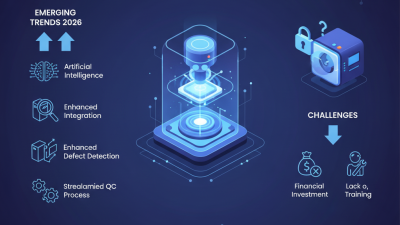
2026 Top Trends in X Ray Inspection Machines for Enhanced Quality Control?
-
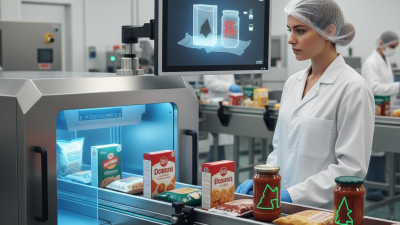
What is Food Xray Technology and How Does It Work?
-
How to Use X-Ray Technology in the Food Industry for Enhanced Safety and Quality
-
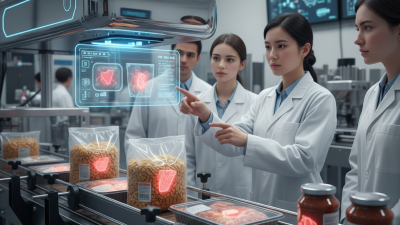
2026 Best X Ray Technology Innovations in the Food Industry?