2026 How to Use X Ray Technology in the Food Industry for Safety?
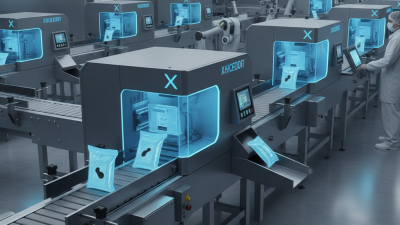
The food industry faces numerous safety challenges. Contaminants can enter food products at any stage. Ensuring safety is crucial for consumer trust and health. One innovative solution is x-ray technology. This technology has advanced significantly and is now widely used in the x-ray food industry.
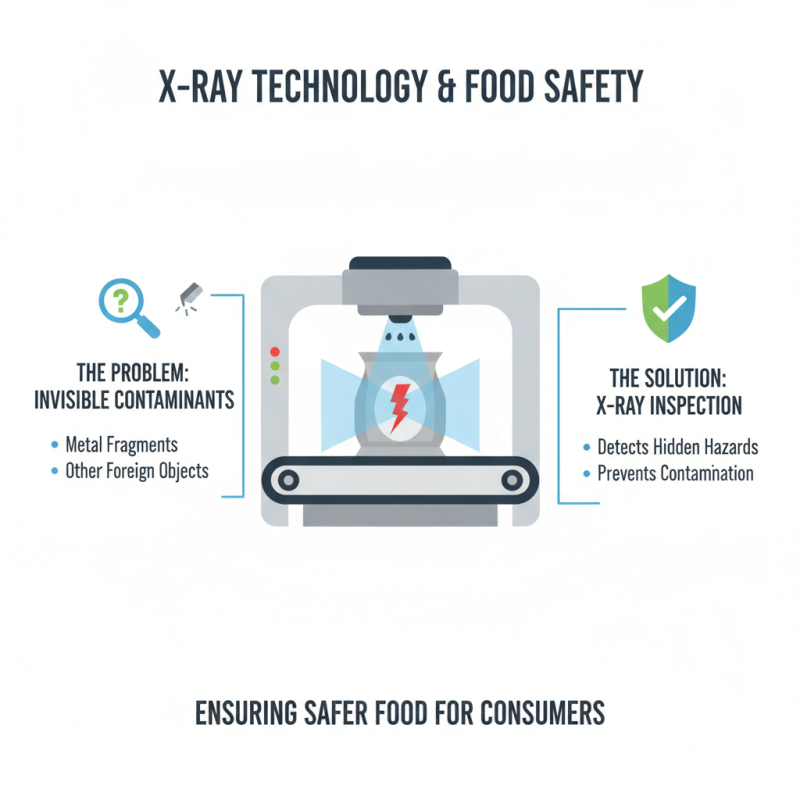
X-ray systems can detect foreign objects in food. This includes metal, glass, and plastic. These contaminants can cause serious harm if consumed. X-ray technology improves food safety by identifying these threats before products reach the market. It minimizes risks while maintaining quality.
However, integrating x-ray technology is not without its challenges. Training staff to use these systems effectively is essential. The costs of installation may be high, but the benefits often outweigh the expenses. Food manufacturers must reflect on these aspects. Embracing x-ray technology requires careful planning to ensure buyer confidence and safety.
How X-Ray Technology Enhances Food Safety Standards in 2026
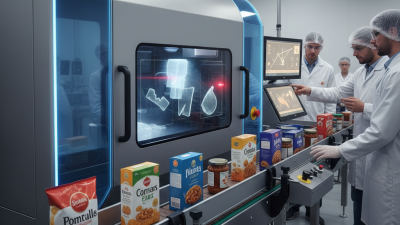
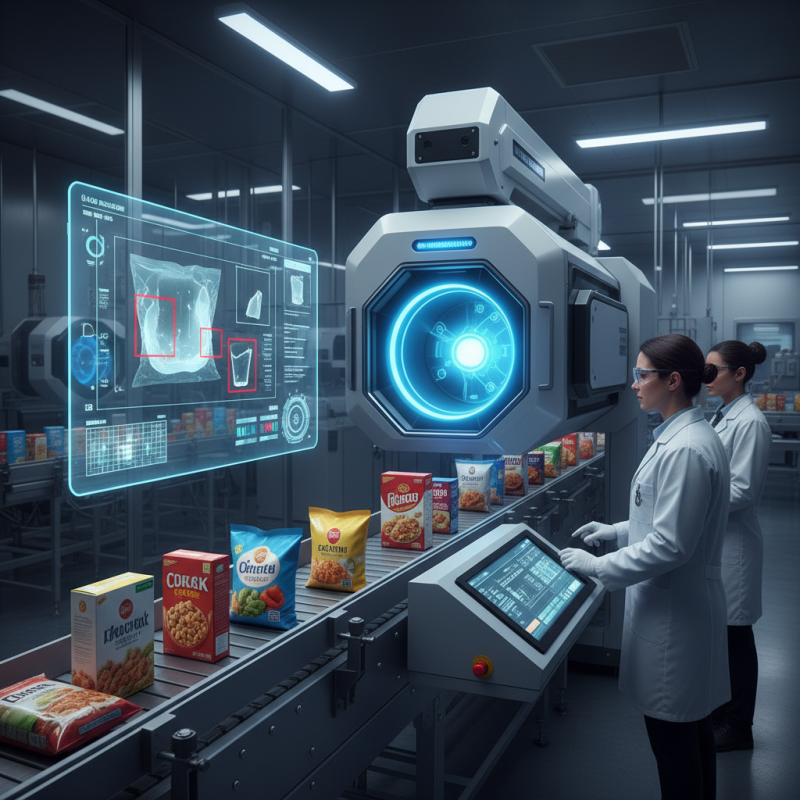
X-ray technology is transforming food safety standards in 2026. This advanced method offers a powerful way to detect contaminants in food products. With X-ray inspection, manufacturers can identify foreign objects such as metal, glass, or plastic. This technology enhances quality control on production lines significantly.
Implementing X-ray systems in food processing plants presents unique challenges. It requires proper training for staff to effectively utilize the equipment. Regular calibration is critical to ensure accuracy. Consider investing in ongoing education to keep the team updated on new advancements.
Tips: Always set up a routine maintenance schedule for the X-ray machines. It helps avoid unexpected breakdowns. Encourage staff to report any anomalies without hesitation. A culture of transparency promotes overall safety. Lastly, continually assess the technology's effectiveness. Improvement is a continuous journey.
Industry Statistics on Food Contamination: The Role of X-Ray Technology
Food safety remains a critical concern across the globe. According to a recent report, over 600 million people fall ill from contaminated food each year. This staggering figure highlights the urgency for effective safety measures. One such measure is the implementation of X-ray technology.
X-ray systems can detect foreign objects in food products, significantly reducing contamination risks. Reports indicate that using X-rays can enhance detection rates by up to 99%, especially for smaller contaminants. This is vital for industries that handle products like poultry and nuts, where foreign materials can easily go unnoticed. Yet, the adoption of this technology isn't without challenges.
A recent survey revealed that only 25% of food manufacturers currently utilize X-ray technology. Cost and equipment maintenance are common hurdles. Many smaller producers may find the investment daunting. However, the long-term benefits, including enhanced consumer trust and reduced recall incidents, can't be ignored. Moving forward, the industry must address these obstacles to fully leverage X-ray technology's capabilities.
Best Practices for Implementing X-Ray Systems in Food Processing Facilities
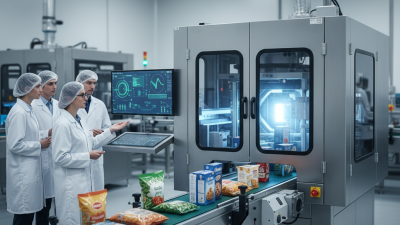
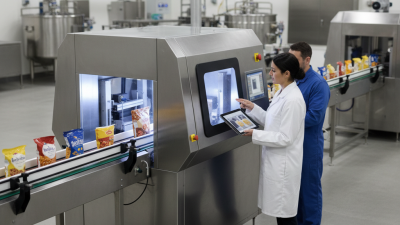
Implementing X-ray systems in food processing facilities can greatly enhance safety. These systems help detect foreign objects, contaminants, and ensure product integrity. When adopting this technology, staff training is crucial. Employees must understand how to operate the machines effectively. Regular maintenance is also necessary to keep the equipment functioning optimally.
Choosing the right location for X-ray machines is vital. Placement should facilitate easy access while minimizing interference with other operations. It's essential to consider the workflow and layout of the facility. Testing and calibration must be routine. Overlooking these steps can lead to undetected issues, potentially compromising food safety.
Monitoring outcomes after implementation is important. Gathering data helps in identifying patterns of contamination. This process should be continuous, allowing for adaptation over time. Reflecting on what works and what doesn’t can uncover new safety strategies. X-ray technology isn’t foolproof; regular assessments can help mitigate risks.
Implementation of X-Ray Technology in the Food Industry for Safety
Future Trends: Innovations in X-Ray Technology for Enhanced Food Safety
The food industry is constantly evolving, and X-ray technology is paving the way for enhanced safety measures. Recent studies indicate that X-ray systems can detect foreign objects more effectively than traditional methods. Reports show that these systems can identify contaminants like metal, glass, and even some plastics. This capability reduces the risk of food contamination and improves consumer trust.
Innovations in X-ray technology are making it more adaptable and efficient. Advanced imaging techniques, such as dual-energy X-ray systems, help in distinguishing between different materials. These systems can analyze food products at high speeds, processing over 1,000 items per minute. However, it's vital to acknowledge the limitations. Not all foreign objects can be easily detected, and false positives can lead to unnecessary product recalls.
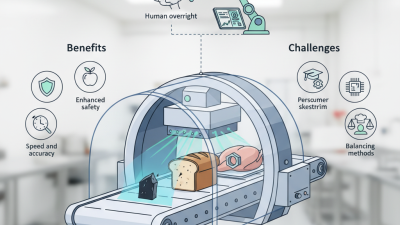
Emerging trends suggest the integration of AI with X-ray technology. Machine learning can enhance accuracy in identifying potential hazards. Yet, the industry must remain mindful of the technical challenges involved. Training personnel to handle sophisticated equipment is essential. Despite the potential, reliance on technology alone is not a complete solution. Balancing machine capabilities with human oversight is crucial for maintaining high safety standards.