BLOG

What is a Varpe Checkweigher and How Does It Work?

The Varpe checkweigher is a vital tool in the packaging industry. It ensures that products meet weight specifications. Accurate weight measurement is crucial for quality control and customer satisfaction.

A Varpe checkweigher operates by automatically weighing items on a production line. It can detect underweight or overweight products, helping manufacturers maintain standards. This process helps reduce waste and ensures compliance with regulations. However, relying solely on technology can sometimes lead to errors in judgment.

Every manufacturing facility should consider using a Varpe checkweigher. It enhances efficiency and improves overall operations. Yet, operators must always monitor performance closely. Regular calibration and maintenance are necessary to avoid mishaps. Understanding the nuances of this technology is essential for optimal results.
What is a Varpe Checkweigher and How Does It Work?

What is a Varpe Checkweigher?

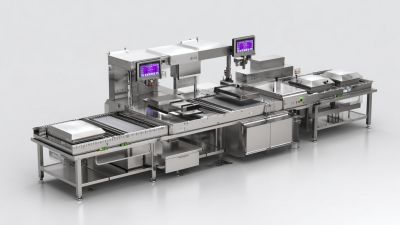
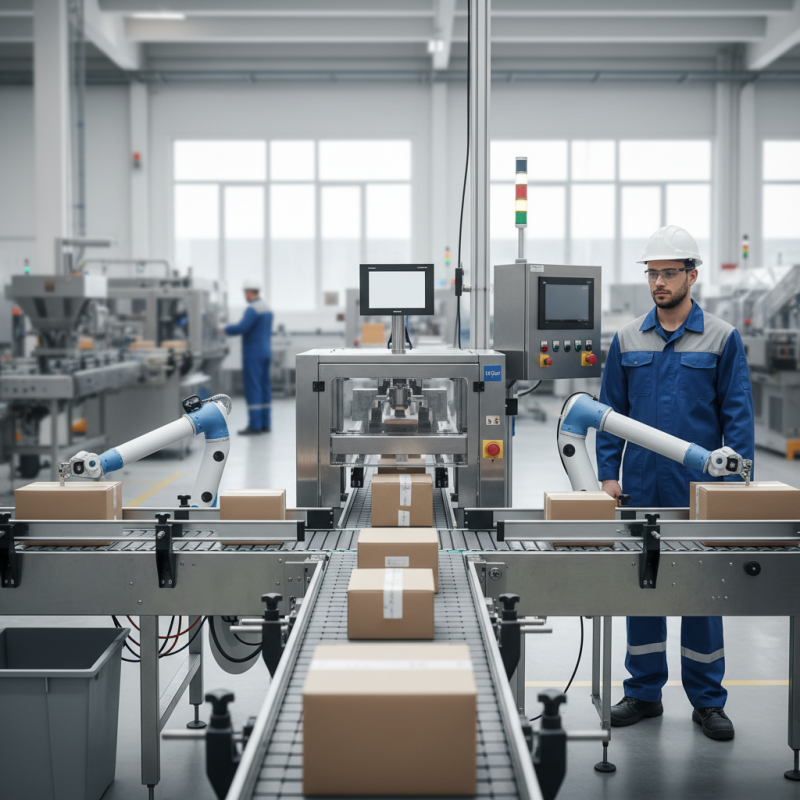
A Varpe checkweigher is an essential device in various industries. It ensures products meet weight specifications. This helps maintain quality and compliance. The checkweigher operates by analyzing items as they pass through. It measures weights quickly and accurately. Typically, these systems feature high-speed conveyor belts. They can weigh thousands of products per hour.

Accuracy is crucial. According to industry reports, checkweighers with an accuracy of 0.1 grams are common. Misweighed products can lead to significant financial losses. In fact, a single uncalibrated machine can cause a company to lose up to 5% of revenue annually. The efficiency of a Varpe checkweigher helps reduce human error. Yet, achieving perfect accuracy remains a challenge.

Regular maintenance and calibration are vital for optimal performance. Some users report difficulties in integrating these checkweighers with existing systems. Technical issues can arise unexpectedly, causing delays. Despite these obstacles, the benefits often outweigh the risks. Investing in high-quality weighing technology continues to be a priority in manufacturing. The payoffs include better compliance and improved customer satisfaction.
The Importance of Checkweighers in Packaging

Checkweighers play a vital role in the packaging industry. These machines ensure that products meet specific weight requirements. They help maintain quality control during production. This process is crucial for customer satisfaction. If products are underweight or overweight, it can lead to issues. Customers may receive less than what they paid for, or companies may face penalties.

Using a checkweigher in packaging can reduce waste. When a package is the correct weight, resources are used more efficiently. Yet, not all checkweighers are perfect. Some may have calibration issues or fail to detect slight variances. Regular checks and maintenance are essential for optimal performance. Staff training on these machines can also be overlooked, which can lead to errors.

Packaging that doesn't meet weight specifications can damage a company's reputation. This is where checkweighers make a significant impact. They ensure compliance with regulations and client expectations. Still, reliance on machines can create complacency. Human oversight is necessary to catch potential errors. Balancing technology and human input is key to effective packaging.

How Varpe Checkweigher Technology Works

What is a Varpe Checkweigher and How Does It Work?

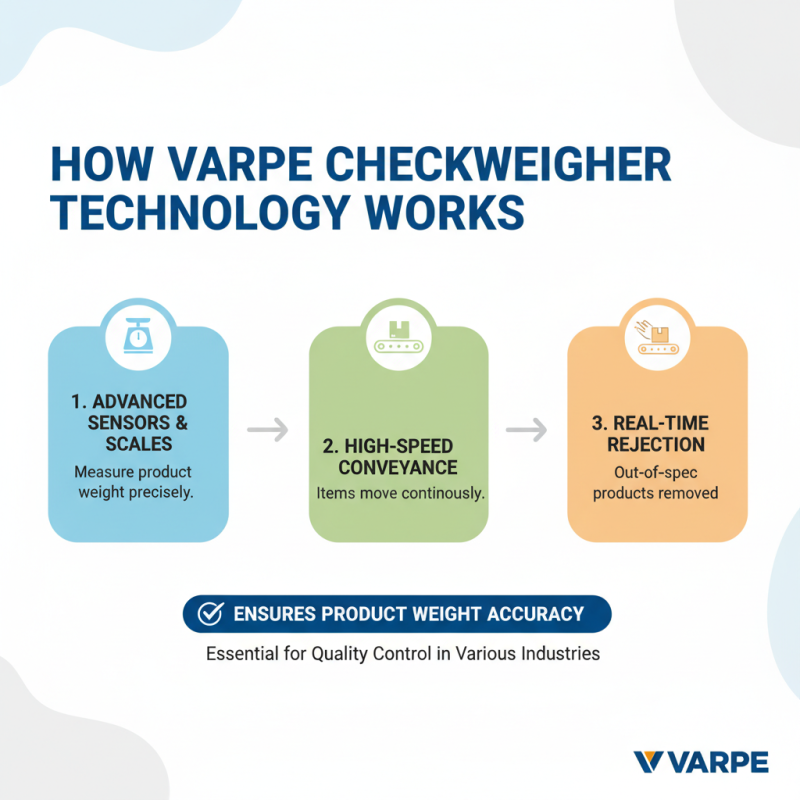
A Varpe checkweigher is an essential tool in various industries. It helps to ensure that products meet weight specifications. The technology behind these checkweighers is fascinating and highly precise. They use advanced sensors and scales to measure items as they pass through.

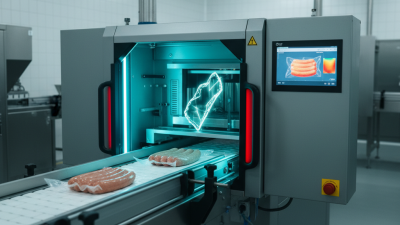
The process is quite straightforward. Products move along a conveyor belt and reach the checkweigher. Once there, the weight is measured quickly. If an item exceeds or falls short of the set weight, an alert is triggered. This ensures that defective items do not reach customers. Details like speed and accuracy are key. A well-calibrated checkweigher minimizes errors significantly.

**Tip:** Regular maintenance checks can reduce the risk of mistakes. Ensure that all components are functioning well to avoid delays.

Operators should be trained to understand the system. Sometimes, the calibration might be off due to external factors. Dust or vibrations can affect measurements. Monitoring these elements can enhance machine reliability.

**Tip:** Keep a log of all adjustments and calibrations. This will help in tracking performance over time and making informed decisions. Adjustments often reveal areas for improvement.

Key Features of Varpe Checkweighers

Varpe checkweighers are essential for ensuring product quality in various industries. These machines weigh items on a conveyor belt to confirm they meet set weight standards. If an item is under or over the desired weight, the system can reject it automatically. This is crucial for maintaining consistency in production.

Key features of Varpe checkweighers include high-speed operation and accuracy. They can process several items in a minute. The interface is often user-friendly, allowing operators to adjust settings easily. Some models come with advanced software. This software can analyze data and track performance over time.

However, issues can arise. Sometimes, the calibration may drift, leading to weight inaccuracies. Regular maintenance is required to ensure peak performance. Operators must remain vigilant and check for potential errors. Small discrepancies can lead to product loss and increased costs. It’s important to keep an eye on these systems and adapt when necessary.

Applications of Varpe Checkweighers in Various Industries

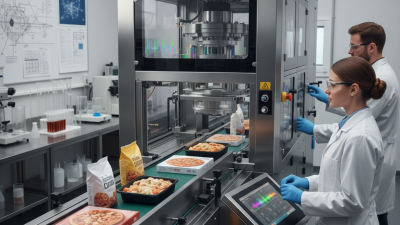
Varpe checkweighers are essential tools in various industries, playing a critical role in quality assurance. In food production, these machines help ensure packaging weights meet regulatory standards. According to a report by the International Food Safety Institute, over 40% of food manufacturers have faced fines for incorrect labeling. A checkweigher can significantly reduce this risk, saving companies from potential losses.

In the pharmaceutical sector, precision is paramount. A study by PharmaPack Insights indicates that 30% of pharmaceutical recalls are due to weight issues. Varpe checkweighers provide fast and reliable accuracy. They help maintain compliance with industry regulations, ensuring that every product meets specified doses. This not only protects consumers but also boosts brand credibility.

In the packaging industry, a checkweigher can improve efficiency. With a reported increase in production line speed by 20%, businesses can enhance throughput. However, relying solely on these machines can lead to complacency. Regular assessments and adjustments are necessary to maintain optimal performance. This balance between technology and human oversight is crucial for long-term success.

What is a Varpe Checkweigher and How Does It Work? - Applications of Varpe Checkweighers in Various Industries

Industry Applications Benefits Typical Weight Range
Food and Beverage Packaging, quality control, compliance Increased accuracy, reduced waste 10g - 5kg
Pharmaceutical Dosage checks, bottling Enhanced precision, regulatory compliance 1mg - 100g
Cosmetics Filling, packaging Consistency in product weight 5g - 1kg
Manufacturing Component verification, assembly lines Reduced production errors, cost efficiency 100g - 10kg
Logistics Shipping, inventory control Enhanced inventory accuracy 1kg - 50kg