What is X Ray Food Inspection Systems and How Do They Work?
X-ray food inspection systems play a vital role in ensuring food safety. These advanced technologies are widely used in food production and processing industries. They help detect foreign objects and contaminants in packaged foods. This is crucial for maintaining public health and preventing foodborne illnesses.
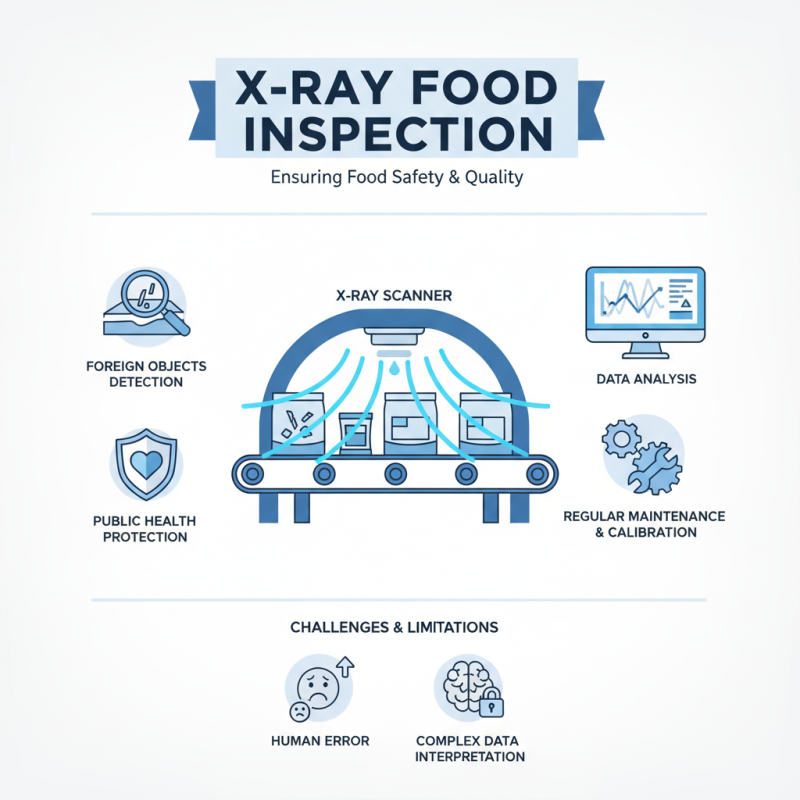
The operation of X-ray food inspection systems relies on high-energy radiation. This radiation effectively penetrates packaging materials. It reveals dense objects, such as metal, glass, or plastic, hidden within food products. Many companies rely on these systems to meet strict safety standards. However, challenges remain. Some users struggle to interpret complex data from these systems.
Despite their effectiveness, X-ray food inspection systems are not foolproof. Human error can lead to misinterpretation of results. Regular maintenance and calibration are essential to ensure accuracy. As technology evolves, understanding its limitations is vital for industry professionals. Continuous education and training are important to maximize the benefits of these systems.
What are X Ray Food Inspection Systems?
X-ray food inspection systems are vital tools in the food industry. They use advanced imaging technology to detect foreign objects in food products. These systems can identify contaminants such as metal, glass, and plastic, ensuring food safety. According to the Food and Drug Administration (FDA), about 48 million people in the U.S. get sick from contaminated food each year. X-ray systems help reduce these incidents.
Most modern X-ray food inspection systems operate by passing food products through a high-energy X-ray beam. The beam interacts with different materials, producing an image that highlights any anomalies. Studies indicate that these systems can detect objects as small as 0.5 mm in size, which is crucial for maintaining quality control. However, the effectiveness of an X-ray inspection system depends on several factors, including the product's shape, density, and packaging.
Despite their advantages, there are limitations. Not all contaminants are detectable by X-ray systems, particularly dense materials. Moreover, false positives can occur, leading to unnecessary product recalls. Implementing these systems requires proper training for operators to interpret results accurately. Ultimately, the goal is to enhance food safety, but there's always room for improvement in technology and processes.
What is X Ray Food Inspection Systems and How Do They Work?
| Feature |
Description |
| Technology |
Utilizes X-ray imaging to detect foreign objects in food products. |
| Detections Capabilities |
Can identify metal, glass, plastic, and other contaminants. |
| Application |
Used in various industries including meat processing, dairy, and packaged food. |
| Benefits |
Increases food safety and compliance with regulations. |
| Limitations |
High initial cost and requires regular maintenance. |
| Working Principle |
Food items are passed through an X-ray beam that captures images for analysis. |
| Regulatory Compliance |
Helps businesses meet FDA and other food safety standards. |
The Basic Principles of X Ray Technology in Food Inspection
X-ray food inspection systems use advanced technology to ensure food safety. These systems work by passing X-ray radiation through packaged food items. The radiation interacts with the materials in the food, creating a detailed image that highlights various contents. This method can detect foreign objects, such as metal, glass, and plastic, within the product. It is crucial in preventing food contamination.
X-ray technology adheres to the principles of radiographic inspection. A common measure of performance is the detection sensitivity, which can reach up to 0.3 mm for certain contaminants. According to industry reports, over 70% of food manufacturers are now adopting X-ray technology for enhanced safety and quality control. This shift is driven by increased regulatory requirements and consumer demand for safer products.
Tips: Regular calibration of X-ray equipment improves detection accuracy. Staff training is essential for minimizing human error during inspection. However, factors like product density and packaging may interfere with detection. Continuous research and advancements are needed to address these challenges and further improve efficacy in the field.
Components of an X Ray Food Inspection System
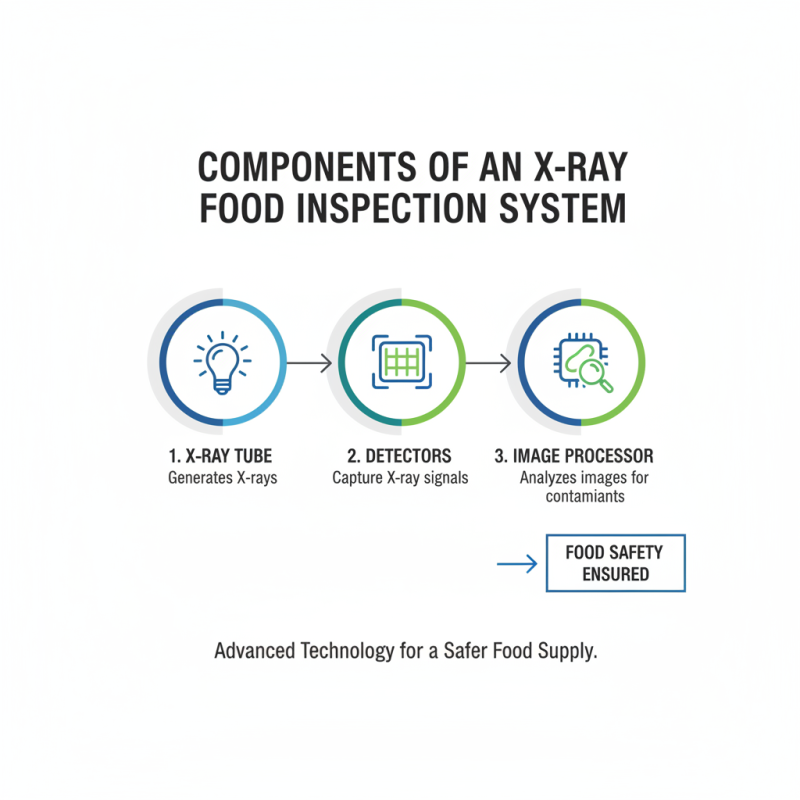
X-ray food inspection systems play a critical role in ensuring food safety. These systems use advanced technology to examine food products for contaminants. A typical X-ray inspection system consists of several key components, including an X-ray tube, detectors, and an image processor.
The X-ray tube generates radiation that penetrates the food. As the food moves through the system, the X-rays pass through it and are absorbed differently by various materials. Detectors capture the X-rays and convert them into images. This helps identify foreign objects like metal, glass, or plastic. The image processor enhances these images and allows operators to analyze them effectively.
Tips: Regularly calibrate your X-ray system for optimal performance. This ensures accuracy in detecting contaminants. Additionally, consider investing in training for your staff. Proper training can enhance their ability to recognize potential threats in food products quickly. Unexpected issues may arise during inspections, so be ready to adapt your approach as needed. Continuous learning is essential in this evolving field.
It's important to acknowledge that no system is perfect. Occasionally, false positives may occur. It's crucial to review these cases carefully to improve accuracy. Regular maintenance of components helps minimize errors but does not eliminate them entirely. In conclusion, understanding the components and operations of X-ray food inspection systems is vital for maintaining food safety standards.
How X Ray Food Inspection Systems Ensure Food Safety
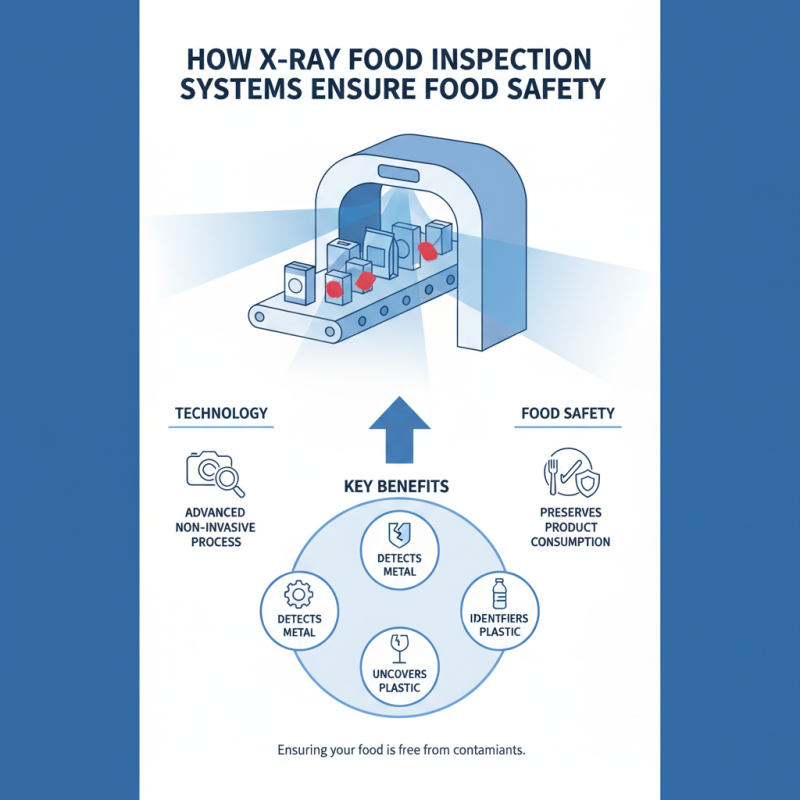
X-ray food inspection systems are vital for ensuring food safety. They utilize advanced imaging technology to detect contaminants in packaged foods. These systems can identify metal, glass, and plastic pieces that may accidentally enter food products. The process is non-invasive, preserving the product’s integrity while ensuring it is safe for consumption.
The reliability of X-ray inspection lies in its ability to provide detailed images for analysis. Trained experts interpret these images to spot abnormalities. This capability helps in early detection of potential hazards, protecting consumers and preventing costly recalls. However, there are challenges with overloading the system with too many products. This can lead to missed detections or false positives.
An important aspect of using these systems is the ongoing need for calibration and maintenance. Sensors must be regularly checked to ensure optimal performance. Furthermore, as product packaging evolves, inspection systems must adapt. Continuous improvement in technology is necessary to keep pace with these changes and enhance food safety protocols.
Applications and Benefits of X Ray Food Inspection in the Food Industry
X-ray food inspection systems have revolutionized the food industry. These systems provide a non-invasive way to ensure food safety. They detect foreign objects like metal, glass, and plastics in food products. This reduces the chance of contamination during processing and packaging.
The applications of X-ray technology in food inspection are extensive. Food manufacturers use it to check packaged goods before they hit the market. This helps in maintaining quality standards. Additionally, X-ray inspection can improve operational efficiency. It allows for faster processing times compared to manual inspections. However, not all companies fully utilize this technology. Some still rely on older methods that may not be as effective.
One significant benefit of X-ray inspection is consumer trust. When businesses prioritize safety, customers feel more confident in their purchases. They are more likely to return for repeat business. Yet, challenges remain. Maintaining the balance between efficiency and thoroughness in inspections is crucial. A system that processes too quickly may miss critical issues. Continuous training and adaptation are necessary for inspectors to stay current with technology advancements.
X-Ray Food Inspection Systems Overview
This chart illustrates the detection rates of X-ray food inspection systems across various food categories, demonstrating their effectiveness in ensuring food safety. The higher percentages indicate better detection capabilities, essential for quality control in the food industry.