What is an X Ray Machine for Food Processing Used For?
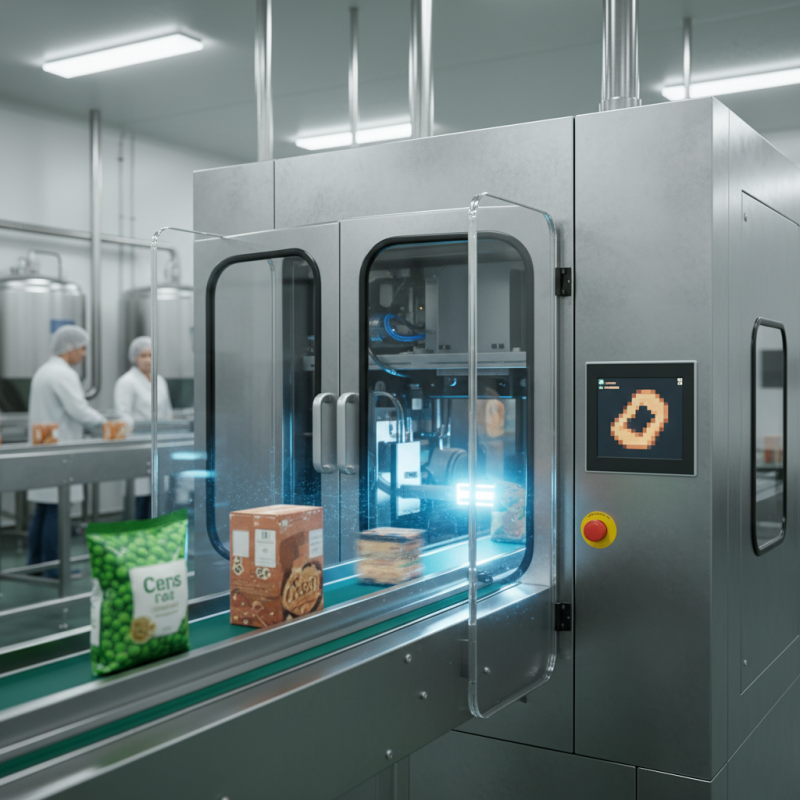
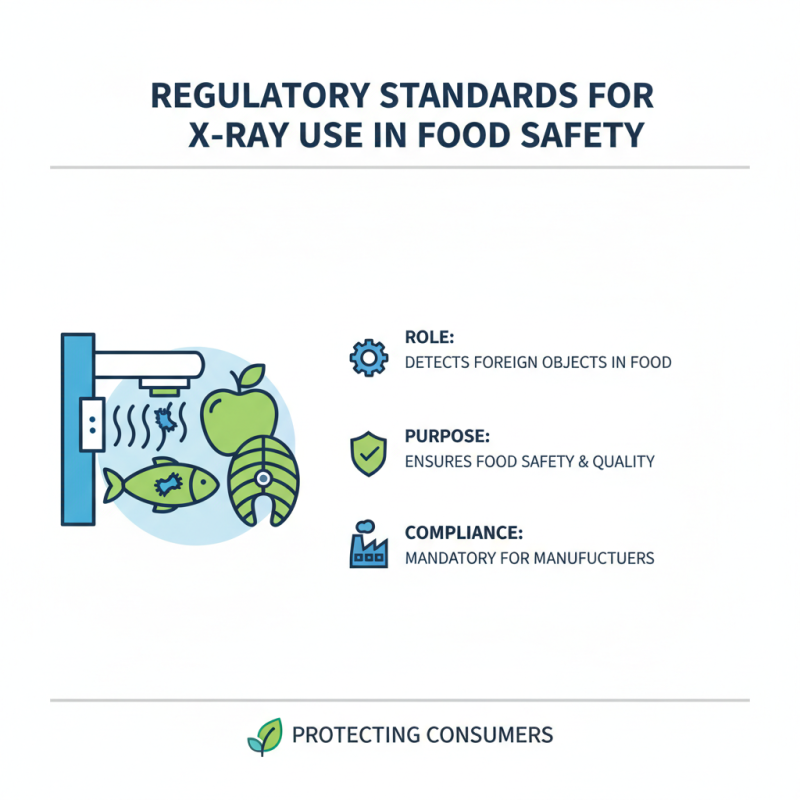
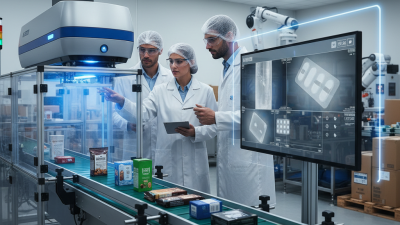
An X-ray machine for food processing plays a crucial role in ensuring food safety. This technology detects foreign objects and contaminants in food products. It significantly helps manufacturers adhere to strict regulations.
The use of X-ray technology can minimize risks. Efficient scanning not only improves the quality of food but also enhances consumer confidence. In recent years, food safety incidents have raised concerns among consumers. Thus, the need for reliable inspection methods, such as X-ray machines, has become paramount.
While X-ray machines for food processing are effective, challenges remain. Certain packaging materials might interfere with detection. Manufacturers must continuously refine their processes to ensure accuracy. Overall, the integration of X-ray technology in food processing reflects a commitment to safety and quality.
What is an X Ray Machine for Food Processing?
An X-ray machine for food processing is a powerful tool. It ensures
safety and
quality in food products. These machines can
detect foreign objects like metal, glass,
and plastic. This capability is crucial for avoiding contamination.
In a processing line, an X-ray machine provides real-time inspections. It scans products efficiently, helping to
uphold industry standards.
The technology behind these machines relies on X-ray imaging. The process uses low doses of radiation. This
method is non-destructive. It allows manufacturers to examine products without altering them. Such technology
minimizes waste and recalls, saving money and resources. However, there can be challenges too. The initial
investment in this equipment can be high. Training staff to operate
these machines effectively is also essential.
Companies strive for quality but must reflect on the limitations.
False positives can occur, leading to unnecessary rejections. Regular calibration and
maintenance are vital for accuracy. Understanding these factors can enhance reliability. Ultimately, an
X-ray machine can greatly improve food safety, but careful consideration is necessary.
The Functionality of X Ray Machines in Food Safety
X-ray machines play a crucial role in food safety. They detect contaminants in food products, such as metal fragments or glass shards. Reports suggest that around 1 in every 10,000 food items may contain foreign objects. This risk can lead to significant harm to consumers and liability for producers. The detection capability of X-ray technology is vital in preventing these incidents.
The functionality of X-ray machines goes beyond simple detection. They provide detailed images of food products, enabling manufacturers to assess quality and integrity. In a study, 95% of food manufacturers reported improved safety compliance after integrating X-ray technology. This technology can identify missing packaging, verify fill levels, and spot anomalies within products. It enhances the overall reliability of food safety protocols.
However, challenges remain. While X-ray machines are effective, they can miss certain contaminants, especially organic materials. Additionally, the initial investment for these systems can be significant. Some smaller businesses may struggle to implement such technologies. Continuous training and updates are essential to maximize their capabilities. The adoption of X-ray technology in food processing is a step towards a safer food supply chain, but it requires ongoing evaluation and adaptation.
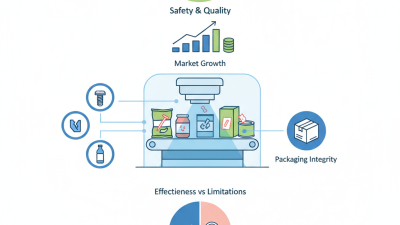
X-Ray Machine Effectiveness in Food Safety
Applications of X Ray Technology in Food Industry
X-ray technology plays a crucial role in food processing. It is widely used for detecting contaminants in food products, such as metal fragments or stones. In 2022, research indicated that over 45% of food companies reported using X-ray machines for quality control. This method helps ensure product safety and protects consumers from potential hazards.
Another vital application of X-ray machines is in the inspection of packaging. X-rays can assess the integrity of sealed packages to detect voids or leaks. A study published in the International Journal of Food Science highlighted that proper packaging inspection could reduce food spoilage by up to 30%.
Tip: Regularly calibrate and maintain X-ray machines for optimal performance. This helps avoid false negatives, which could lead to unsafe food entering the market.
The reliability of X-ray technology makes it indispensable. However, challenges still exist, such as operator training. Ensuring that staff accurately interpret X-ray images is paramount for effective contamination detection.
Tip: Invest in comprehensive training programs. Proper training increases the effectiveness of X-ray inspections and minimizes errors.
What is an X Ray Machine for Food Processing Used For? - Applications of X Ray Technology in Food Industry
| Application |
Description |
Benefits |
| Detecting Contaminants |
Identifies foreign objects such as metal, glass, and stones in food products. |
Enhances food safety and reduces the risk of consumer injuries. |
| Quality Control |
Ensures food products meet quality standards by inspecting packaging and integrity. |
Improves customer satisfaction and brand reputation. |
| Weight Verification |
Checks the weight of packaged food to ensure compliance with labeling regulations. |
Enhances product accuracy and avoids legal penalties. |
| Inspection of Bulk Products |
Non-destructive testing of bulk food items, ensuring no contaminants are present. |
Saves time and reduces waste during the inspection process. |
| Labeling Verification |
Confirms that the contents of the packaging align with the label claims. |
Promotes transparency and accountability in food labeling. |
Benefits of Using X Ray Machines in Food Processing
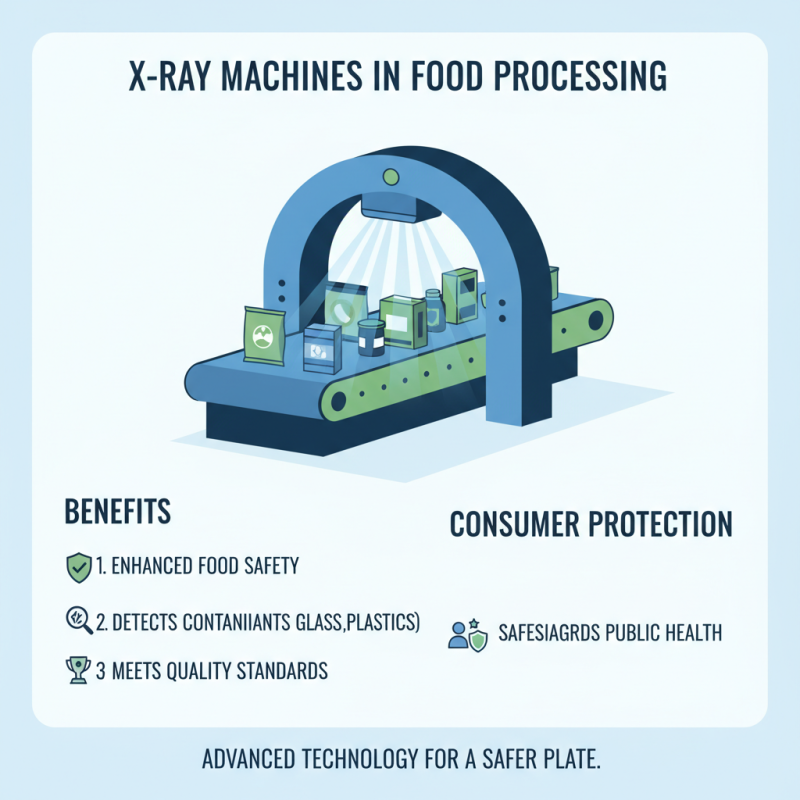
X-ray machines have a vital role in food processing. They help ensure food safety and quality by detecting contaminants. This technology can spot metal, glass, and plastics inside food products. By using X-ray machines, manufacturers can meet strict safety standards while protecting consumers.
Using X-ray systems comes with significant benefits. They enhance detection accuracy and reduce the risk of recalls. Contaminated food can lead to severe health issues. Implementing X-ray technology minimizes this risk, ensuring that only safe food reaches the market. Efficiency also improves, speeding up the inspection process.
Here are some tips for using X-ray machines effectively. Regular maintenance is crucial to keep the equipment working optimally. Staff training on machine operation is necessary for accurate results. Also, consider integrating X-ray technology with other inspection methods for comprehensive safety coverage. Always review inspection data to identify trends and improve processes.