How X Ray Technology is Revolutionizing the Food Industry?
The integration of X Ray technology in the food industry marks a pivotal shift in food safety and quality control. According to a recent report from the Food Safety Inspection Service (FSIS), the use of X Ray for food industry applications has led to a 30% reduction in food contamination cases over the past five years. This technology not only detects foreign objects but also enhances product integrity. Dr. Lisa Chen, a food safety expert, states, "X Ray inspection is becoming the gold standard for ensuring food safety."
Yet, the adoption of this technology is not without its challenges. Some food processing companies remain hesitant due to the perceived high costs of installation and maintenance. Critics argue that it requires careful calibration and operator training. Moreover, there are concerns regarding the potential for false positives, which can disrupt production lines. However, the benefits, including increased consumer trust and compliance with safety regulations, are significant.
As the food industry continues to evolve, X Ray technology will play a crucial role in addressing these concerns. The drive for innovation in food safety practices is essential, as consumers are demanding higher transparency. With its ability to provide instant detection and analysis, X Ray for food industry applications is not just an advancement—it's a necessity.
Overview of X-Ray Technology in Food Safety and Quality Control
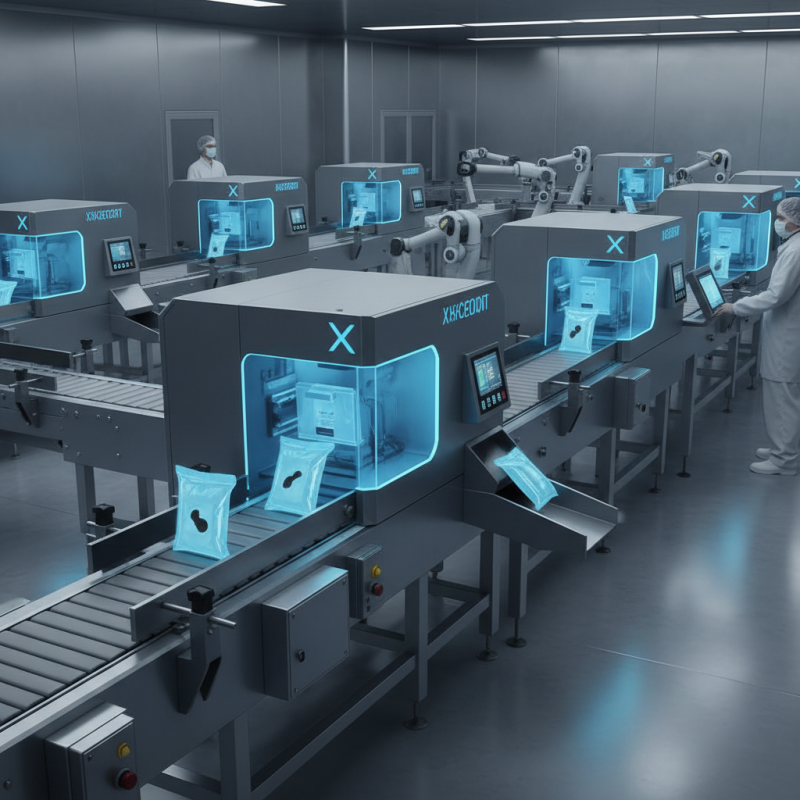
X-ray technology is making significant strides in food safety and quality control. This advanced method allows for non-destructive inspection of food products. It can detect foreign objects, like metal or glass, often missed by traditional methods. As a result, food manufacturers can enhance consumer safety and trust. However, the implementation of X-ray systems requires careful parameters to avoid potential overexposure.
In addition to safety, X-ray technology assesses the quality of food items. It can evaluate the consistency of density in products, helping to identify defects. For example, it can reveal hollow or underdeveloped fruits without damaging them. Yet, the technology isn’t without its challenges. Interpreting X-ray images requires specialized training, which can be a barrier for some companies. Moreover, there are ongoing debates about the cost-benefit analysis of adopting these systems. The food industry must weigh these factors to ensure X-ray technology serves its intended purpose effectively.
How X Ray Technology is Revolutionizing the Food Industry? - Overview of X-Ray Technology in Food Safety and Quality Control
| Aspect |
Description |
Benefits |
Applications |
| X-Ray Inspection |
Uses X-ray radiation to detect foreign objects in food products. |
Increases consumer safety by preventing contaminated products from reaching shelves. |
Packaged foods, bulk products, and assembly lines. |
| Quality Control |
Assesses the integrity of food products and packaging. |
Ensures consistency in food quality, reducing waste and recalls. |
Meat processing, dairy packaging, and snacks production. |
| Non-Destructive Testing |
Enables examination without damaging product integrity. |
Preserves product quality while ensuring safety compliance. |
Seafood inspection, fruit packing, and bakery goods. |
| Operational Efficiency |
Automates the detection process, reducing manual checks. |
Increases throughput and reduces labor costs. |
High-volume production lines in food factories. |
| Regulatory Compliance |
Helps meet safety standards set by health authorities. |
Minimizes risks associated with foodborne illnesses. |
Applicable across all food processing industries. |
Applications of X-Ray Technology in Food Inspection and Packaging
X-ray technology is changing the food industry significantly. It allows for deep inspections of products without damaging them. According to a recent industry report, nearly 20% of food recalls are linked to contaminants. This highlights the need for better inspection methods. X-ray systems can detect foreign objects like metal, glass, and plastics within packaged foods. By increasing detection rates, X-ray technology enhances food safety, especially in high-volume production environments.
In terms of packaging, X-ray inspection plays a crucial role. Packaging integrity is vital for preserving food quality. Data shows that improper sealing can lead to a 30% increase in spoilage rates. X-ray machines can identify weak seals and leaks during the packaging process. However, these systems are not infallible. Some small contaminants might still slip through. This demonstrates the importance of a multi-layered inspection approach.
Moreover, X-ray scans can provide valuable insights into product composition. They help verify portion sizes and detect unintentional mislabeling. While these benefits are considerable, implementing X-ray technology can be expensive and may require training for staff. Therefore, companies must weigh the investment against the potential drops in waste and recalls. This ongoing evaluation is essential as the technology continues to evolve.
Benefits of Using X-Ray Technology for Detecting Contaminants
X-ray technology is making waves in the food industry. Its primary role is to detect contaminants. This includes metal, glass, and plastic. Such contaminants pose health risks to consumers. Traditional inspection methods can be limited. X-rays provide more accurate results. They penetrate packaging, revealing hidden dangers.
The benefits are clear. X-ray systems can improve product safety. They assist in maintaining brand reputation. Inaccurate detection can still happen. Some contaminants may slip through. Moreover, equipment maintenance is crucial. Regular checks ensure effectiveness. Each scan takes just seconds, but human oversight can lead to errors.
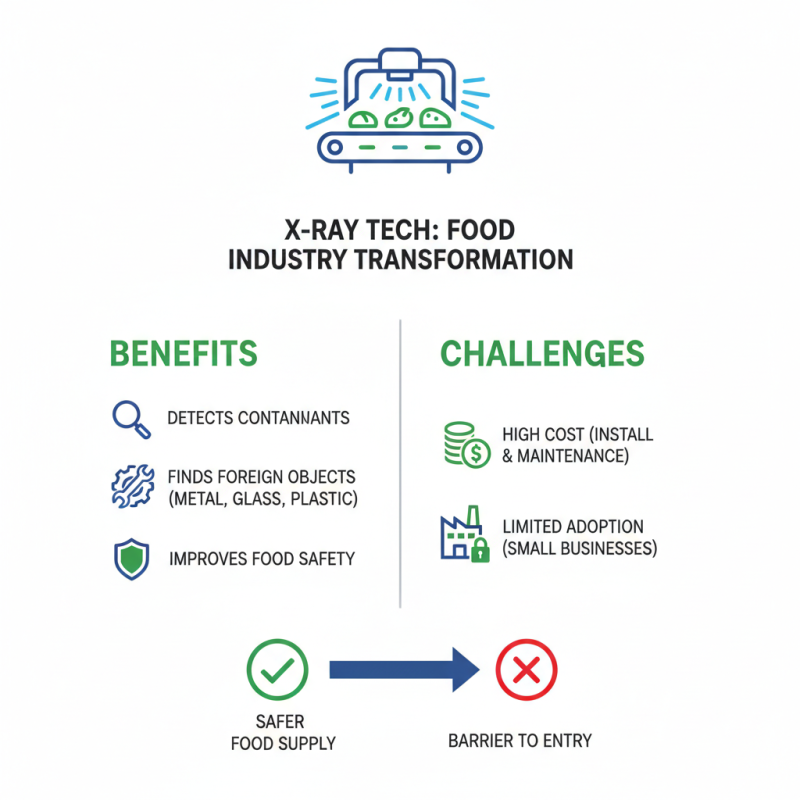
Implementing X-ray technology is not without challenges. High costs can deter smaller businesses. Training staff adds another layer of complexity. However, the potential for enhanced food safety is significant. It is vital for the industry to embrace this technology. The food we eat deserves the highest standards of safety.
Benefits of Using X-Ray Technology in the Food Industry
Challenges and Limitations of X-Ray Technology in the Food Industry
X-ray technology is changing the food industry in many profound ways. It can detect contaminants and foreign objects in food products. However, there are challenges to consider. For instance, X-ray machines can be costly to install and maintain. Smaller businesses may struggle with the financial investment required. This financial barrier can limit wider adoption.
Additionally, X-ray technology may not detect all types of contaminants. Certain materials can remain invisible under X-rays. This oversights can lead to safety risks. Operators must be trained properly, and even with training, human error can occur. An improperly calibrated machine could mean false negatives.
Furthermore, regulatory hurdles also pose significant challenges. Compliance with health and safety laws can vary widely. Some regions might lack clear guidelines for X-ray use in food safety. This inconsistency can create confusion for processors. Ultimately, while the advantages of X-ray technology are clear, these limitations require serious reflection and ongoing improvement.
Future Trends of X-Ray Technology in Food Processing and Safety
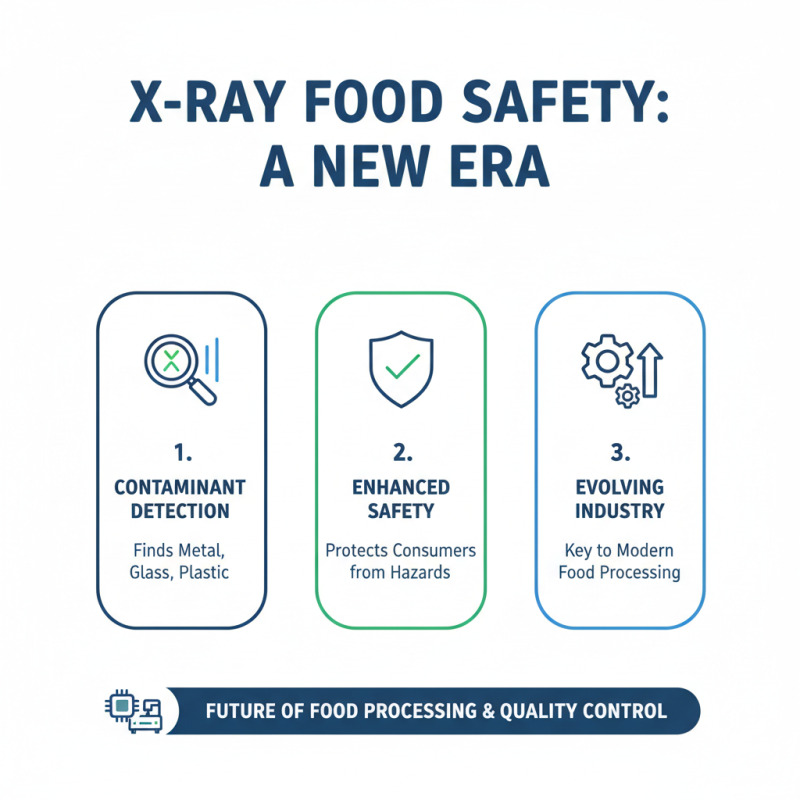
X-ray technology is changing food processing and safety. As the industry evolves, its role grows. One significant trend is its use in detecting contaminants. Food products often face threats from foreign objects. Traditional methods may miss these hazards. X-rays can identify metal, glass, and plastic inclusions effectively. This ensures a safer food supply.
Another trend is in quality control. X-rays can examine food products non-destructively. They help in assessing density and composition. This can lead to better product consistency. However, challenges remain. Not all foods are easily analyzed. Variations in packaging can pose issues. Continued research is needed to enhance accuracy.
Moreover, integrating X-ray technology with AI can revolutionize operations. Smart systems can analyze images quickly. They can improve detection rates significantly. However, there are concerns about data management and privacy. Companies must navigate these complexities carefully. Balancing innovation with safety will be crucial for future growth in the industry.