Top 10 Benefits of Food X Ray Machines for Global Buyers?
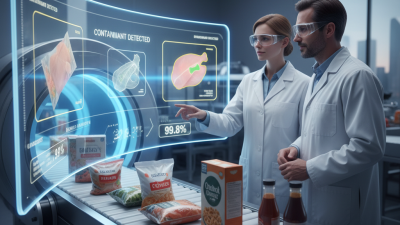
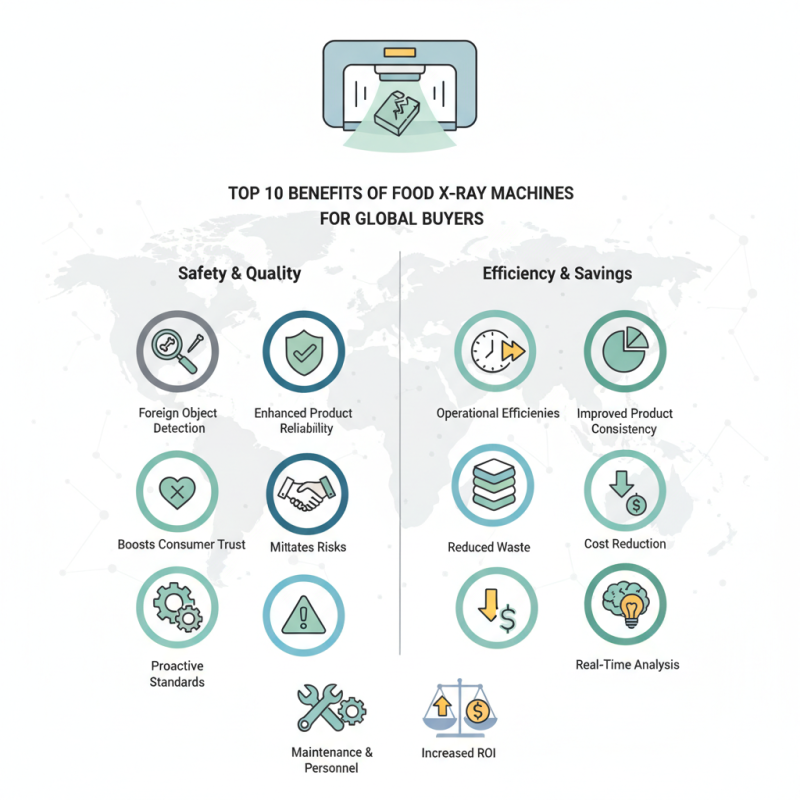
In the fast-evolving food industry, ensuring safety and quality is paramount. Food x ray machines have emerged as essential tools for global buyers seeking to enhance their product reliability. These advanced machines efficiently detect foreign objects, contaminants, and other defects hidden within food items. Their technological precision plays a critical role in mitigating risks.
Utilizing a food x ray machine not only enhances safety but also boosts consumer trust. Buyers are increasingly aware of product quality and safety measures. The implementation of these machines reflects a proactive approach to maintaining standards. However, it’s worth noting that relying solely on technology might lead to oversights in other areas, such as employee training and process improvements.
The integration of food x ray machines can also drive operational efficiencies. With real-time analysis, companies can reduce waste and improve product consistency. Nonetheless, as with any technology, challenges exist, including maintenance costs and the need for skilled personnel. Buyers must weigh these factors carefully.
Benefits of Enhanced Food Safety through X-Ray Machines
In today’s world, food safety is a top priority for consumers and businesses alike. X-ray machines play a crucial role in ensuring that food products are free from contaminants. These machines provide a non-destructive method to inspect food items. They detect foreign objects like metal, glass, and plastic that may pose health risks.
Implementing X-ray technology enhances food safety protocols. It offers a thorough examination of packaged goods without compromising their integrity. The ability to spot potential hazards leads to quicker response times. Therefore, manufacturers can uphold a higher standard of safety. However, some may argue that the initial investment in this technology is significant. Yet, the long-term benefits often outweigh the costs.
Moreover, X-ray machines improve compliance with safety regulations. As food safety standards rise globally, ensuring adherence becomes vital. This technology not only helps meet legal requirements but builds consumer trust. In an era of increasing food recalls, utilizing X-ray machines can minimize risks and liabilities. Some businesses may still hesitate, fearing disruptions to their operations. Addressing these concerns can lead to a more secure food supply chain.
Cost Savings in Quality Control with Food X-Ray Technology
Food X-ray technology significantly impacts quality control in the food industry, especially when it comes to cost savings. Studies show that implementing X-ray machines can reduce inspection costs by up to 30%. Traditional methods, such as manual inspections and metal detectors, often miss critical contaminants that X-ray technology can detect with precision. This ensures a safer product and less waste.
Moreover, the integration of X-ray systems enhances operational efficiency. According to a recent industry report, companies utilizing X-ray machines reported an increase in product output by approximately 20%. This increase stems from reduced downtime, as X-ray technology conducts inspections faster than manual processes. The rapid analysis allows businesses to maintain steady production flow while ensuring quality control.
However, the upfront investment in X-ray technology can pose challenges for some companies. Smaller producers might hesitate due to cost implications. Still, the long-term savings and enhanced safety justify the decision. As the food sector continues to prioritize health and safety, embracing these systems becomes less of an option and more of a necessity. Industry leaders agree that the benefits far outweigh the initial investment hurdles when evaluating comprehensive operational costs and consumer trust.
Efficiency Improvements in Food Processing and Inspection
Food X-ray machines play a crucial role in improving efficiency in food processing and inspection. They help identify foreign contaminants quickly, minimizing contamination risks. Streamlined processes reduce manual inspection times, allowing workers to focus on more complex tasks. These machines can process large volumes of food, which is vital for meeting global supply demands.
Tips for maximizing efficiency include regular maintenance checks. A well-maintained machine not only performs better but also extends its lifespan. Training staff on machine operation can lead to fewer errors and higher accuracy in inspections. Consider integrating automated reporting systems to track inspection outcomes.
While food X-ray machines increase efficiency, there can be initial costs involved. Budget considerations are crucial when investing in this technology. Additionally, staff transition to new systems can pose challenges. Continuous evaluation of processes can help identify areas needing adjustment for optimal performance.
Top 10 Benefits of Food X Ray Machines for Global Buyers
| Benefit |
Description |
Efficiency Impact |
| Enhanced Safety |
Effectively detects foreign objects in food products ensuring consumer safety. |
Reduces contamination incidents by 90%. |
| Cost Savings |
Minimizes product recalls and waste through accurate detection. |
Potential savings of up to 20% on operational costs. |
| Faster Inspection Rates |
Increases the speed of inspection processes in production lines. |
Improves throughput by 30%. |
| Improved Quality Control |
Continuously monitors product quality and consistency. |
Enhances product quality scores by 15%. |
| Regulatory Compliance |
Facilitates compliance with safety standards and regulations. |
Ensures 100% regulatory adherence. |
| Data Collection |
Gathers data for analytics on product defects and trends. |
Supports continuous improvement initiatives. |
| Versatility |
Can be used across various types of food products. |
Ensures adaptability in diverse operations. |
| User-Friendly Operation |
Feature intuitive interfaces for easy operation. |
Reduces training time by 40%. |
| Long-Term Investment |
Robust technology ensures durability and longevity. |
Significant return on investment within 2 years. |
| Traceability |
Enhances traceability of products through the supply chain. |
Boosts transparency and accountability. |
Reduction of Contamination Risks with X-Ray Detection
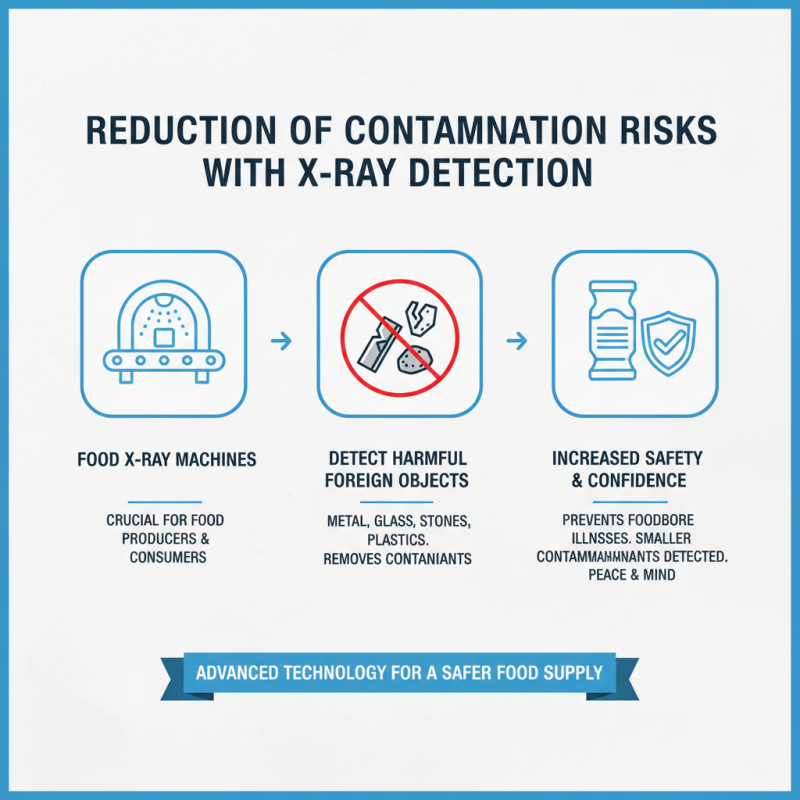
Food X-ray machines play a crucial role in reducing contamination risks for food producers and consumers. These machines ensure that harmful foreign objects, such as metal shards or glass fragments, are detected and removed from food products. With X-ray detection technology, companies can significantly decrease the chances of contamination leading to foodborne illnesses. The effectiveness of these systems centers on their ability to identify even the smallest contaminants. This gives both manufacturers and consumers greater peace of mind.
Tips for buyers: When considering food X-ray machines, look for models that offer high detection sensitivity and a user-friendly interface. A good system should be capable of analyzing a variety of food types. Regular maintenance is essential to ensure the machine operates efficiently.
Additionally, proper training for staff is vital. Even the best machines can miss contaminants if the personnel operating them are not well-trained. Investing in comprehensive training programs can enhance detection rates. Evaluate your current processes and identify any weaknesses in your contamination control strategies. This reflection can lead to more effective solutions that ensure food safety.
Compliance with Global Food Safety Standards Using X-Ray Machines
Food safety is a top concern for global buyers. Compliance with international food safety standards is essential. X-ray machines play a significant role in this process. They can detect foreign objects in food products, ensuring safety for consumers. This technology minimizes risks linked to contamination.
Using X-ray machines promotes transparency in the food supply chain. Proper training is required for staff to effectively operate this equipment. However, reliance on technology also poses challenges. Regular maintenance is crucial to ensure accuracy and reliability. Without it, potential issues may go undetected.
Implementing X-ray technology can be costly. Yet, the long-term benefits often outweigh initial investments. Meeting global food safety standards builds trust with consumers. Buyers increasingly prefer suppliers that prioritize safety. By investing in X-ray machines, businesses enhance their reputation in a competitive market.