How to Choose the Best X Ray Inspection Equipment for Your Needs?
Choosing the right X Ray inspection equipment is crucial for many industries. Dr. Emily Carter, a leading expert in non-destructive testing, emphasizes this: "Not all X Ray systems are created equal, and the right choice can save time and costs." The diversity in equipment means that each application demands specific features.
Various factors influence equipment selection. For instance, consider the type of materials being inspected. Different X Ray machines cater to various thicknesses and densities. Additionally, checking for regulatory compliance is essential. Many companies overlook this aspect, risking potential penalties.
Furthermore, the technology behind the equipment is ever-evolving. Some systems offer real-time analysis, while others focus on detailed imaging. Each option has its pros and cons. It's vital to reflect on how these traits align with your operational needs. The right X Ray inspection equipment can make a significant difference in efficiency and reliability.
Understanding the Basics of X-Ray Inspection Equipment
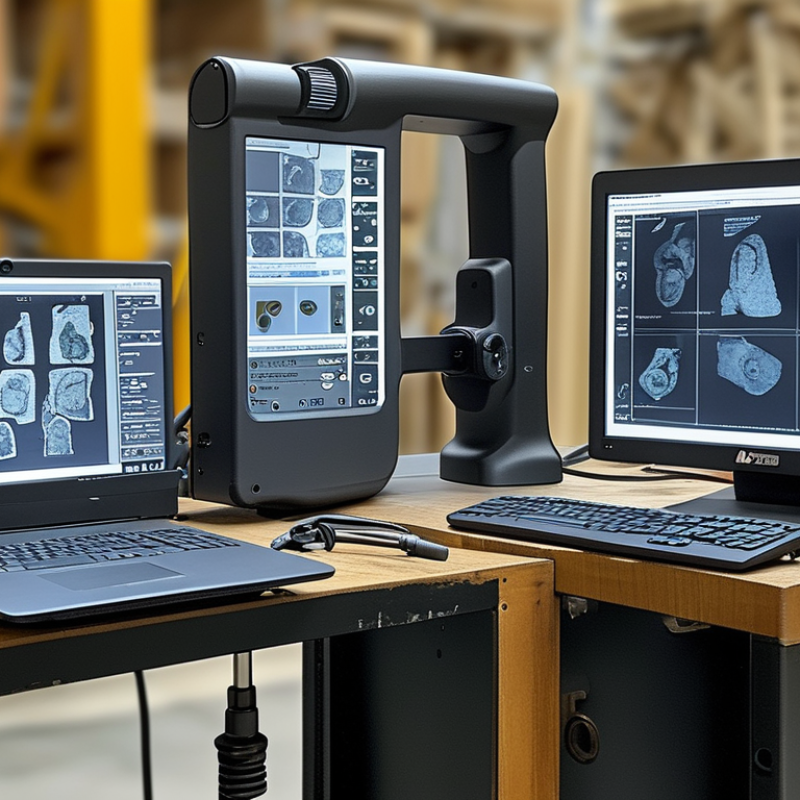
When selecting X-ray inspection equipment, it’s crucial to comprehend the essentials of how it functions.
X-ray inspection identifies materials and structures that may not be visible externally. The technology employs
ionizing radiation to penetrate objects, providing images based on density variations. According to a report by
the American Society for Nondestructive Testing, X-ray inspection is widely used in multiple industries,
including aerospace and manufacturing.
Acquiring reliable X-ray inspection equipment involves understanding the types available. Flat-panel
detectors are known for high resolution and fast imaging, while computed radiography systems offer
flexibility and workflow efficiency. The International Standards Organization indicates that the resolution can
significantly affect detection capacities. As a result, organizations must weigh the benefits of image quality
against their specific operational needs.
While advanced technology is impressive, it comes with challenges. Calibration and maintenance are often
required to ensure accuracy over time. Various reports emphasize that improper settings can lead to
misinterpretation of results. Therefore, investing in training for personnel is recommended. Balancing cost
and functionality remains a common dilemma for many. Their long-term operational goals must guide these
decisions.
Identifying Your Specific Inspection Needs and Requirements
Identifying your specific inspection needs is crucial when choosing the best X-ray inspection equipment. Different industries have various requirements. For instance, a food processing facility may seek equipment that detects foreign objects in products. On the other hand, a manufacturing plant may need machinery to inspect structural integrity. Understanding the nuances of your environment will shape your decision-making process.
Consider the size and type of items you will inspect. Larger items may require industrial-grade equipment, while smaller items can use portable alternatives. Think about the sensitivity of detection as well. Some applications need high precision, while others may have more tolerance. Don't forget about user-friendliness. If staff struggles to use the equipment, it can lead to errors. Reflect on existing challenges. Past experiences may reveal gaps in your current inspection process.
Evaluate the environment where the equipment will be used. Factors like temperature, humidity, and space can influence your choice. You might face trade-offs. For example, a more robust machine may take longer to analyze items. Is it worth it? Sometimes, the balance between speed and accuracy is delicate. Gather input from your team. They may offer insights you haven’t considered. Ultimately, the goal is to align the equipment with your unique inspection requirements for effective and reliable results.
Comparing Different Types of X-Ray Systems and Technologies
Choosing the right X-ray inspection equipment involves understanding various systems and technologies available in the market. For instance, traditional film-based X-ray systems are becoming less common. According to industry reports, the global digital X-ray market is projected to grow by 8.9% annually. Digital systems offer faster image acquisition and enhanced clarity. This shift is largely due to increased diagnostic capabilities and efficiency.
Computed Radiography (CR) and Direct Radiography (DR) are two primary digital modalities. CR utilizes a phosphor plate that transfers images to a digital format. It’s cost-effective and compatible with existing systems. However, CR typically has longer processing times compared to DR. On the other hand, DR captures images directly through digital detectors, providing immediate results. Consequently, DR is preferred for high-throughput environments.
In selecting the best X-ray system, consider factors like image quality, size, and budget. A comprehensive analysis of your specific application requirements is critical. While high-end systems promise superior performance, they may not always yield the best return on investment for smaller facilities. Observing industry trends and analyzing peer-reviewed studies can offer insights into performance expectations and operational efficiency.
Comparison of Different Types of X-Ray Inspection Systems
This chart compares the average resolution in micrometers (µm) of various X-ray inspection systems. Different types of X-ray systems offer varying levels of resolution, which can be critical in industries where precise inspection is necessary.
Evaluating Key Features and Specifications for Performance
When selecting X-ray inspection equipment, understanding key features is vital for optimal performance. The resolution of the imaging system plays a critical role in detecting defects. Reports suggest that higher resolution correlates with improved defect identification. For instance, systems with a resolution of 0.1 mm or better can significantly reduce false negatives in inspections.
Moreover, the detection sensitivity is another crucial factor. Equipment that boasts a sensitivity rate of 90% or more is likely to provide reliable results. Consideration should also be given to the speed of the analysis. Some advanced systems can process images in real-time, allowing for immediate evaluations, which is invaluable in high-production environments.
While advanced technology offers many benefits, it can also present challenges. Maintenance and calibration of these systems are essential but may require specialized training. Not all facilities have the necessary expertise. Balancing high-tech features with user accessibility often leads to reconsideration in equipment choice. It's essential to ensure that a solution is not only technologically advanced but also practical for daily operations.
Assessing Budget Constraints and Long-Term Value of Equipment
When selecting X-ray inspection equipment, understanding budget constraints is crucial. It's essential to assess initial costs as well as ongoing expenses. Equipment that seems affordable at first might require costly maintenance or upgrades later. Consider how often the equipment will be used. High-frequency usage may justify a larger initial investment.
Long-term value is critical. Investing in reliable equipment can save money over time. Look for machines with a proven track record. Research customer feedback and expert reviews. It's important to visually inspect equipment before purchasing. Ensure that it meets the necessary safety standards. Sometimes, older models offer good performance at a lower price.
Balancing budget and value can be daunting. Seek guidance from experts but also trust your instincts. Equipment that feels right may not always be the cheapest. A thoughtful approach can lead to better decision-making. Careful evaluation can prevent future regrets. Prioritize your specific needs and the equipment’s capabilities. This strategy will guide you toward a wise investment.
How to Choose the Best X Ray Inspection Equipment for Your Needs?
| Feature |
Description |
Budget Range |
Long-Term Value |
| Image Resolution |
Quality of the X-ray images produced, impacting defect detection. |
$10,000 - $50,000 |
Higher resolution typically leads to better defect identification. |
| Scanning Speed |
The rate at which the machine can scan and process images. |
$8,000 - $40,000 |
Increased speed can improve productivity and throughput. |
| Size and Portability |
Dimensions and weight, affecting ease of transport and setup. |
$5,000 - $30,000 |
Portability can enhance the flexibility of inspection locations. |
| User Interface |
Ease of use, software intuitiveness for operating the equipment. |
$2,000 - $15,000 |
A user-friendly interface can reduce training time and errors. |
| Technical Support |
Availability and quality of post-purchase technical assistance. |
Varies widely |
Better support can lead to less downtime and improved reliability. |