BLOG
How to Choose the Best X Ray for Food Industry in China?
Choosing an x ray for food industry application in China starts with the product, not the machine brochure. A line inspecting frozen dumplings has different needs from one checking bottled sauces or packaged snacks. Product density, shape, moisture, packaging, and belt speed can all affect inspection results. Small details matter.
This guide explains how to compare systems against real production conditions. It covers detection performance, inspection width, reject mechanisms, sanitation needs, line integration, and local service support. Buyers should ask suppliers to test representative products in their actual packaging, including challenging items and normal production speeds. A polished demonstration is useful, but it cannot replace a trial using your own samples. There is no universal winner.
The right choice also depends on what the plant needs to detect and how it will manage rejected products. Teams should review operating procedures, maintenance access, operator training, and documentation before purchase. Requirements can vary by product and facility, so qualified technical and food-safety professionals should confirm the appropriate approach. Even careful testing has limits. That deserves honest discussion. Comparing evidence, service capability, and total operating needs can help Chinese food manufacturers make a practical, defensible choice.
How X-Ray Inspection Works in the Food Industry
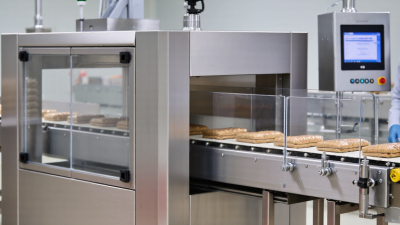
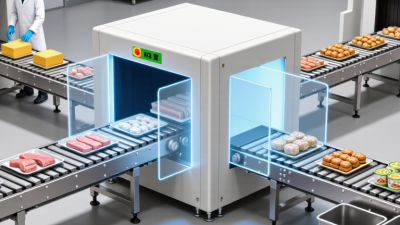
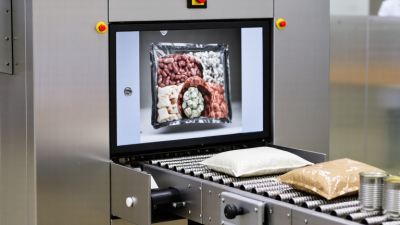
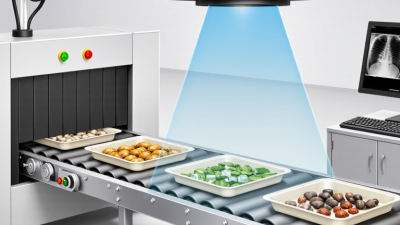
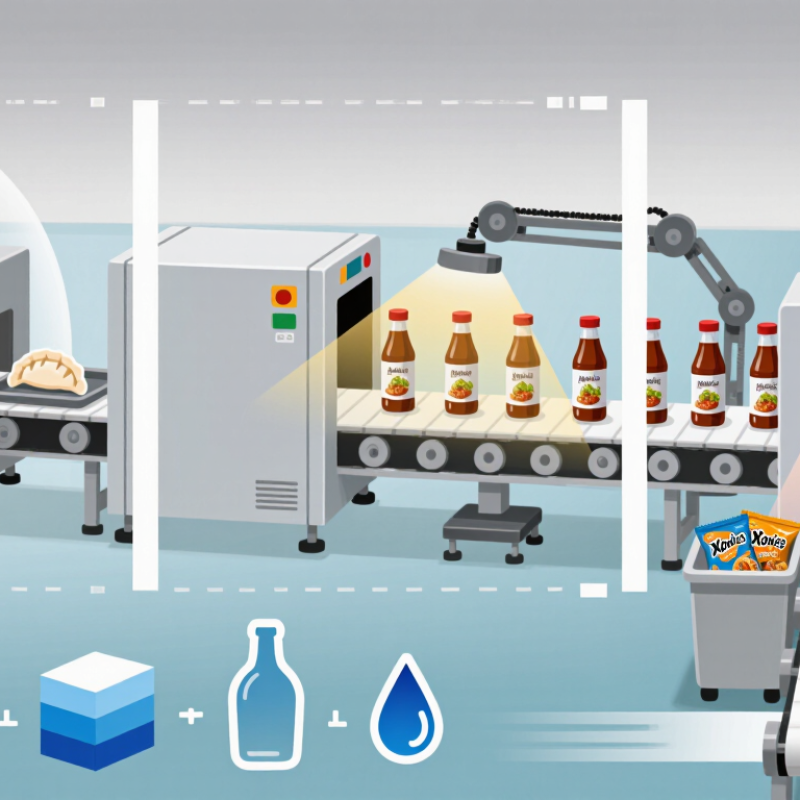
On a food line, X-ray inspection starts as each product moves through a shielded tunnel on a conveyor. An X-ray source sends energy through the package, and a detector measures what passes through. The system turns these differences into an image for analysis. Simple in principle.
Denser areas may indicate metal, glass, stone, or calcified bone, but detection depends on the food, package, and contaminant position. A software threshold flags suspicious images, then a reject mechanism removes affected items from the line. No setup is perfect. Products with uneven texture or overlapping pieces can make interpretation harder, so trial runs with representative samples matter.
When choosing equipment for a facility in China, assess the actual product, packaging, line speed, and available installation space. Ask suppliers to test samples from your production, including products at different temperatures or with varied pack formats. Review detection records and rejection accuracy during commissioning, not just demonstration results. Operators also need clear procedures for checking rejects and responding to alarms. A practical system fits the line and the team using it. The awkward part is often routine: keeping tests consistent across shifts.
How to Choose the Best X Ray for Food Industry in China? - How X-Ray Inspection Works in the Food Industry
| Food Product and Format | Typical Inspection Position | Contaminants X-Ray May Help Detect | Key Selection Considerations | Useful Additional Checks | Validation on the Production Line |
|---|---|---|---|---|---|
| Packaged meat, poultry, or seafood | After primary packaging, where the product is presented consistently to the detector | Metal, glass, stone, and some mineral or calcified-bone fragments, depending on product and system setup | Consider product thickness, temperature, moisture, bone content, pack orientation, and the density of the product itself. | Check product presence, approximate count, shape, or fill level if the inspection system supports the required function. | Test representative products and packaging with suitable certified test pieces. Include normal product variation and the most challenging product position. |
| Bakery products, biscuits, and confectionery | On a conveyor after the product has been arranged in a stable, repeatable position | Metal, glass, and stone; detection of low-density materials such as some plastics may be difficult and is product-dependent | Account for product size, overlap, crumbs, coatings, and variation in thickness. Confirm that the inspection settings do not cause excessive false rejects. | Check missing or broken pieces, product count, and shape where supported and validated. | Run tests across different recipes, sizes, belt positions, and normal production speeds. Review reject timing and reject confirmation. |
| Frozen foods and prepared meals | After sealing or freezing, with the product kept within the system’s specified operating conditions | Metal, glass, stone, and other relatively dense foreign material that produces sufficient image contrast | Assess tray or pouch material, product depth, frozen clumps, toppings, and the effect of overlapping pieces on image quality. | Check tray components, portion presence, and compartment fill where suitable inspection functions are available. | Test the actual frozen product and final packaging. Confirm inspection performance at the intended line speed and during product changeovers. |
| Bulk foods such as grains, nuts, seeds, or dried fruit | In a controlled free-fall or conveyor inspection stage before packing, where applicable | Metal, glass, stone, and some dense foreign objects; capability depends on object size, product depth, and flow presentation | Look for a consistent product layer, suitable throughput, hygienic access, and a reject method that limits product loss. | Confirm that the reject mechanism removes the detected material without disrupting the remaining product flow. | Test at the intended flow rate using representative product and test pieces. Verify the reject response and monitor product loss. |
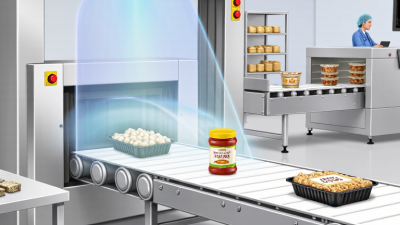
| Liquids, sauces, and products in bottles, jars, or cans | After filling and closure, using a system designed for the package shape and line arrangement | Dense foreign material such as metal, glass, or stone may be detectable; performance varies with container material, geometry, and liquid composition | Evaluate container wall thickness, product depth, closures, labels, and whether containers can be inspected in the required orientation. | Some systems can check fill level or component presence; confirm that the specific package and product can be inspected reliably. | Use filled, closed production packs for trials. Test different container positions and fill conditions, not empty containers alone. |
| Flexible packs, pouches, and bags | After the pack is sealed, with packs spaced and oriented to avoid overlap | Metal, glass, stone, and some other dense contaminants, subject to product and packaging effects | Compare pack width, product thickness, seal area, wrinkles, and product distribution. Check that the reject system handles flexible packs safely. | Verify product presence, pack count, or seal-area inspection only where those functions are supported and demonstrated. | Test the smallest and largest pack formats, realistic product positions, and the intended conveyor speed. Confirm reject confirmation and traceable inspection records. |
| Products with a high salt or mineral content | At a position where the product is presented consistently and image contrast can be assessed | Dense contaminants may be detectable, but the product’s own composition can reduce contrast for some target materials | Request trials using the actual recipe and target contaminants. Do not rely on performance results from a different product formulation. | Consider complementary controls, such as upstream screening or metal detection, when the risk assessment identifies relevant gaps. | Set acceptance criteria with the food-safety and quality teams. Document the test method, product conditions, and results. |
Selection note: X-ray inspection works by measuring differences in how materials absorb X-rays and evaluating the resulting image. Detection performance is not universal: it depends on the contaminant, product composition and thickness, package, equipment configuration, and line conditions. Before purchase, conduct trials with the actual product and packaging, agree on measurable acceptance criteria, and verify applicable radiation-safety, guarding, and interlock requirements in China.