What Is X Ray Inspection for the Food Industry?
Food safety failures can begin with a small, hard-to-see fragment inside a sealed package. The World Health Organization estimates that foodborne hazards cause about 600 million illnesses and 420,000 deaths worldwide each year (WHO, 2015). These figures explain why manufacturers need reliable inspection beyond visual checks. The key question is practical: what is x ray inspection for the food industry?
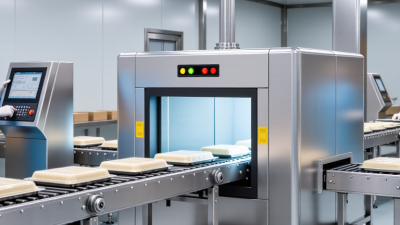
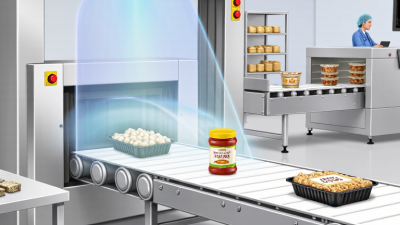
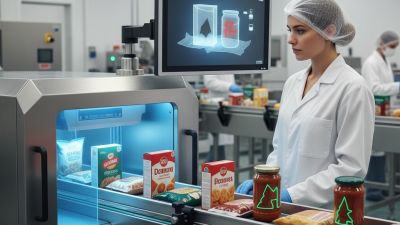
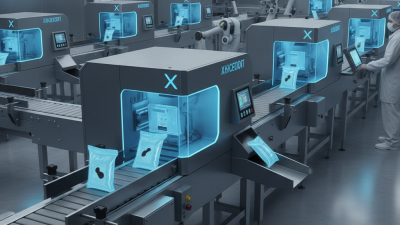
An industrial x-ray system examines products without opening them. It uses controlled radiation to identify dense foreign materials, such as glass, stone, metal, and some bone. It can also detect missing products, broken pieces, poor fill levels, and damaged packaging. For example, a conveyor may carry sealed ready-meal trays beneath an x-ray beam. Software compares each image with defined acceptance limits. Nonconforming packs are then removed automatically.
This is x ray for food industry applications in real production environments. However, the technology is not a substitute for a complete food safety plan. Codex Alimentarius recommends preventive controls based on hazard analysis (FAO and WHO, CXC 1-1969, 2022 revision). The U.S. FDA also requires risk-based preventive controls under the Food Safety Modernization Act. X-ray inspection supports these controls, but it cannot correct poor sanitation, weak supplier management, or careless calibration.
No detector is perfect. Product density, packaging shape, speed, and image settings affect sensitivity. A system may perform well during installation, then drift after maintenance or product changes. Regular validation, documented testing, trained operators, and honest review remain essential. That limitation deserves attention. Accuracy must be demonstrated, not assumed.
What Is X-Ray Inspection in the Food Industry?
What Is X-Ray Inspection in the Food Industry?
X-ray inspection uses controlled, low-energy radiation to examine packaged food without opening it.
The system creates an image from density differences inside each product. Metal, glass, stones, bones, and some dense plastic usually appear as distinct dark or bright shapes. A reject device then removes suspicious packs from the production line. It is not a replacement for hygiene controls.
The need is measurable.
The CDC estimates that foodborne illnesses cause about 48 million illnesses, 128,000 hospitalizations, and 3,000 deaths annually in the United States. These figures come from its 2011 burden estimates. They still show why physical contamination deserves serious control. The FDA’s New Era of Smarter Food Safety blueprint also emphasizes prevention, traceability, and technology-supported monitoring.
In practice, inspection quality depends on more than the machine.
Product thickness, moisture, packaging materials, speed, and temperature can change detection performance. Operators should test the line with certified test pieces and record results at defined intervals. A missed contaminant can expose a weak control point. That deserves review.
X-ray images can also reveal missing products, broken seals, and incorrect fill levels.
However, false rejects waste food and may hide poor calibration. The best programs combine trained staff, preventive maintenance, documented verification, and trend analysis. Technology helps. It does not think.
How Food X-Ray Inspection Systems Work
Food X-ray inspection systems protect products by examining density differences inside sealed packages. They can identify glass, stones, metal fragments, and dense bone without opening the food. This makes inspection useful for packaged meals, canned goods, snacks, and frozen products.
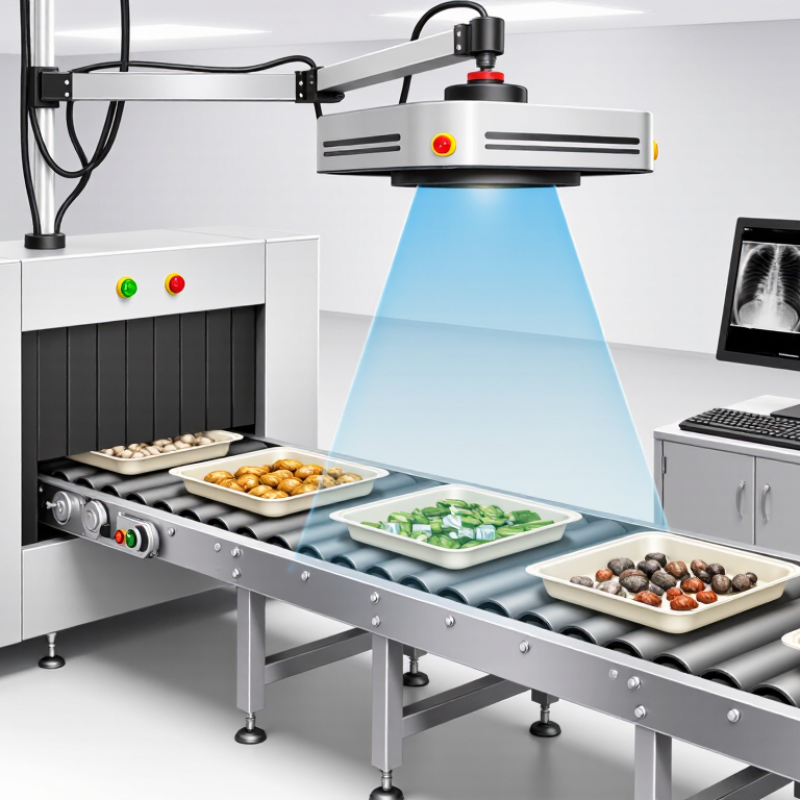
An X-ray generator sends a controlled beam through each product on a conveyor. A detector measures how much energy passes through the package. Dense areas absorb more energy and appear different in the resulting image. Inspection software compares these images with carefully defined acceptance limits. When it detects a suspicious pattern, the system signals a reject mechanism. The affected package is then removed from the production line for evaluation.
The process needs more than advanced equipment. Operators must set suitable sensitivity levels for product size, packaging material, temperature, and line speed. They also need routine performance checks with approved test pieces. In my experience, small changes in moisture or product arrangement can affect image interpretation. That assumption needs testing.
Good systems record inspection results and support traceable quality procedures. They can also monitor missing products, damaged seals, and unusual package shapes. However, X-ray inspection is not a substitute for hygiene controls or supplier management. No system is perfect. False rejects may waste food, while poor settings may hide a real concern. Regular validation, trained operators, and documented corrective actions make the process more dependable. A clean image still deserves professional judgment.
What Is X-Ray Inspection for the Food Industry?
How Food X-Ray Inspection Systems Work
Food X-ray inspection systems create an image from differences in X-ray attenuation. Dense foreign materials absorb more X-rays than most food products and therefore appear as higher-contrast regions for detection. The values below are representative material densities at room temperature; actual inspection performance also depends on material thickness, package geometry, X-ray energy, and product composition.
Which Contaminants Can X-Ray Inspection Detect?
What Is X-Ray Inspection for the Food Industry?
Which Contaminants Can X-Ray Inspection Detect?
X-ray inspection identifies foreign objects by measuring differences in density. It can detect metal fragments, glass shards, stones, mineral pieces, and calcified bone. Dense plastic and rubber may also appear clearly, depending on their size and composition. These contaminants can enter food during harvesting, processing, cutting, or packaging. A small metal fragment inside a sealed pouch may be invisible from the outside. X-ray technology can inspect the product without opening it.
Performance depends on product thickness, moisture, packaging, and contaminant position. Dense foods, such as meat blocks or filled jars, can make detection more difficult. X-rays may not reliably identify low-density materials, thin film, wood, insects, or some types of soft plastic. Operators should test realistic samples, including the smallest foreign objects that could occur. A strong image is helpful, but it is not proof of perfect protection. Settings can drift, and poorly maintained equipment may miss subtle contamination.
Tips: Build a test schedule around real production conditions. Include different package sizes, temperatures, and product textures. Check reject devices regularly, and record every failed test. Staff training matters, too. Human review can catch unusual images, but tired operators may overlook them. Do not rely on one inspection point alone. Use supplier controls, sanitation checks, and careful process monitoring alongside X-ray inspection.
What Are the Benefits and Limitations of Food X-Ray Inspection?
What Is X-Ray Inspection for the Food Industry?
Food X-ray inspection examines sealed products for dense foreign materials. It can detect glass, stones, metal, calcified bone, and some dense plastics. It can also identify missing products, broken items, and uneven fill levels. Unlike visual checks, it works through opaque packaging. This matters because packaging can hide serious contamination.
The benefits are practical, but not unlimited. X-ray systems support HACCP controls and provide electronic inspection records. They can inspect many packs at production speed with limited product handling. The World Health Organization estimates that unsafe food causes 600 million illnesses and 420,000 deaths each year. USDA ERS estimated the annual U.S. economic burden of foodborne illness at 15.6 billion dollars. These figures show why prevention deserves investment.
Yet the picture is less tidy. Detection depends on product density, package thickness, position, and line speed. Low-density materials may escape detection. Wet products can also reduce image contrast. False rejects create waste and may hide setup problems. It is not perfect. X-ray inspection cannot replace supplier approval, sanitation, temperature control, or a documented hazard analysis. Codex Alimentarius recommends preventive systems, not one isolated device.
Tips: Test the system with certified samples during real production. Include different pack sizes, temperatures, and product positions. Review rejected packs manually. Keep calibration and verification records. A clean image can still create overconfidence. Review performance after every recipe or packaging change.