BLOG

Why Use an X Ray Machine for Food Processing?

Food safety depends on more than careful handling. A x ray machine for food processing can inspect products for dense foreign materials, including metal, glass, and some stones, while they move along a production line. It creates images that trained operators can review, often without opening each package. That can help teams check sealed products and reduce the risk of contaminated goods reaching customers. Small details matter.

In practice, inspection settings need to match the product, package, and line speed. A frozen meal, a jar of sauce, and a bag of dry ingredients do not present the same image. Product density and packaging can affect what the system detects. Regular test pieces, documented checks, and trained staff help confirm that inspection is working as intended. A clear image is useful, but it still needs informed interpretation.

X-ray inspection is not a guarantee that every hazard will be found. Detection limits vary, and routine maintenance and validation remain important. Teams should also review how rejected products are handled and how inspection records support quality decisions. Those steps may seem less impressive than the equipment itself. They are essential. This article explains why food processors use X-ray systems, what these machines can reveal, and where careful setup and realistic expectations make a difference.
Why Use an X Ray Machine for Food Processing?

How X-Ray Inspection Works in Food Processing

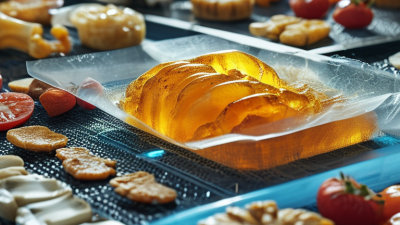
An X-ray inspection system sends a controlled beam through food and its packaging. A detector on the opposite side measures how much radiation passes through. Dense areas absorb more, appearing darker in the resulting image. It happens in seconds.

Software compares image patterns with set limits and flags unusual shapes or density changes. Depending on the line, an air jet or mechanical arm diverts the suspect pack into a locked reject bin. For example, a tiny glass fragment in a sealed sauce pouch may stand out against the softer product. Inspection can also reveal missing pieces or damaged packaging, though settings vary by application.

Performance depends on the food, package, and contaminant’s position. A bone fragment in a dense product may be harder to distinguish than metal in a light snack. That matters. Teams should test representative samples, check reject timing, and review records during routine production. X-ray systems do not identify every hazard, and poorly chosen settings can create false alarms or miss objects. Real products are messy; a clean test image does not guarantee an equally clear result on a fast, changing line.

Which Contaminants X-Ray Machines Can Detect

Why Use an X-Ray Machine for Food Processing?

Which Contaminants X-Ray Machines Can Detect

In food processing, X-ray inspection can help identify foreign objects that appear denser than the surrounding product. Common examples include metal fragments, glass shards, stones, and some mineral materials. It may also detect dense bone in products such as poultry or fish. Certain hard plastics and rubber pieces can be visible, too, but only when their density creates enough contrast.

Small details matter. A thin fragment lying edge-on may be harder to detect than a larger piece facing the detector.

The product and package affect what the system can see. A glass jar, a thick product, or overlapping pieces may create a busy image. Low-density materials, such as paper, wood, hair, or some plastics, can blend into food and may not be reliably detected by X-ray alone.

It is not magic.

Processors should test the actual product using representative contaminant samples, including different sizes and orientations. Reviewing real inspection images can reveal weak spots in a setup, and sometimes the results are less reassuring than expected. That is useful information, not a reason to assume every contaminant will be caught.

How X-Ray Inspection Supports Food Safety and Quality

Food safety depends on controls that catch hazards before products reach kitchens. X-ray inspection adds a non-destructive check of sealed packs, including products in metalized film. Depending on the product and system settings, it can detect dense contaminants such as metal, glass, and some bone fragments. It can also flag missing items or unusual fill levels. The World Health Organization’s 2015 global estimates attribute about 600 million illnesses and 420,000 deaths each year to contaminated food. Those figures make prevention worth measuring, not simply assuming.

On a production line, rejected packs can be reviewed to distinguish genuine hazards from false alarms. FAO’s 2019 report estimated that 14 percent of food is lost between harvest and retail. That figure is not a measure of X-ray performance, but it shows why avoidable waste matters too. Teams need to validate settings against representative products and routinely check the system with suitable test pieces. Small details matter. Product density, pack orientation, and line speed can affect results, so records and periodic review are essential. X-ray inspection cannot identify every biological hazard or replace sanitation, supplier controls, and microbiological testing. It is one useful control, with limits worth acknowledging.

Where X-Ray Systems Fit in the Production Line

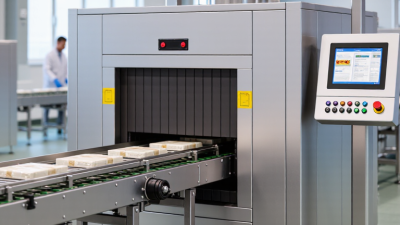
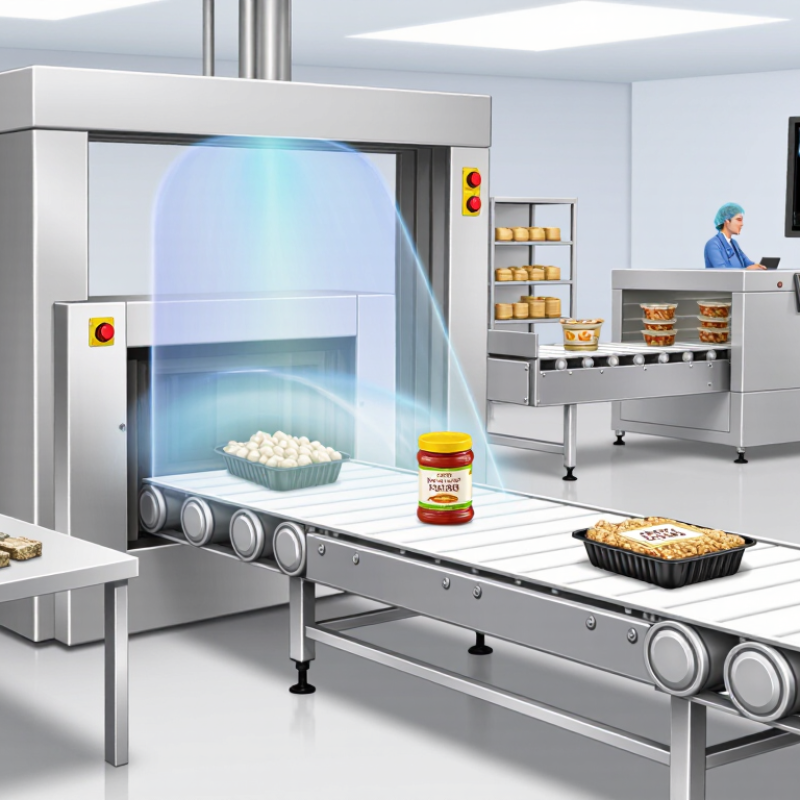
An X-ray system usually sits after filling and sealing, but before cases are packed. At this point, each pouch, tray, or carton passes through the inspection tunnel on a conveyor. The system checks differences in density, which can reveal certain foreign objects, including metal, glass, or stone. It can inspect sealed packs without opening them.

Placement matters. A reject device sits just beyond the scanner, ready to remove flagged products from the line. Staff should confirm rejected packs reach a secure, clearly identified area—not a nearby tote that could be mistaken for good product. Line speed, pack spacing, and product shape affect reliable inspection. Dense ingredients, overlapping items, or uneven fills can make detection harder. Not magic.

For bulk foods, inspection may happen before packaging, such as on a belt carrying frozen vegetables toward a weighing station. The right position depends on where product is exposed and where a rejected item can be safely diverted. Teams need to test performance with representative products and suitable test pieces, then recheck after changes to recipes, packaging, or line speed. Real production is less tidy than a diagram. A tight layout or frequent jams may complicate the ideal setup, so operators should review the handoff between detection and rejection during routine line checks.

Why Use an X-Ray Machine for Food Processing?

Where X-Ray Systems Fit in the Production Line

X-ray inspection is commonly used for bulk product before packing or for finished packs after sealing. It can help detect dense foreign material, such as metal, glass, and stone. The best inspection point depends on the product, packaging, and line design; the markers show typical options, not required steps or performance data.

What Factors Influence X-Ray Inspection Performance

X-ray inspection performance depends on the product, not just the machine. A thick, dense block of cheese can create a different image from a thin biscuit. Overlapping pieces, uneven filling, or trapped air may also change the image and make small contaminants harder to distinguish. Product consistency matters.

Contaminant size, material, and position all affect detection. A tiny fragment near the center of a dense pack may be less visible than a larger piece near its surface. Detector resolution and image settings help, but higher sensitivity can also increase false rejects. There is no setting that works equally well for every recipe. Test with representative products.

Line conditions matter, too. Fast belt speeds reduce the time available to capture a clear image, while vibration can blur it. Pack spacing and orientation should remain steady. Even a slightly tilted tray can alter the product’s apparent thickness. Routine checks with suitable test pieces can reveal drift before it affects production. Still, test pieces cannot perfectly imitate every real contaminant, and that limitation deserves attention. Record results, review rejects, and repeat checks when recipes or packaging change.