BLOG

How to Choose an X Ray Machine for the Food Industry?

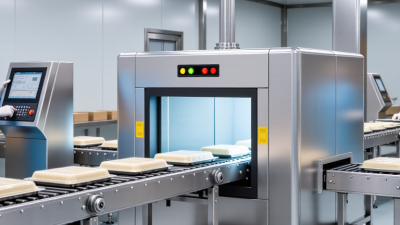
Choosing an x ray machine for food industry operations is not simply a purchasing decision. It affects product safety, production speed, waste levels, and customer trust. A suitable system must detect dense contaminants, including glass, stones, mineral fragments, and some metal pieces. It must also fit the product, packaging, line speed, and factory environment.

Food safety expert Dr. Martin Wiedmann has emphasized, “Food safety is a shared responsibility.” This principle matters when selecting inspection equipment. The machine should support trained operators, documented procedures, preventive maintenance, and reliable verification tests. A clear image on the monitor is not enough. The system must perform consistently beside conveyors, sealers, pumps, and other equipment.

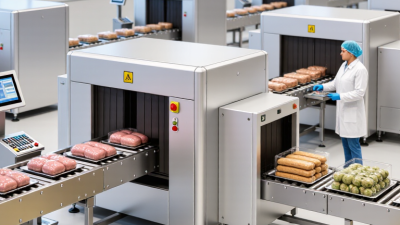
Consider real production conditions. A frozen meal may contain moisture, sauce, foil, or overlapping ingredients. These details can reduce detection performance. Product temperature, density, package shape, and belt spacing also influence results. The x ray machine for food industry should offer appropriate software, rejection controls, hygienic construction, and data records. It should also allow practical cleaning around guards, belts, and inspection openings.

There is no perfect machine. That is worth remembering. Some buyers focus too heavily on advertised sensitivity. Others overlook false rejects, service access, or operator training. A stronger choice balances detection capability with daily usability. This guide examines those trade-offs, helping manufacturers compare specifications with actual factory needs. The final decision should come from trials using representative products, packaging, contaminants, and line speeds. Testing only an ideal sample may create false confidence.
How to Choose an X Ray Machine for the Food Industry?

Understanding X-Ray Inspection Needs in Food Production

How to Choose an X-Ray Machine for the Food Industry?

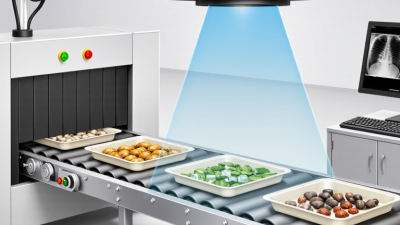
Understanding inspection needs should come before comparing machine specifications. The World Health Organization estimates that contaminated food causes 600 million illnesses and 420,000 deaths worldwide each year. X-ray inspection cannot detect every hazard, but it can identify dense materials such as metal, glass, stone, and calcified bone. It may also reveal missing products, broken seals, or unusual density changes. Start with the hazard.

A practical assessment examines the product, package, line speed, and production environment. Dense sauces, frozen meals, and products in foil may require different inspection settings. Package dimensions matter too. A tall carton can create more variable absorption than a flat pouch. Ask for sensitivity data using test pieces that match real production conditions. Then check automatic rejection, reject confirmation, image storage, and routine verification procedures. These details often matter more than impressive brochure numbers.

The U.S. Centers for Disease Control and Prevention reports about 48 million foodborne illnesses annually in the United States. That figure supports stronger preventive controls, but it does not mean an X-ray system alone ensures food safety. Codex HACCP principles require a documented hazard analysis and controlled monitoring steps. X-ray inspection should fit that system, not replace it. In practice, false rejects can increase waste, while weak testing can create false confidence. I would review both risks honestly. A technically powerful machine may still perform poorly when operators lack training, maintenance is irregular, or products change frequently.

Evaluating Product, Packaging, and Contamination Risks

How to Choose an X Ray Machine for the Food Industry?

Evaluating Product, Packaging, and Contamination Risks

Choosing an X-ray machine for food production begins with the product, not the equipment brochure. Moisture, density, shape, and temperature can change detection performance. Frozen meat, glass jars, and thick pouches create different inspection challenges. Test representative products at normal line speed. Do not rely on an empty conveyor test. That shortcut can create false confidence.

Packaging can hide risk in unexpected ways. Metalized film, foil, liquid pockets, and folded seals may affect image contrast. Check the largest pack, the smallest pack, and the densest recipe. Detection capability also depends on contaminant material and size, including metal, glass, mineral stone, or calcified bone. Ask the supplier to document results using realistic test pieces. Small details matter.

The reject system deserves equal attention. Confirm that it removes the entire suspect item without disturbing nearby products. An alarm alone is not control. Review contamination history, production speed, hygiene conditions, and cleaning routines before setting sensitivity. Repeat verified challenge tests after changeovers, maintenance, and software adjustments. Keep records that operators can understand and auditors can trace. Qualified food-safety and radiation-safety personnel should review installation and operating procedures against applicable local requirements. Even experienced teams can overestimate performance when products are uniform during testing. Real production is rarely so cooperative.

How to Choose an X-Ray Machine for the Food Industry? – Evaluating Product, Packaging, and Contamination Risks

Food Application Typical Product Characteristics Common Packaging Formats Primary Contamination Risks Typical X-Ray Energy Range Indicative Detection Targets Main Selection Considerations
Bakery Products Low to medium density; irregular shapes; products may contain air pockets, seeds, nuts, or fillings. Flexible film, paperboard cartons, trays, and flow-wrap packs. Metal fragments, stones, glass, and high-density mineral inclusions. 80–120 kV Metal: approximately 1.0–1.5 mm; glass or stone: approximately 2.0–3.0 mm, subject to product geometry. Use a system optimized for low-density products, variable product orientation, and reliable rejection of lightweight packs.
Fresh and Processed Meat High and variable density; moisture-rich; may contain bones, joints, or overlapping portions. Vacuum pouches, thermoformed trays, rigid tubs, and cartons. Metal, bone, stainless-steel fragments, and dense mineral matter. 100–160 kV Metal: approximately 1.2–2.0 mm; calcified bone: approximately 1.5–3.0 mm, depending on product thickness. Select higher penetration capability, strong software for overlapping products, and hygienic construction suitable for washdown areas.
Dairy Products Medium to high density; smooth or semi-solid; may be temperature-sensitive or moisture-rich. Foil-sealed cups, plastic tubs, cartons, pouches, and wrapped blocks. Metal, broken wire, glass, stones, and dense rubber or plastic components. 90–140 kV Metal: approximately 1.2–2.0 mm; glass or stone: approximately 2.0–3.5 mm. Check compatibility with foil, product temperature, pack spacing, and hygienic access for cleaning and inspection.
Canned and Retort Foods High overall density; liquid, particulate, or mixed products; rigid containers may have thick walls. Metal cans, retort pouches, glass jars, and rigid plastic containers. Metal fragments, glass, stones, and damaged processing components. 120–180 kV Metal: approximately 1.5–3.0 mm; glass or stone: approximately 2.5–4.0 mm, depending on container thickness. Prioritize penetration, image contrast through dense packaging, automatic setup changes, and dependable reject confirmation.
Glass-Jar Products Usually medium to high density; product may contain particulates, sauces, or suspended ingredients. Glass jars with metal lids, plastic closures, labels, and secondary cartons. Glass chips, metal, stones, and fragments from filling or capping equipment. 100–160 kV Glass: approximately 2.0–3.5 mm; metal: approximately 1.5–2.5 mm. Validate performance through the complete jar, lid, label, and product combination; include safeguards against false rejects from closures.
Frozen Foods High and variable density; frozen blocks or loose pieces; surface ice and product overlap may occur. Flexible bags, cartons, trays, and bulk cases. Metal, bone, stones, glass, and fragments from cutting or conveying equipment. 100–160 kV Metal: approximately 1.5–2.5 mm; bone, glass, or stone: approximately 2.5–4.0 mm. Confirm performance at the lowest and highest expected product temperatures and assess condensation, frost, and belt-cleaning requirements.
Liquid and Pumpable Foods Homogeneous or particulate liquids; density varies with solids, viscosity, and filling level. Bottles, cartons, pouches, plastic containers, and metal cans. Metal, glass, stones, and fragments from pumps, valves, or filling lines. 90–150 kV Metal: approximately 1.2–2.5 mm; glass or stone: approximately 2.0–3.5 mm. Evaluate product movement, bubbles, fill-level variation, viscosity, and whether inspection should occur before or after final packaging.
Dry Ingredients and Bulk Products Low to medium density; free-flowing or powdered; product depth can vary significantly. Sacks, lined cartons, flexible bags, bins, and bulk containers. Metal, stones, glass, dense rubber, and fragments from screens or mills. 80–140 kV Metal: approximately 1.0–2.0 mm; glass or stone: approximately 2.0–4.0 mm. Consider bulk-flow stability, product depth, dust protection, inspection frequency, and whether pipeline or free-fall inspection is more suitable.
Selection note: The energy ranges and detection targets shown are indicative planning values, not guaranteed specifications. Actual performance depends on product density, thickness, package material, line speed, detector geometry, image-processing settings, and the required validation standard. Final acceptance should be based on representative products, packaging, contamination types, and worst-case production conditions.

Comparing X-Ray Machine Features and Detection Performance

How to Choose an X-Ray Machine for the Food Industry?

Choosing an X-ray machine requires more than comparing price and image resolution. Detection performance depends on the product, package, line speed, and contaminant type. Dense products may hide small fragments. Uneven packages can create confusing images. A practical test should use samples from real production, not only clean laboratory packs.

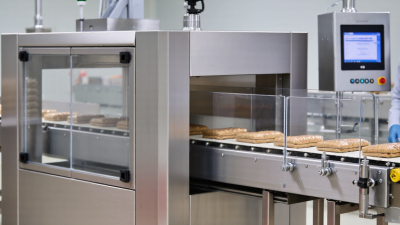
Key features include detector resolution, adjustable energy levels, automatic rejection, image storage, and clear alarm controls. Stainless steel construction matters in wet processing rooms. Sealed surfaces make daily cleaning easier. I also check belt stability and reject timing. A strong system can detect metal, glass, stone, and dense bone, but results vary between products. Test pieces should be placed at different positions and orientations. The weakest result matters most.

Operators need simple instructions and regular verification records. Data logging supports traceability and helps identify recurring false rejects. However, software cannot replace careful setup. I have seen good machines perform poorly after product changes or belt adjustments. That is easy to overlook. A realistic evaluation should compare sensitivity, false-reject rates, inspection speed, and maintenance effort. Some decisions remain imperfect. The best choice is the machine that performs reliably under actual factory conditions, every day.

Checking Compliance, Integration, and Operating Requirements

Choosing an X-ray machine for food production begins with compliance, not detection claims. The World Health Organization estimates that 600 million people become ill from contaminated food annually, with 420,000 deaths worldwide. This figure, published in its 2024 food safety fact sheet, shows why inspection controls need documented evidence.

Check the machine against local electrical, radiation-safety, hygiene, and equipment requirements. Codex General Principles of Food Hygiene, CXC 1-1969, supports hazard-based controls and verification. Ask for radiation leakage tests, factory certificates, software validation records, and calibration procedures. Compliance paperwork alone is insufficient. Your site may require additional approval.

Integration must match the real production line. Confirm belt width, product spacing, maximum speed, washdown conditions, and reject timing. Test cans, pouches, glass jars, and dense products separately. Connect inspection results with the PLC, alarm system, and production records. A failed reject confirmation should stop the line, not quietly create a gap.

Operating requirements deserve equal attention. Define detection targets, acceptable false-reject rates, cleaning routines, and daily performance checks. Train operators to respond to alarms consistently. In practical plant assessments, small timing errors often matter more than impressive sensitivity figures. That is easy to overlook. Product temperature, package position, and changing recipes can also affect results. Leave room for review; the first specification is rarely perfect.

Selecting the Best System for Cost, Safety, and Future Growth

How to Choose an X Ray Machine for the Food Industry?

Selecting an inspection system begins with risk, not price. The World Health Organization estimates that contaminated food causes 600 million illnesses annually. A missed fragment can damage consumer trust quickly. Define the target contaminants, product density, package material, and line speed before requesting quotations. Small test pieces matter. So does product variation.

Cost should include installation, training, calibration, maintenance, energy, and rejected product. A low purchase price may hide expensive downtime. Compare false rejects during realistic production trials. The United Nations Environment Programme reported that 1.05 billion tonnes of food were wasted in 2022. Better detection can reduce waste, but poor settings may create more waste instead. This balance deserves honest measurement.

Safety and future growth require equal attention. In the United States, FDA regulation 21 CFR 1020.40 limits radiation leakage from cabinet X-ray systems to 0.5 milliroentgen per hour at five centimeters. Ask for documented testing, accessible records, and clear operator procedures. Choose software that supports audit trails, remote diagnostics, and recipe management. Leave physical space for wider packs or faster conveyors. Growth plans are often vague. That is a weakness worth admitting. A practical evaluation should score detection performance, ownership cost, compliance evidence, and expansion flexibility together.

How to Choose an X-Ray Machine for the Food Industry?

Selecting the Best System for Cost, Safety, and Future Growth

The chart presents an example 100-point evaluation model for comparing food X-ray inspection systems. Safety and inspection performance receive the highest weighting because the equipment should support HACCP-based hazard control and comply with applicable cabinet X-ray radiation-safety requirements. Total cost includes purchase, installation, maintenance, training, and energy use, while scalability considers future product formats, line speeds, data connectivity, and inspection upgrades.

Reference framework: Codex Alimentarius General Principles of Food Hygiene (CXC 1-1969) and U.S. FDA cabinet X-ray system requirements under 21 CFR 1020.40. Weightings are planning guidance and should be validated through a site-specific risk assessment.