How to Find the Best Food X Ray Machine Price?
Choosing a food X-ray inspection system is not just a search for the lowest quote. It is a decision about product protection, production fit, and ongoing operating costs. The World Health Organization’s global estimates, published in 2015, attributed 600 million illnesses and 420,000 deaths each year to contaminated food. Those figures are a sobering reminder: inspection decisions deserve careful evaluation, not guesswork.
The food x ray machine price can change with line speed, product type, package dimensions, detection requirements, and software options. A compact unit for sealed trays may not suit a fast line carrying varied products. Ask suppliers to demonstrate detection performance using your actual product and packaging. Check installation, operator training, maintenance, spare parts, and service response times, too. These details can make a modest-looking quotation more expensive over time.
A low quote can look reassuring. It may not be. Compare written specifications and total ownership costs, then confirm what the warranty and service plan actually cover. Industry guidance, including Codex Alimentarius standards on food hygiene, supports a risk-based approach to food safety; however, it does not set one universal machine specification. The right choice depends on your process. And that can be inconvenient. Budget estimates are useful, but they are not a substitute for product trials and a line assessment.
Identify Your Food Inspection Needs and Production Requirements
How to Find the Best Food X Ray Machine Price?
Identify Your Food Inspection Needs and Production Requirements
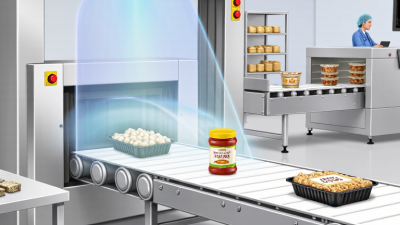
The right food X ray machine starts with a clear inspection assessment, not the lowest quotation. Define the products, packaging materials, and possible foreign objects. Dense products, metalized film, glass jars, and frozen items can require different detection performance. Product temperature and moisture also affect image quality.
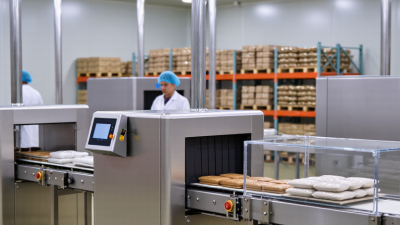
Measure your production line carefully. Record line speed, product spacing, package dimensions, and daily operating hours. A machine designed for 120 packages per minute may create delays on a faster line. The conveyor height, available floor space, and reject area also matter. Small details become expensive changes later.
Look closely at hygiene and maintenance needs. Open-frame designs may simplify cleaning, while sealed structures can protect sensitive components. Ask about inspection records, calibration routines, software access, and operator training. Reliable suppliers should explain testing procedures and provide measurable performance information. Trial inspection with real products is valuable because laboratory samples can be unrealistically easy to detect.
Price should include installation, integration, training, service, spare parts, and energy use. A cheaper machine may carry higher costs when rejects, downtime, or manual checks increase. That comparison is often overlooked. Sometimes, a smaller system fits the line better than a high-capacity model. However, choosing too small a unit can limit future production. Recheck your assumptions before approving the purchase.
How to Find the Best Food X-Ray Machine Price?
The most suitable price depends on inspection needs and production requirements. The chart shows representative food production line-speed ranges in packs per minute. Use your actual product size, packaging material, required contaminant detection, conveyor width, and target throughput to compare machine specifications and total ownership cost.
Compare Food X-Ray Machine Types and Technical Specifications
How to Find the Best Food X-Ray Machine Price?
Compare Food X-Ray Machine Types and Technical Specifications
The right comparison starts with the product, not the price tag. Belt systems suit packaged items moving along a line; pipeline systems inspect liquids or pastes inside a pipe. A single-energy system may work for uniform products, while dual-energy imaging can help distinguish contaminants in products with varied densities. It is not magic. Product thickness, moisture, packaging, and orientation all affect detection.
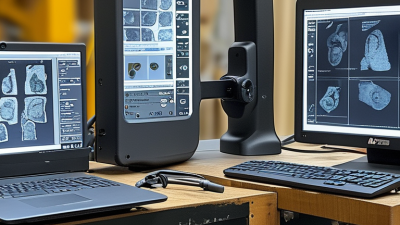
Compare verified performance under your actual production conditions. Check line speed, aperture size, reject mechanism, image storage, and the supplier’s stated detection limits for each product format. Ask for test results using representative samples, including products in foil or dense packaging. Grand View Research estimated the global X-ray inspection systems market at about US$1.03 billion in 2023, with projected growth through 2030. That industry estimate signals investment, but it does not tell you which model fits your line.
Request a trial with your own products. Record detection results, false rejects, and throughput during a sustained run—not just a short demonstration. Then compare total cost: installation, operator training, maintenance, and production downtime. A lower-priced unit may have a smaller aperture or slower inspection speed. Check the details. Even published specifications can be hard to compare when testing conditions differ.
Calculate the Total Cost of Ownership Beyond the Purchase Price
How to Find the Best Food X Ray Machine Price?
The listed price is only the starting point. A food X-ray inspection system may also require site preparation, installation, staff training, and integration with existing conveyors. Ask for a written estimate that separates these costs. A low quote can look attractive until electrical work or line modifications appear later.
Think about daily operating costs, too. Energy use may be modest, but maintenance, replacement parts, calibration checks, and service visits add up over time. Ask how often routine checks are recommended and what support is included after installation. If a breakdown stops production, estimate the cost of lost line time. Even a few hours can matter when products are waiting on the conveyor.
Then consider performance against your actual products and line speed. Request a trial using representative packages, including different sizes and materials. Compare detection performance, reject handling, and the amount of product sent for manual review. Training matters: operators need clear procedures, not just a quick demonstration. Build a five-year cost estimate and compare it with expected throughput and service life. These estimates are imperfect; production changes, and repairs rarely follow a tidy schedule. Still, a realistic ownership-cost calculation is more useful than choosing by purchase price alone.
Evaluate Supplier Expertise, Warranty, and Service Support
A low food X ray machine price can look attractive, but the supplier’s expertise affects what that price actually buys. Ask how they assess your product types, package sizes, and expected inspection speed. A supplier who asks about belt width and daily operating hours is more useful than one who quotes from a brochure alone. Request a live demonstration using sample packages similar to yours. Watch how the system handles uneven products and how clearly staff explain image review. Details matter.
Warranty terms deserve close reading.
Check which parts are covered, how long coverage lasts, and whether labor or travel costs are excluded. Ask what happens if a detector or conveyor component fails during normal use. Get the answer in writing. A long warranty may still leave gaps, and I have seen buyers focus on the headline duration too much. That is easy to do.
Service support can shape the real cost of ownership. Ask where technicians are based, how quickly support usually responds, and whether remote troubleshooting is available. Confirm that training includes routine checks, safe operation, and practical steps for handling common faults. Request a sample maintenance schedule and a clear list of replaceable parts. If answers stay vague, pause before comparing prices. You are buying a working inspection process, not just a machine.
Compare Quotes and Determine the Best Value for Your Budget
How to Find the Best Food X Ray Machine Price?
A low quotation can look attractive, but the purchase price rarely tells the whole story. Compare at least three written quotes with the same inspection needs, product size, and expected line speed. Ask each supplier to list the machine, installation, staff training, warranty, and routine maintenance separately. A clear breakdown makes differences easier to spot. Check what is included, not just the final figure. One quote may omit setup or operator training, which can add costs later.
Tips: Create a simple comparison sheet. Record the quoted price, delivery time, warranty period, service response, and likely replacement parts. Ask for a demonstration using products similar to yours. Watch how easily staff can load items and review results. Small workflow delays matter. If possible, speak with a current user about ongoing service and training. Their experience may reveal details a sales document misses.
To judge value, consider the machine’s fit for your daily operation rather than choosing the lowest number. Estimate regular costs over several years, including maintenance and any required inspections. Confirm that the proposed capacity matches your busiest production periods, not only an average day. A larger system may cost more upfront but prevent bottlenecks; it may also be unnecessary for a smaller line. Quotes can never predict every repair or delay. Leave room in your budget, and treat unusually vague answers as a reason to ask more questions.
How to Find the Best Food X-Ray Machine Price? — Compare Quotes and Determine the Best Value for Your Budget
| System Type |
Typical Application |
Indicative Equipment Budget (USD) |
Common Cost Factors |
Best Value Consideration |
| Entry-level conveyor system |
Lower- to moderate-throughput packaged foods on a production line |
$30,000–$60,000 |
Conveyor width, aperture size, detector configuration, reject device, and installation requirements |
Compare detection performance on your actual products, not just the purchase price. |
| Mid-range conveyor system |
Regular production with a wider range of package sizes or product formats |
$60,000–$120,000 |
Line speed, software functions, product handling, inspection records, and integration work |
Check that the quoted system meets required throughput without creating product bottlenecks. |
| High-throughput or multi-lane system |
Large-volume production or applications requiring higher line capacity |
$100,000–$250,000+ |
Multiple lanes, high-speed rejection, custom conveyors, advanced controls, and line integration |
Assess total cost per inspected unit and confirm that the added capacity will be used. |
| Specialized system |
Products with challenging packaging, irregular presentation, or application-specific inspection needs |
Usually quoted to specification |
Product density, package geometry, inspection criteria, environmental conditions, and custom engineering |
Request a product trial using representative samples before comparing final offers. |
| Quote Item |
What to Confirm |
Why It Affects Value |
| Machine configuration |
Aperture, conveyor dimensions, line speed, reject method, and included safety features |
Quotes with different configurations are not directly comparable. |
| Installation and commissioning |
Site preparation, delivery, installation, calibration, and operator training |
These services may be included, priced separately, or excluded. |
| Validation and product testing |
Trial conditions, sample products, test pieces, and documented acceptance criteria |
Testing helps establish whether the proposed system suits the real application. |
| Warranty and service |
Warranty duration, response times, service coverage, and parts availability |
Support and downtime risks can materially affect ownership cost. |
| Ongoing costs |
Preventive maintenance, consumables, software or service fees, and expected spare parts |
A lower initial price may not mean a lower total cost over the machine’s service life. |
| Price note: The USD ranges above are broad, indicative budget estimates for comparison—not current supplier quotations. Actual prices vary by region, configuration, product requirements, installation scope, taxes, and service package. Obtain itemized quotes and compare equivalent specifications before making a purchasing decision. |