10 Tips for Choosing the Best X Ray Machine for Food Processing?
Selecting the right x ray machine for food processing can significantly impact food safety. Dr. Emily Li, an expert in food safety technologies, emphasizes, “Quality inspections rely on the precision of x ray machines.” In an industry where contamination is a pressing concern, choosing the best machine is crucial.
When considering x ray machines for food processing, prioritize features like detection capability and ease of use. A high-quality machine can effectively identify foreign objects and ensure product integrity. Some machines offer advanced detection algorithms, while others may lack this innovation, raising the question of their reliability.
Furthermore, factors such as maintenance and support can vary widely among manufacturers. Some brands provide exceptional service, while others may leave you in the dark post-purchase. It's essential to weigh these aspects carefully. An informed choice can make a difference in compliance and consumer trust.
Understanding the Role of X-Ray Machines in Food Processing
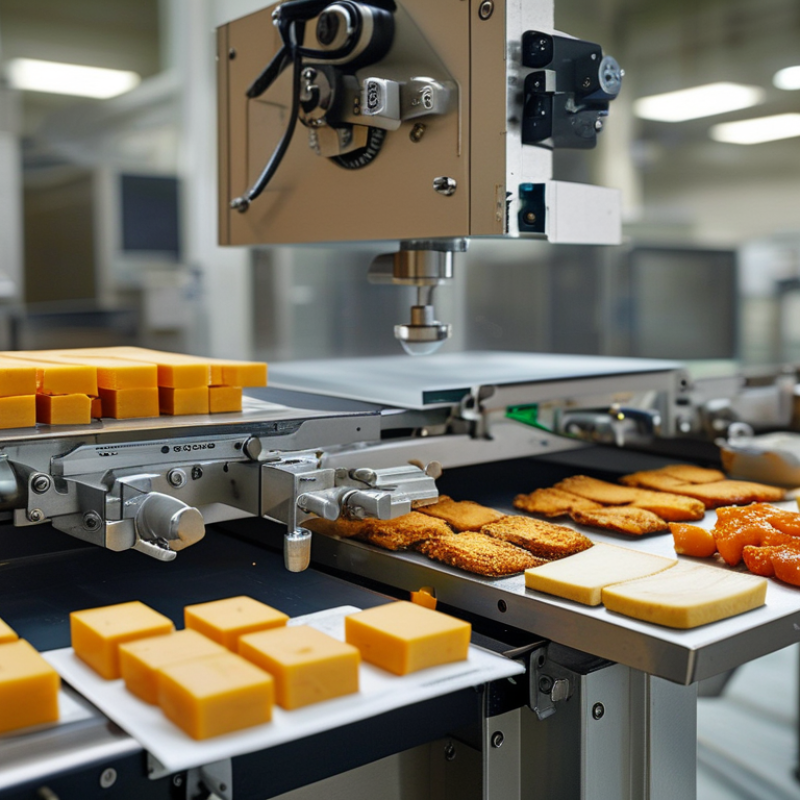
Understanding the role of X-ray machines in food processing is crucial for ensuring safety and quality. These machines effectively detect foreign objects, such as metal, plastic, or glass, that can harm consumers. They play a significant role in maintaining food integrity, thereby enhancing trust in food products. The right X-ray machine can streamline inspections and improve overall productivity.
When selecting an X-ray machine, consider the type of food products you'll process. Different foods require different inspection methods. It's important to evaluate your needs carefully. Look for machines capable of varying sensitivity levels. This feature can help identify diverse contaminants in various food types. Remember, not all machines are created equal.
Another consideration is the speed of inspection. High throughput is essential in busy processing environments. The machine should maintain accuracy while handling large volumes efficiently. Employee training is also vital. Even the best X-Ray machines require knowledgeable operators for optimal performance. Ensure your team understands how to use and maintain the equipment properly. In this evolving industry, reassessing your choices regularly can lead to better outcomes.
Key Features to Consider When Selecting an X-Ray Machine
When selecting an X-ray machine for food processing, understanding key features is essential. Consider the machine's sensitivity to detect foreign objects. Higher sensitivity can mean more effective detection, reducing risks in food safety. Look for specifications that outline the detection capabilities for various contaminants like metals, glass, and plastics. Ensure the machine meets industry standards for safety and reliability.
Another important feature is the throughput capacity. Assess how quickly the machine can scan products without compromising accuracy. A well-designed machine should handle a high volume of products while delivering precise results. Think about your production line's speed and how the X-ray machine fits into that workflow.
Evaluate integration options too. The X-ray machine should easily connect with existing systems. This helps streamline operations and improves efficiency. Remember, investing in technology brings ongoing responsibilities. Regular maintenance is crucial. Without it, the machine's effectiveness can diminish over time. Finding the right balance between features and practicality can enhance safety and performance in food processing environments.
10 Tips for Choosing the Best X Ray Machine for Food Processing
| Feature |
Description |
Importance |
| Image Resolution |
High-resolution images for better detection of contaminants. |
Critical for identifying small defects. |
| Throughput Capacity |
Amount of product processed per hour. |
Essential for maintaining production speed. |
| Detection Sensitivity |
Ability to detect various types of contaminants. |
Vital for product safety and compliance. |
| User Interface |
Ease of navigating controls and settings. |
Affects operator efficiency and error reduction. |
| Maintenance Requirements |
Frequency and ease of maintenance tasks. |
Impacts operational downtime and costs. |
| Regulatory Compliance |
Adherence to food safety regulations. |
Critical for legal compliance and market access. |
| Portability |
Ease of moving the machine around the facility. |
Enhances flexibility in processing locations. |
| Cost of Ownership |
Total costs including purchase and operational expenses. |
Important for budgeting and financial planning. |
| Support and Training |
Availability of technical support and operator training. |
Affects long-term usage and troubleshooting. |
| Warranty Options |
Coverage for repairs and defects over time. |
Provides peace of mind and reduces risk. |
Evaluating Sensitivity and Accuracy in X-Ray Detection
Sensitivity and accuracy are paramount when evaluating X-ray machines for food processing. Sensitivity refers to the ability of the machine to detect small contaminants. A highly sensitive X-ray machine can identify even the most minuscule foreign bodies, which can include metal, glass, or stone fragments. However, there may be trade-offs; machines that prioritize sensitivity might produce more false positives. Careful consideration of this balance is crucial.
Accuracy plays a significant role in ensuring the safety and quality of food products. An accurate X-ray machine reduces the chances of mistakenly rejecting good products. This aspect is essential for maintaining consumer trust. Regular calibration checks and routine performance assessments can enhance accuracy. However, it’s important to recognize that maintaining a high level of accuracy can be resource-intensive and may require specialized staff.
When selecting an X-ray machine, it’s wise to evaluate both sensitivity and accuracy in the context of your specific processing needs. Understand the types of products you handle. Determine acceptable thresholds for detection errors. Sometimes, it's beneficial to consult experts who understand the nuances of detection technology. Ultimately, the right balance can optimize your operations while ensuring compliance with safety standards.
Assessing Compliance with Food Safety Regulations and Standards
Choosing the right X-ray machine for food processing involves understanding food safety regulations. Compliance with these standards ensures product integrity and consumer safety. Familiarize yourself with local food safety laws. These rules often dictate the types of materials and methods that are permissible in food processing.
It’s crucial to assess how an X-ray machine performs against these regulations. Look for machines that provide detailed screenings and can detect contaminants effectively. Ensure the machine's operation meets safety standards. Transparency in the machine’s testing data can also be a signal of reliability.
Industries must continuously evaluate the effectiveness of their equipment. Have instances where machines did not meet compliance arisen in your facility? Regular audits and assessments can help identify gaps. Emphasizing proper training for staff can reduce errors in compliance. An informed team is better equipped to use machines correctly.
10 Tips for Choosing the Best X Ray Machine for Food Processing
Budget Considerations for Purchasing an X-Ray Machine
When considering the purchase of an X-ray machine for food processing, budget is a critical factor. Establish a clear financial framework before exploring options. This helps in narrowing down choices that align with operational needs without overspending. Analyze initial costs, but also factor in operational and maintenance expenses. Over time, these can significantly impact your total budget.
Understanding the technology is essential. Some machines may offer advanced features but come with a higher price tag. Weigh the benefits of these features against their cost. It’s crucial to assess how each function contributes to food safety and quality. Remember, a more expensive machine doesn’t always equate to better performance.
Investing in training for staff using the equipment can also affect your budget. Proper training reduces mistakes and improves efficiency. Ignoring this can lead to costly errors and machine downtime. Finding a balance between cost and quality will require careful deliberation and revision of your initial expectations. Always question if you are receiving the value you anticipated with your investment.