BLOG
Top Varpe Checkweigher Suppliers for Global Buyers?
Global buyers need more than a supplier list when selecting a varpe checkweigher. They need evidence that each machine can perform consistently in real production environments. Product weight, line speed, package shape, and cleaning routines all affect equipment suitability. A reliable comparison should examine weighing accuracy, reject mechanisms, conveyor design, control software, and integration options. It should also consider installation support, operator training, spare parts, and response times after delivery.
This guide reviews leading varpe checkweigher suppliers for buyers managing international purchasing decisions. It focuses on practical factors rather than polished marketing claims. Factory experience matters. So does technical documentation. A supplier should explain test procedures, calibration methods, tolerances, and expected maintenance intervals in clear language. Regional service coverage can reduce downtime, especially when a replacement sensor or belt is needed quickly. Buyers should also request application trials using their actual products and packaging materials. Small details often matter.
No supplier is perfect. Some companies may offer advanced software but limited local support. Others may provide strong engineering but slower communication. That trade-off deserves careful attention. A factory visit, reference check, or sample inspection can reveal issues that brochures overlook. Pricing is important, but the lowest quotation may create higher operating costs later. Specifications can change between models, and unclear assumptions may weaken an otherwise sound comparison. The following overview helps global buyers assess supplier credibility, technical fit, service reliability, and long-term value before making a confident decision.

What Is a Varpe Checkweigher and How Does It Work?
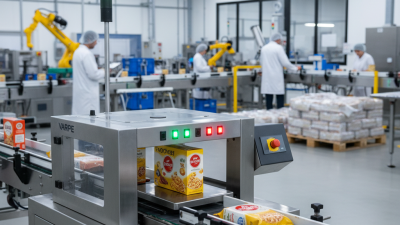
A Varpe checkweigher is an automated system that verifies product weight while items move along a production conveyor. It is commonly used for packaged food, pharmaceuticals, personal care products, and other regulated goods. The machine compares each measured weight with preset minimum and maximum limits. Products outside those limits can be removed automatically.
The process is precise but straightforward. A conveyor transfers each item onto a weighing platform fitted with a sensitive load cell. The sensor records the weight within milliseconds. Software then compares the result with the target value, allowing for product tolerance and conveyor speed. An air blast, pusher, or diverter may reject an underweight or overweight package. Data can also show recurring filling errors, not just individual failures.
Reliable performance depends on setup. Operators should match the weighing range, belt speed, product spacing, and package shape. Vibration, airflow, moisture, and unstable flooring can affect readings. Calibration must be checked with certified test weights at suitable intervals. Keep it stable.
In my experience, a fast machine is not always the best choice. Poorly spaced products can create false readings, even with advanced software. Buyers should test real packages before selecting equipment. They should also review cleaning access, operator training, service response, and data records. A supplier’s technical claims matter, but observed performance matters more.
Key Features to Assess in Varpe Checkweigher Suppliers
When comparing Varpe checkweigher suppliers, buyers should assess measurable performance rather than attractive specifications. A 2024 MarketsandMarkets report estimates the global checkweigher market will grow at about 5% annually through the decade. That growth reflects tighter quality control and wider automation use. Suppliers should state accuracy, maximum load, belt speed, and product-spacing limits clearly. Ask for test results using products similar to yours. Laboratory accuracy can differ sharply on a vibrating production line.
The load cell is central. Look for stable readings, fast signal processing, and simple calibration routines. Stainless-steel construction, washdown protection, and an appropriate IP rating matter in humid facilities. A practical supplier also supports reject confirmation, metal-detector integration, and communication with factory software. PMMI industry research continues to identify labor shortages as a major reason for packaging automation. Therefore, intuitive screens and remote diagnostics are not decorative features. They reduce dependence on scarce technical staff. Not every “high-speed” claim survives real packaging conditions.
Data handling deserves equal attention. The system should record weight trends, alarms, calibration history, and user actions. Audit-ready records help engineers investigate recurring underweight or overweight products. Request a factory acceptance test, installation guidance, spare-parts availability, and local response times. I would also compare total ownership cost, not only purchase price. A lower-priced machine may require more cleaning, manual checks, or service visits. No datasheet is perfect. Suppliers should welcome difficult questions and disclose operating limits. That honesty is often more valuable than another impressive number.
Leading Varpe Checkweigher Suppliers for International Buyers
International buyers need checkweigher suppliers that understand more than machine speed. A reliable supplier should explain weighing accuracy, belt dimensions, product spacing, and environmental limits in plain language. Experience matters here. A supplier familiar with export projects can recommend suitable configurations for different packages, line layouts, and production temperatures.
Look for documented testing procedures and traceable calibration records. Ask how the supplier checks accuracy during factory acceptance testing. Request sample reports, installation guidance, and operator training details. Practical support matters.
After-sales service often separates a capable supplier from a merely attractive quotation. Confirm spare-parts availability, remote diagnostics, response times, and local service coverage. The supplier should also explain integration with conveyors, metal detection, data systems, and reject devices. Avoid vague promises. Clear documents are stronger evidence.
No supplier is perfect. A high-speed model may not suit unstable products or irregular packaging. A lower-cost option can create hidden expenses through difficult maintenance or long delivery times. International buyers should compare total ownership costs, not only the purchase price.
One detail is easy to overlook: voltage, language settings, and regional documentation can delay commissioning. A careful supplier will identify these issues before production begins, although buyers should still verify every assumption. Small omissions can become expensive lessons.
How to Compare Varpe Checkweigher Models and Services
Top Checkweigher Suppliers for Global Buyers
How to Compare Checkweigher Models and Services
A checkweigher should be judged beyond brochure speed. Compare weighing accuracy, product range, belt dimensions, and rejection control. PMMI’s 2024 State of the Industry report estimated U.S. packaging machinery shipments at about $10.2 billion in 2023. That investment reflects stronger demand for automation, traceability, and consistent output. Still, a faster machine may perform poorly with unstable products or dusty environments.
Review each model against real production conditions. Ask for test results using your containers, target weights, and line speed. Check whether the system supports OIML R 51 requirements, HACCP procedures, and electronic batch records. An IP65 enclosure may suit dry areas, while frequent washdown can require higher protection. Measure the reject device carefully. A 500-gram pouch moving at 100 meters per minute needs precise timing, not impressive marketing language.
Service quality often decides the long-term cost. Compare installation training, remote diagnostics, calibration support, spare-parts availability, and response times across regions. The Food and Agriculture Organization’s 2019 report estimated that 14% of global food is lost between harvest and retail. Accurate weight control can reduce giveaway and prevent underweight packs, but savings depend on disciplined operation. I would request a written performance guarantee. Even then, assumptions remain. Product temperature, vibration, and operator habits can change results. A supplier that admits those limits may be more reliable than one promising perfection.
Top Varpe Checkweigher Suppliers for Global Buyers: How to Compare Models and Services
For global procurement, buyers commonly compare checkweigher solutions by weighing accuracy, line speed, product flexibility, hygiene requirements, integration capability, and after-sales service. The chart shows an example evaluation weighting rather than a ranking of any company or brand.
Global Purchasing, Compliance, Installation, and After-Sales Support
Global buyers need more than a competitive quotation when selecting a checkweigher supplier. They need clear purchasing support, traceable specifications, and realistic delivery commitments. An experienced supplier should confirm product weight ranges, line speed, belt dimensions, and communication interfaces before issuing a final proposal. Small errors here can cause expensive redesigns later. Ask for drawings, factory test records, and reference installations in similar production environments.
Compliance should be discussed before payment, not after shipment. Request documentation for electrical safety, materials, calibration procedures, and applicable market requirements. Import duties, local wiring rules, and machine guarding can differ between countries. A reliable supplier explains these differences without making unsupported promises. Installation support may include remote guidance, commissioning videos, or an engineer’s site visit. However, remote support is not always enough for unstable conveyors or difficult factory layouts. This is where purchasing teams should remain realistic.
Tips:Name one technical contact on each side. Prepare product samples, power details, and floor plans early. Confirm spare-part lead times in writing. After installation, keep calibration records and operator training logs. Do not assume the first successful test proves long-term accuracy; temperature, vibration, and product changes may affect performance. Supplier reviews should continue after commissioning, because responsive after-sales service often reveals more than a polished sales presentation.
Related Posts
-
2025 How to Choose the Best Varpe Checkweigher for Your Business Needs
-

What is a Varpe Checkweigher and How Does It Work?
-

Top Tips for Choosing the Best Varpe Checkweigher?
-
Top 10 Benefits of Using Varpe Checkweighers in Manufacturing Processes
-

Why a Varpe Checkweigher is Essential for Your Production Line Efficiency
-

2026 Top Trends in X Ray Food Inspection Technology?