Why X Ray Inspection Matters in the Food Industry?
Food leaves a factory in sealed bags, cartons, and cans. Inside, however, a tiny metal fragment can remain invisible during normal visual checks. This is where x ray food industry technology becomes important. It examines product density and can identify metal, glass, stone, calcified bone, and some high-density plastics without opening the package. The image is immediate. The decision must be disciplined.
The Centers for Disease Control and Prevention estimates that foodborne diseases cause 48 million illnesses, 128,000 hospitalizations, and 3,000 deaths annually in the United States. These figures come from its Foodborne Illness Source Attribution and Burden reports. They do not measure foreign-material incidents specifically. Still, they show why prevention deserves investment. The FDA Food Safety Modernization Act and Codex General Principles of Food Hygiene both support preventive, risk-based controls. X-ray inspection can strengthen those controls at critical production points.
As food inspection specialist Mike Peebles puts it, “X-ray inspection supports preventive controls; it does not replace them.” That distinction matters. A system may reject a contaminated pouch, yet poor calibration can create false confidence. Operators need validated test pieces, regular performance checks, documented corrective actions, and trained decision-making. A rejected product should not simply disappear from the conveyor. Its cause deserves investigation.
No inspection method is perfect. Product density, packaging shape, line speed, and moisture can affect sensitivity. Even so, a well-designed system gives manufacturers measurable evidence, cleaner traceability, and a stronger chance of protecting consumers. The technology is powerful. The process around it decides whether that power is trusted.
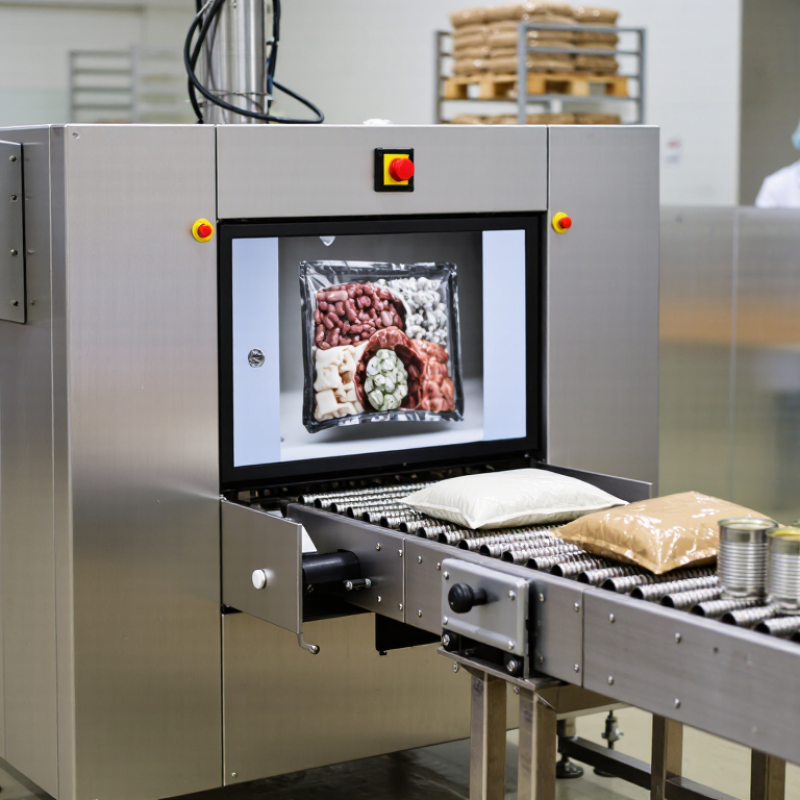
What X-Ray Inspection Is and How It Works in Food Production
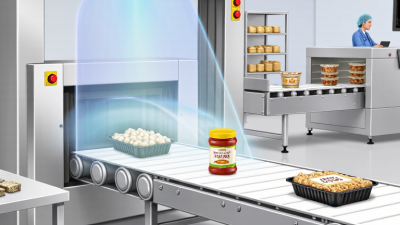
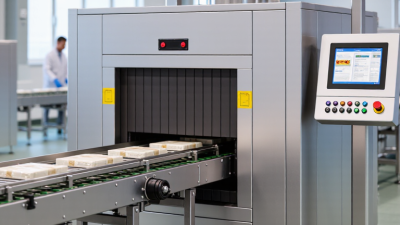
X-ray inspection uses controlled X-ray energy to examine food without opening the package. In production, a generator sends X-rays through products moving on a conveyor. Denser materials absorb more energy, creating a contrast image for the detector. This process can reveal metal, glass, stones, calcified bone, and some dense plastics.
The inspection software studies each image against expected product patterns. If an object or unusual density appears, the system signals a reject mechanism. The affected package may then leave the line automatically. This happens quickly. Operators monitor image quality, conveyor speed, and rejection timing during routine production. They also use certified test pieces to check whether the system detects known contaminants consistently.
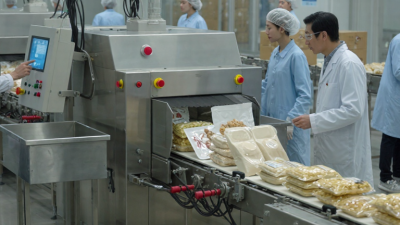
X-ray inspection can examine sealed products, including cans, cartons, and flexible packs. It may also identify missing items, broken products, or incorrect fill levels. However, it is not magic. Low-density materials can be difficult to distinguish from food, especially when the product has overlapping layers. Poor calibration, vibration, or unsuitable settings can weaken detection. Experienced teams therefore validate the equipment for each product and package format. They record checks, investigate rejected packs, and maintain clear procedures. Human review still matters. A machine can expose an unusual image, but people must question why it appeared and whether the inspection setup remains suitable.
The Main Contaminants X-Ray Systems Can Detect
Why X-Ray Inspection Matters in the Food Industry?
In a busy food production line, contamination can occur during cutting, mixing, filling, or sealing. X-ray inspection helps identify dense foreign materials before products reach customers. It can detect metal fragments, glass shards, stones, ceramic pieces, and calcified bone. Some dense plastics and rubber compounds may also appear clearly. Even a small fragment can damage equipment or create a serious consumer safety concern.
The system examines differences in product density. A contaminated area usually absorbs more X-rays than the surrounding food. For example, a glass shard inside a sealed jar may create a distinct dark or light shape on the inspection image. Operators can also check for missing products, broken pieces, poor fill levels, or damaged packaging. These checks add value because quality problems are not always visible from the outside. Fast decisions matter here.
However, X-ray inspection is not perfect. Low-density materials, such as thin film, wood, or some plant matter, may be difficult to detect. Product thickness, moisture, packaging, and machine settings also affect performance. This limitation deserves honest attention. Regular testing with suitable reference samples helps confirm that the system is working as expected. Trained staff must review rejected products and investigate the source, rather than simply removing them. A rejected pack is evidence, not an explanation.
Why X-Ray Inspection Matters for Food Safety and Quality
Why X-Ray Inspection Matters in the Food Industry?
X-ray inspection supports food safety by detecting dense foreign materials inside sealed products. It can identify metal, glass, stones, and some bone fragments without opening the package. This matters when contamination is hidden beneath sauces, fillings, or layered ingredients. A damaged product can also reveal broken seals, missing items, or unusual fill levels. These findings protect consumers and strengthen quality control records.
Tips: Calibrate equipment regularly. Test it with suitable reference pieces. Review false rejects, not only confirmed contamination. Train operators to recognize changing product conditions, such as moisture, packaging density, and temperature. Keep inspection results traceable, with clear dates and corrective actions.
Reliable inspection depends on more than advanced equipment. Food processors should validate detection settings for every product format and packaging type. Qualified technicians must check performance after maintenance, line changes, or software updates. X-ray inspection does not replace sanitation, supplier checks, or careful handling. It is one control within a broader food safety plan. In practice, settings may need adjustment more often than expected. That can be inconvenient. Still, ignoring small variations may create larger risks. Human review remains essential because unusual products can confuse automated decisions.
Why X-Ray Inspection Matters in the Food Industry
X-ray inspection helps identify dense foreign materials that may be missed by visual checks or metal detection alone.
The chart compares approximate material densities. Materials with higher density generally create stronger X-ray contrast, making contaminants such as stainless steel, glass, stone, and bone more detectable inside packaged food. Actual detection performance also depends on contaminant size, thickness, orientation, product composition, packaging, and system settings.
Reference values are approximate room-temperature densities based on commonly published engineering and material-property data.
How X-Ray Inspection Fits into Food Industry Regulations
Food safety regulations increasingly expect manufacturers to control physical hazards through documented, risk-based systems.
X-ray inspection supports this duty by detecting dense contaminants such as metal, glass, stones, and bone in sealed packs. It can also identify missing products, broken components, and fill-level changes on some production lines. The machine is not a substitute for sanitation or supplier controls.
Under HACCP-style programs and preventive-control requirements, a site should identify hazards, set suitable limits, and verify controls.
X-ray performance needs documented test pieces, scheduled calibration, rejected-pack checks, and clear corrective actions.
Operators should record the time, product code, sensitivity result, and disposition of affected packs. These records help demonstrate due diligence during audits and support traceability investigations. A practical test might place a certified test piece near the package edge, where detection can be harder. That detail matters.
Regulatory expectations differ by country, product, and risk profile, so generic compliance claims can mislead.
The inspection plan should match the hazard analysis and current guidance from relevant authorities. Validation must reflect real conditions, including foil packaging, product temperature, line speed, and moisture.
In practice, teams sometimes test centered packs and overlook awkward orientations. That weakness deserves attention. Reviewing failures openly can improve controls, training, and operator decisions.