BLOG

Why Use X Ray Inspection in the Food Industry?

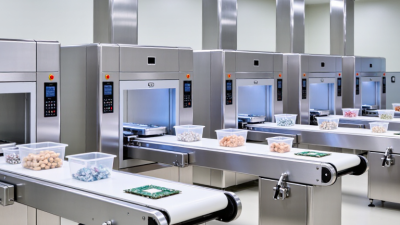
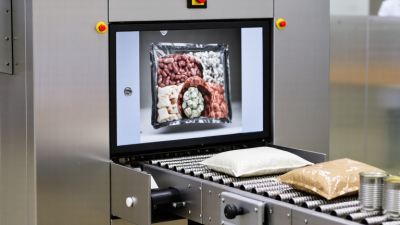
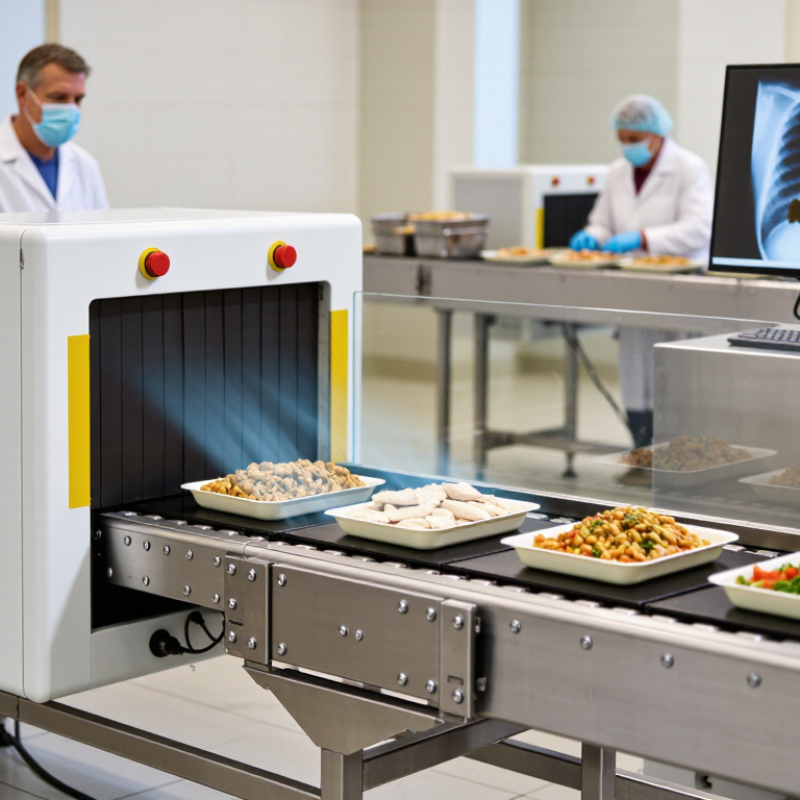
A sealed tray moves beneath an X-ray beam. On the monitor, a dense fragment may stand out against the food. This is the practical promise of x ray for food industry applications: inspection can help detect certain foreign materials, while also checking product features such as fill level or missing components. It offers another layer of control on a busy production line. Not a magic shield.

Food engineer Dr. Kevin Keener is known for his work in food processing and engineering. Without a verified source for a verbatim statement from him about X-ray inspection, it would be misleading to invent a direct quotation. A careful paraphrase of the relevant engineering principle is: “Inspection technology works best when it supports validated processes and consistent checks.” That distinction matters. X-ray systems can miss hazards under particular product, packaging, or setup conditions, so their performance needs appropriate testing and review. Teams should consider product density, line speed, packaging, and the system’s detection limits. A wet, uneven product can behave differently from a dry, uniform one. Those details deserve attention.

This article explores why manufacturers use X-ray inspection, what it can detect, and where its limits lie. It also considers how teams can assess a system for their products and production lines. The technology can strengthen a quality program, but it cannot replace careful process design, trained operators, or sound judgment. There is no perfect setting for every product. That part is easy to underestimate.
Why Use X Ray Inspection in the Food Industry?

What X-Ray Inspection Means in Food Production

What X-Ray Inspection Means in Food Production

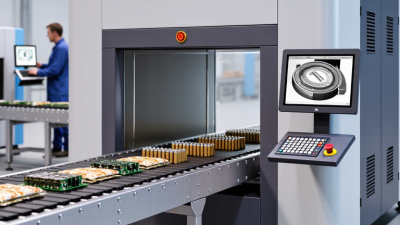
Food X-ray inspection uses controlled X-rays to examine products on a production line. As rays pass through each item, a detector records differences in density. Software analyzes the image and flags unusual shapes or dense spots for rejection or review. Operators may inspect sealed packs without opening them.

This can help find metal, glass, stones, or bone fragments, depending on their size, position, and density. Systems can also check product mass, count items, or identify missing pieces. They do not detect every hazard. In particular, X-rays are not a test for bacteria or viruses. That distinction matters.

The World Health Organization’s 2015 foodborne-disease estimates found that unsafe food caused about 600 million illnesses worldwide in 2010. The USDA Economic Research Service estimated a yearly $15.5 billion burden from 15 major foodborne pathogens in its 2015 analysis. X-ray inspection cannot prevent those illnesses on its own, but it can add a physical-contaminant check to production controls. A real limitation remains: tiny or low-density objects can be missed, especially when products overlap. Regular challenge tests, clear reject procedures, and careful review of flagged images help, though busy lines can make consistent checks harder than they sound.

Why Use X-Ray Inspection in Food Production?

X-ray inspection analyzes differences in how materials absorb X-rays. This allows food producers to identify certain dense foreign objects that may be difficult to find by visual inspection alone.

How to read the chart: A value of 1 indicates that the contaminant type can generally be detected under suitable conditions; 0 indicates it is not typically detected by that method. Actual results depend on the product, contaminant size and position, packaging, and inspection system.

How X-Ray Systems Detect Contaminants and Product Defects

Why Use X Ray Inspection in the Food Industry?

X-ray inspection helps food producers find foreign objects and product defects while items move along the production line. The system sends X-rays through each product and measures how much energy reaches its detector. Dense areas appear differently in the image. This can reveal metal, glass, stones, or some bone fragments inside packaged food. It can also flag missing pieces, broken items, or inconsistent product shape when the system is set up for those checks. Small differences matter.

Detection is not automatic or universal. Results depend on the product’s density, package, orientation, and line speed. Low-density contaminants can be difficult to distinguish from food, and overlapping pieces may hide defects. A well-tuned system uses product-specific settings and a reliable reject mechanism to remove flagged items. Operators should check performance regularly with appropriate test pieces and review rejection records. Even then, no inspection step catches everything; that limitation deserves honest attention.

Tips: Test the system using samples that reflect real production conditions. Check that rejected packs actually leave the line, and investigate repeated false alarms. Keep settings and checks documented. A quick visual glance is not enough.

Which Food Safety and Quality Risks X-Ray Inspection Addresses

X-ray inspection helps food producers find physical hazards hidden inside sealed packs. Depending on product and packaging, systems can detect metal fragments, glass, stones, mineral deposits, and some bone. The U.S. Food and Drug Administration’s guidance on hard or sharp foreign objects identifies pieces measuring 7–25 mm as potential injury risks in many foods, while noting that risk depends on the food and circumstances. Small objects matter, too.

Detection depends on density contrast. A glass fragment may stand out in a low-density snack but blend into a dense product. X-ray systems can also flag missing pieces, uneven fill, or damaged products, supporting quality checks alongside contamination controls. Results should be verified with test pieces and routine reject checks; a poorly positioned reject mechanism can undo good detection.

Important boundary. X-ray inspection does not reliably detect bacteria, viruses, or most allergens. The World Health Organization’s 2015 foodborne disease estimates attributed about 600 million illnesses and 420,000 deaths worldwide to contaminated food each year. These figures reinforce the need for layered controls, including hygiene and allergen management. Inspection settings also need review when recipes, pack materials, or product sizes change. Real lines vary.

How X-Ray Inspection Supports Production Efficiency and Compliance

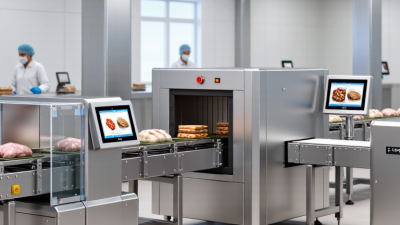
On a busy food line, X-ray inspection can examine packaged products as they move through production. It measures differences in density, helping identify certain foreign materials that visual checks may miss. Depending on the product and system, it can also flag missing pieces, broken items, or inconsistent fill levels. A reject mechanism can remove a suspect pack without stopping the entire line. That can reduce manual checking and keep output steadier. Small details matter: a dented can or unevenly filled pouch may change the image and affect inspection results.

X-ray inspection also supports compliance by creating records of checks, rejects, and system performance. These records can help teams investigate a quality concern or prepare for an audit. They do not guarantee compliance on their own. Staff need documented procedures, routine maintenance, and product-specific validation. Test pieces should pass through the line at relevant positions, and the reject system must be checked regularly. Real lines are messy. False rejects can interrupt a shift, but reviewing them may reveal a drifting setting or a product change. Packaging, temperature, and product variation can all affect results, so inspection settings need review when conditions change.

What to Consider When Integrating X-Ray Inspection into a Food Line

Integrating X-ray inspection begins with the product, not the machine. A frozen meal in a foil tray behaves differently from a soft loaf in a light wrapper. Product thickness, density, temperature, and packaging can affect image contrast. Record normal variation, including recipe changes and seasonal differences. Match the system’s aperture and conveyor speed to the actual line, not an ideal test setup. Also consider inspection spacing: a long gap before packing can complicate product tracking. Small details matter.

Plan for cleaning. Consider how rejected items leave the line. A pusher or air blast needs room, guarding, and a clearly managed reject bin. Test rejection at normal speed, during start-up, and when the belt is nearly full. Challenge samples should reflect the contaminants and product conditions the facility needs to detect; performance can vary with size, position, and orientation. Confirm shielding and interlocks are appropriate, and make maintenance access practical. Train operators to respond to alarms without bypassing checks. Keep records of settings, test results, and corrective actions. In practice, the first layout is rarely the final one. Even experienced teams can miss a weak handoff, so review the setup after product or line changes, however minor they seem.

Why Use X-Ray Inspection in the Food Industry? - What to Consider When Integrating X-Ray Inspection into a Food Line

Inspection Area What X-Ray Inspection Can Do Food-Line Integration Considerations Practical Verification
Foreign-body detection Can identify many dense foreign materials, including metal, glass, mineral stone, and some bone, when they create enough contrast with the product. Detection depends on material, contaminant size and position, product thickness, packaging, and inspection settings. No system detects every contaminant in every product. Challenge the system with representative test pieces placed in different product locations and orientations. Record the results by product and line condition.
Packaged-product inspection Inspects through many common food packages, including flexible films, cartons, and some containers, without relying on visible-light transparency. Packaging material and product geometry can affect the image. Confirm compatibility using the actual package, seal, product fill, and line configuration. Test finished packs at normal operating conditions, including the thickest or densest product presentation expected.
Product integrity Depending on system capability, image analysis can check for missing items, count components, or identify certain product-shape and fill inconsistencies. Define acceptable product variation and rejection rules. Natural differences in food size, shape, and density can influence inspection results. Run representative good and intentionally nonconforming samples. Confirm that settings distinguish defects without excessive false rejects.
Line speed and handling Can inspect products moving on a production conveyor and trigger a reject device when a defined inspection rule is met. Match the inspection system and reject mechanism to product spacing, conveyor speed, package orientation, and available line space. Prevent rejected items from re-entering production unnoticed. Verify detection and rejection at the fastest intended line speed. Confirm reject timing, alarms, and reject-bin monitoring.
Product effect Evaluates differences in X-ray absorption, rather than color or surface appearance. Dense or uneven products, overlapping items, and variable product thickness may reduce contrast or complicate image interpretation. Salt or moisture is not, by itself, a guarantee of detection or interference; the actual product should be tested. Validate across normal product variation, including relevant recipe, size, temperature, and presentation changes.
Hygiene and cleanability Provides an inspection point that can be incorporated into a food-processing line. Choose equipment and installation details suited to the area’s washdown, dust, temperature, and sanitation requirements. Avoid creating hard-to-clean ledges or inaccessible spaces. Review cleaning procedures and inspect the installed equipment for hygienic access, drainage, and protection of electrical components.
Radiation safety Uses an electrically generated X-ray source for inspection; the system should include appropriate shielding and safety interlocks. Install and operate equipment according to applicable local radiation-safety rules and the manufacturer’s instructions. Do not bypass interlocks or shielding. Complete required installation checks, operator training, and routine safety inspections in line with local regulations.
Quality-system validation Can support a documented foreign-material control program as one inspection step within a broader food-safety system. Set documented procedures for start-up checks, product changes, failed tests, rejected product, corrective action, and record retention. Establish a risk-based verification schedule and maintain records of test results, reject events, maintenance, and corrective actions.

Integration principle: Select and validate an X-ray system using the actual product, package, contaminant risks, and operating conditions. Inspection performance is application-specific and should be confirmed through documented testing.