10 Tips to Choose the Best X Ray Food Inspection Systems?
Food safety failures are rarely dramatic at the inspection point. A small metal fragment, dense bone, or glass shard can pass unnoticed when equipment settings, product flow, or operator attention are inconsistent. The World Health Organization estimates that contaminated food causes about 600 million illnesses and 420,000 deaths worldwide each year. That figure gives every inspection decision practical weight.
This guide examines 10 tips for choosing the best x ray food inspection systems, using operational evidence rather than attractive specifications alone. The FDA’s Preventive Controls for Human Food rule, 21 CFR Part 117, places hazard analysis and risk-based preventive controls at the center of food manufacturing. X-ray inspection should support that system, not replace it. GFSI Benchmarking Requirements also reinforce documented controls, verification, corrective action, and continual improvement across certified food operations.
Look closely at real production conditions. A chilled ready-meal line may require different energy levels than a dry snack line. Product density, packaging film, conveyor speed, moisture, and temperature can change detection performance. A factory manager should compare test-piece results, reject accuracy, sanitation access, software records, and service response times. Not just image quality.
No system is perfect.
Even strong equipment needs validation, routine challenge testing, staff training, and honest review of false rejects. The PMMI State of the Industry reports consistently show that automation investment must address labor, uptime, and production efficiency together. Therefore, the right purchase is not always the most expensive machine. It is the system that identifies relevant contaminants, fits the line, produces reliable records, and remains usable during a demanding night shift.
Understanding X-Ray Food Inspection Systems and Their Core Functions
Understanding X-Ray Food Inspection Systems and Their Core Functions
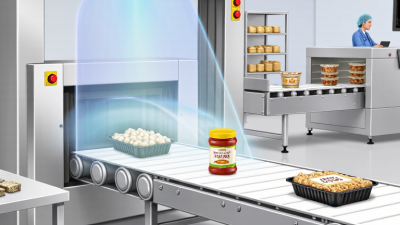
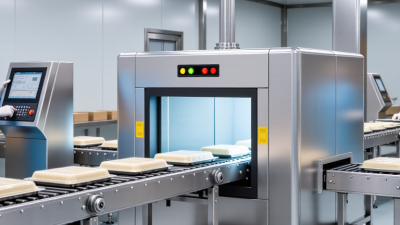
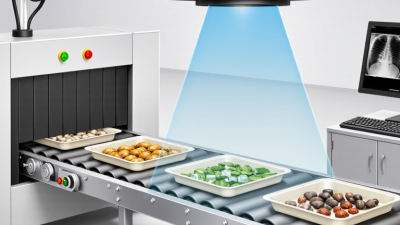
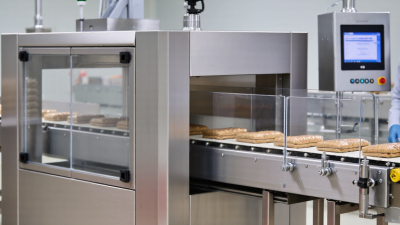
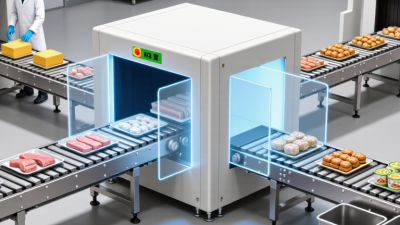
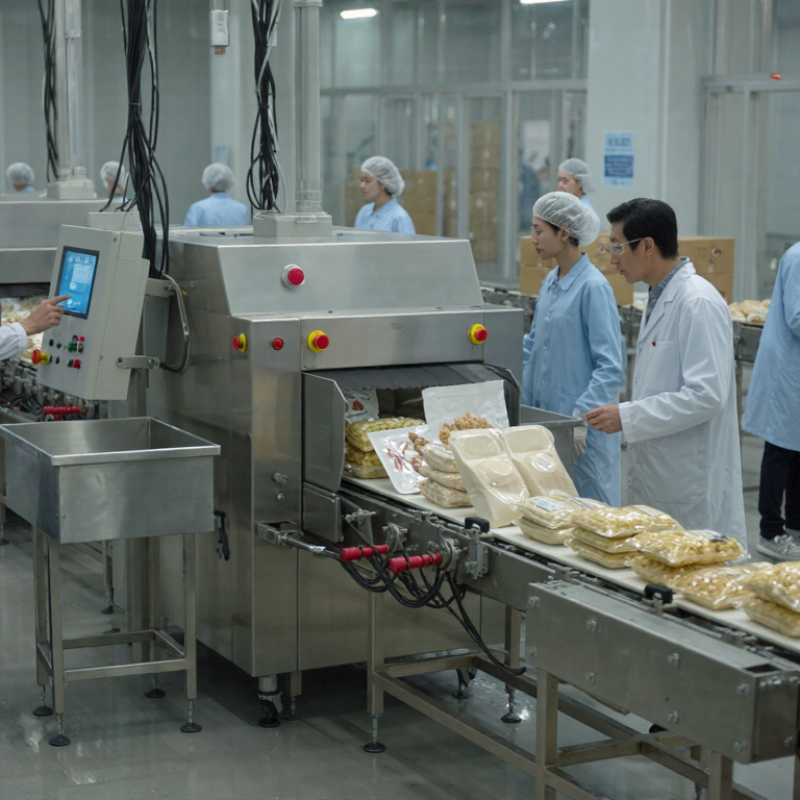
X-ray food inspection systems examine packaged products without opening them. They detect dense contaminants, such as metal, glass, stones, and calcified fragments. The system also checks missing items, broken products, poor seals, and uneven fill levels. Its core functions include image generation, density comparison, automatic rejection, and inspection data recording. In practical production, stable performance depends on correct calibration, clean equipment, and consistent product presentation.
Tip one: Define the hazards your process can realistically produce. Tip two: Match detection sensitivity with package size and product density. Tip three: Check whether the system supports your line speed. Tip four: Confirm that rejection devices remove suspect packs reliably. A short test is useful. It may expose problems that brochures hide.
Tip five: Review image quality under different product temperatures. Tip six: Choose controls that operators can understand quickly. Tip seven: Require traceable inspection records for every production batch. Tip eight: Examine cleaning access around belts and tunnels. Tip nine: Verify alarm performance during routine maintenance. Tip ten: Train staff to investigate repeated rejects, not simply reset them. I have seen teams overtrust automatic decisions, especially during busy shifts. That weakness deserves attention. Independent validation, documented procedures, and scheduled performance checks make the system more dependable. Still, no inspection machine replaces careful process control upstream.
Defining Inspection Requirements for Different Food Products
10 Tips to Choose the Best X Ray Food Inspection Systems?
Defining Inspection Requirements for Different Food Products
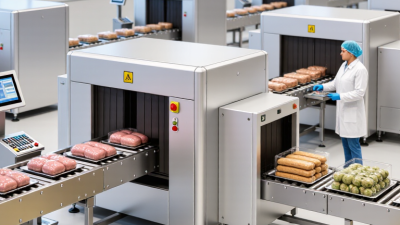
Choosing an X-ray food inspection system starts with the product, not the machine. Dense foods, such as meat blocks or cheese, can weaken image contrast. Moist products may need different settings from dry snacks. Glass jars, foil trays, and flexible pouches also create distinct inspection challenges. Test the real product.
Define the contaminants that matter most. Metal, glass, mineral stone, and calcified bone may require different detection performance. Product thickness, package shape, temperature, and production speed also affect results. A system should inspect the largest acceptable package, not only an easy sample. Record the smallest test pieces detected consistently during realistic production trials. That is not enough. Include good products with natural variation, such as uneven filling or dense ingredients.
Inspection requirements should also reflect risk assessment, customer specifications, and applicable food safety standards. Ask how the system handles rejected packs, line stoppages, data storage, and routine verification. False rejects waste food and time, while missed contaminants can damage consumer trust. No setting is perfect. Some trials reveal unexpected weaknesses, especially when recipes change or packaging becomes thicker. Recheck performance after maintenance, software adjustments, and product changeovers. Experienced quality teams review test results with production operators, because practical handling problems often remain invisible in technical documents.
10 Tips to Choose the Best X-Ray Food Inspection Systems
Defining Inspection Requirements for Different Food Products
Product density is an important starting point when defining X-ray inspection requirements.
Denser products may reduce image contrast, so system selection should also consider package
material, product thickness, line speed, orientation, and the contaminants that must be detected.
The values shown are representative nominal densities for common food-product groups.
Actual inspection performance must be verified using production samples and documented validation tests.
Evaluating Safety Standards, Software Features, and Ease of Use
Choosing the best X-ray food inspection system starts with safety standards, not screen size. Codex Alimentarius recommends validated hazard controls within a documented food safety system. The WHO estimates that contaminated food causes 600 million illnesses each year. That figure makes verification more than a purchasing detail. Check detection performance using certified test pieces, different product densities, and realistic production speeds. Record sensitivity results for metal, glass, stone, and calcified bone where relevant. Ask for calibration records and clear procedures after a failed test.
Software quality separates a dependable system from an expensive camera. Look for automatic product recipes, password-controlled access, electronic audit trails, and reject confirmation. The system should show who changed a setting, when it changed, and why. Useful dashboards track false rejects, downtime, alarms, and test-piece failures. Integration with production records can support HACCP reviews and traceability. Avoid impressive graphics that hide weak reporting. Simple evidence wins audits.
Ease of use appears at 3 a.m. An operator wearing gloves should load a recipe without guessing. Menus need plain language, large controls, and fast alarm recovery. Cleaning access matters around conveyors, seals, and reject bins. Training should include realistic faults, not only normal operation. During site trials, observe operators quietly; they may reveal problems managers miss. I would still challenge every supplier’s “easy” claim. A short trial often exposes confusing prompts, slow recipe changes, or excessive false rejects. The right system protects safety without turning production into a daily struggle.
Assessing Maintenance Needs, Costs, and Supplier Support
Maintenance needs should be assessed before comparing X-ray food inspection systems.
Ask how often generators, detectors, belts, and cooling fans require servicing. A clean production room exposes weak designs quickly. Powder can enter seals, while washdown water tests every enclosure.
McKinsey’s maintenance research reports that predictive maintenance can reduce machine downtime by 30–50% and lower maintenance costs by 10–40%. These figures are not guaranteed for every inspection line. Still, they support choosing systems with condition monitoring, accessible components, and clear service records.
Request realistic maintenance intervals, spare-part prices, and technician response times. A low purchase price may become expensive after repeated stoppages. Check the warranty carefully. Some contracts exclude labor, travel, or calibration.
Supplier support also affects food safety performance. Deloitte’s 2023 smart manufacturing research found that 86% of surveyed leaders considered smart manufacturing important for competitiveness within five years. That trend makes remote diagnostics attractive, but connectivity should not replace practical help. Confirm training, installation supervision, software updates, and local technical coverage. Ask for a documented escalation process during weekend production. Test the supplier with a difficult question before purchasing. Vague answers are useful warning signs. One imperfect assumption remains common: buyers often estimate energy and service costs for one year only. A five-year ownership worksheet gives a more honest comparison, including downtime, verification tools, staff training, and emergency visits.