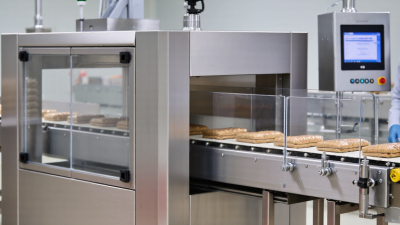
How Does Food Xray Inspection Work?
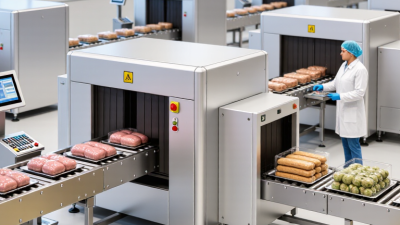
Food xray inspection helps manufacturers examine packaged products without opening them. It sends controlled X-ray energy through food and packaging. A detector then measures how much energy passes through each area. Dense materials appear as darker or brighter contrasts, depending on the imaging system. This can reveal metal, glass, stones, mineral fragments, and dense bone pieces.
It is not magic. Product texture, moisture, package shape, and line speed can affect detection performance. A sealed tray moving quickly under the beam may contain a small foreign object near its edge. The software must still recognize it. If contamination is detected, an automatic reject device removes the affected product from the line. Good systems also record images, test results, and rejection events. These records support traceability and process improvement.
Dr. David Acheson, a former FDA Associate Commissioner for Foods, has stressed, “Food safety is a shared responsibility.” That principle fits food xray inspection well. The machine supports trained operators, preventive controls, sanitation, and careful supplier management. It does not replace them. Calibration is essential. So is realistic testing with certified test pieces placed inside actual products. Operators should review false rejects, too. Waste can quietly increase when settings become overly sensitive. A clear image is helpful, but never absolute proof. Conditions change during production. This guide explains how food xray systems create images, evaluate density differences, and protect consistent quality. It also considers practical limits, because reliable inspection depends on both technology and human judgment.
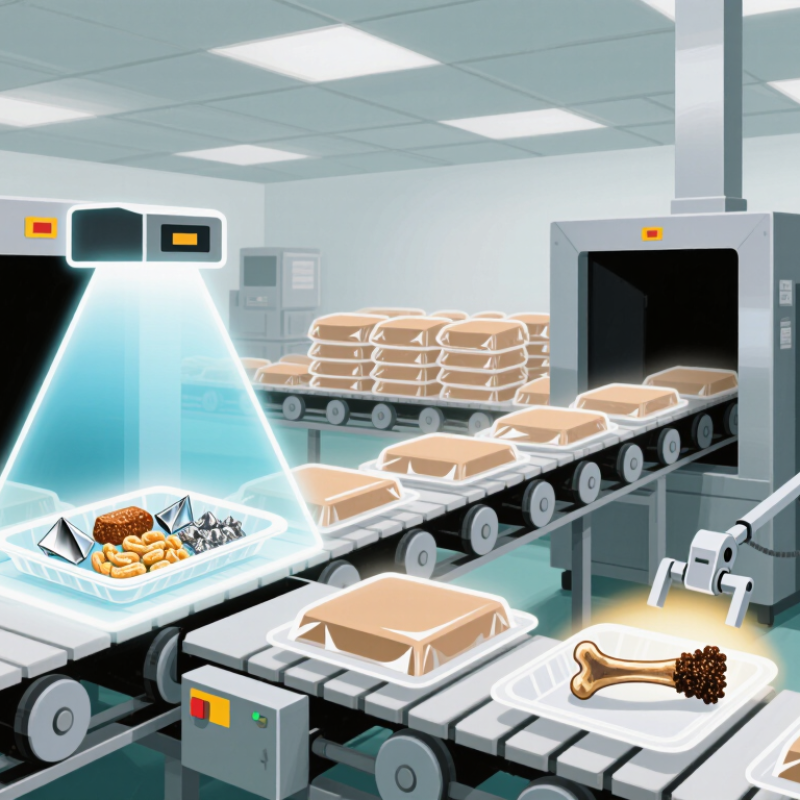
X-Ray Generation at Typical 50–150 kV for Food Inspection
How Does Food X-Ray Inspection Work?
X-ray generation at typical 50–150 kV for food inspection begins inside a sealed tube. A heated cathode releases electrons toward a metal target. Their sudden deceleration creates X-rays. The selected voltage controls photon energy, while tube current controls output quantity. Lower settings can reveal subtle density differences in thin products. Higher settings penetrate dense food, thick cartons, and layered packaging more effectively. The physics is direct.
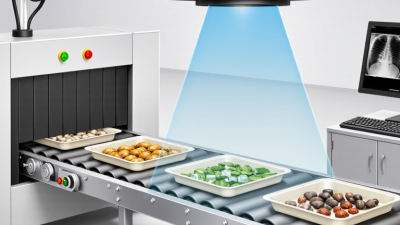
As X-rays pass through a sealed pouch, each material absorbs a different amount of energy. A detector records these differences as a grayscale image. Dense objects, such as glass, stones, and bone fragments, usually appear darker than the surrounding food. Software then compares image areas against learned limits. A pneumatic mechanism can remove a suspect pack without opening the production line. WHO estimates that foodborne disease affects about 600 million people annually, with 420,000 deaths worldwide. This makes practical verification more than a quality preference.
Real performance depends on product density, package position, belt speed, and detector calibration. A 100 kV setting is not automatically better than 60 kV. It may improve penetration but reduce contrast between similar materials. FSA’s Foodborne Disease Estimates for the UK reported approximately 2.4 million cases yearly, showing why prevention needs multiple controls. X-ray inspection cannot detect every hazard, especially low-density plastic or tightly overlapping defects. Calibration still matters. Operators should challenge the system with validated test pieces and review rejected images. In practice, one overlooked product change can make yesterday’s settings unreliable.
Food Attenuation: How Density Differences Form a Grayscale Image
How Does Food Xray Inspection Work?
Food X-ray inspection measures how strongly each product area reduces the X-ray beam. This process is called attenuation. Dense materials absorb or weaken more radiation than lighter materials. The detector records these differences and converts them into shades of gray. Dense bones, stones, or metal fragments usually appear darker or lighter, depending on the system’s image settings. Air pockets and low-density ingredients create contrasting areas. The result resembles a detailed shadow map of the food.
In practical inspections, trained operators compare the grayscale image with the product’s expected shape and texture. A sealed package may show a small, sharp contrast from a fragment. Uneven ingredients can create confusing patterns. A thick sauce layer may look denser than a dry section. The image is not a perfect map. Interpretation still requires calibration, product testing, and human judgment. I have found that small changes in moisture or portion depth can affect image clarity. That limitation deserves attention.
Tips: Set detection limits using real product samples. Include normal variations during testing. Check image quality at different belt speeds. Keep packaging thickness consistent when possible. Review unusual grayscale patterns instead of relying on color alone. A second inspection can prevent an uncertain image from being dismissed too quickly.
Line-Scan Detection at Conveyor Speeds Up to 1 m/s
How Does Food Xray Inspection Work?
Line-scan detection allows food inspection while products move at conveyor speeds up to 1 m/s. An X-ray generator sends low-energy beams through each product. A detector measures how much energy passes through it. Dense materials, such as metal, glass, stone, and compacted bone, absorb more radiation. The system converts these differences into a live grayscale image. At 1 m/s, a product travels one metre every second, so timing and detector resolution must remain synchronized. Even a small delay can shift the image and weaken rejection accuracy.
In practical production, operators first establish reference images using approved test pieces. They then verify sensitivity at different product positions and packaging formats. This matters because thick sauces, folded film, and overlapping items can create confusing shadows. The World Health Organization estimates that contaminated food causes about 600 million illnesses and 420,000 deaths globally each year (WHO, Estimates of the Global Burden of Foodborne Diseases, 2015). X-ray inspection cannot control every hazard, but it supports HACCP-based preventive controls and documented verification. It is not a perfect shield. That assumption is risky.
Tips: Keep the conveyor stable and inspect belt wear regularly. Confirm rejection timing at the fastest operating speed. Use certified test pieces, record every challenge result, and review false rejects. A clean image can still hide a poorly positioned product. Calibration needs attention after maintenance, format changes, or sensor adjustments.
Contaminant Identification Down to Approximately 0.3 mm
How Does Food Xray Inspection Work?
Contaminant Identification Down to Approximately 0.3 mm
Food X-ray inspection passes controlled X-ray energy through packaged products. A detector records how much energy reaches each pixel. Dense particles absorb more energy than food, film, or air. Software compares these signals with an inspection model. It highlights unusual shapes, densities, and positions. In suitable products, systems may identify contaminants near approximately 0.3 mm. This figure is not universal. Product thickness, moisture, speed, and contaminant type all matter.
In a real production line, technicians begin with calibration pieces and representative products. They check sensitivity at different belt speeds and package locations. A stainless-steel fragment may appear differently from glass or mineral stone. Uneven food texture can also create confusing shadows. False alarms happen. The system should reject suspect packs without damaging neighboring products. Operators review images, record results, and investigate repeated alarms. That human review matters. Automation supports judgment; it does not replace process control.
Reliable inspection depends on clean test standards, stable X-ray settings, and scheduled verification. Packaging changes require fresh validation. Small contaminants can hide near seals, corners, or dense ingredients. No detector sees every contaminant equally well. That limitation deserves honest attention. Experience shows that strong results combine inspection data with hygiene checks, equipment maintenance, and careful root-cause work. A missed alarm should trigger learning, not quiet acceptance.
How Does Food X-ray Inspection Work?
X-ray inspection identifies foreign materials by detecting differences in X-ray absorption. Dense contaminants create stronger contrast against the food product. Under suitable product and machine conditions, modern systems can identify contaminants down to approximately 0.3 mm.
Reference densities are approximate values at room temperature: aluminum 2.70 g/cm³, glass 2.50 g/cm³, stone 2.60 g/cm³, bone 1.90 g/cm³, and stainless steel 8.00 g/cm³. Actual detection performance depends on contaminant size, density, product composition, packaging, X-ray energy, and system settings.
Automatic Rejection and HACCP-Based Inspection Verification
How Does Food X-ray Inspection Work?
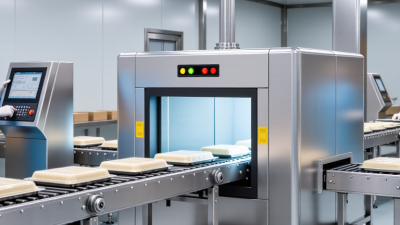
Food X-ray inspection scans sealed products as they move along a conveyor. Different materials absorb X-rays at different levels. The system compares each image with programmed acceptance limits. It can detect dense contaminants, such as glass, stones, metal, and some bone fragments. It can also identify missing products, damaged packages, and incorrect fill levels.
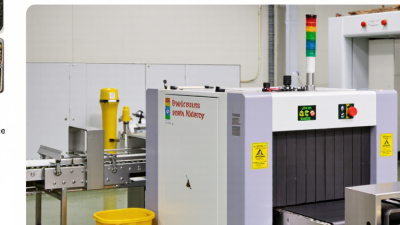
Automatic rejection must happen quickly and reliably. When the software detects a suspected contaminant, a timed air blast or mechanical diverter removes the product. The rejected item enters a secure, clearly identified container. HACCP-based verification checks whether this control works during real production. Operators use certified test pieces at planned intervals, record the results, and confirm that alarms, rejection devices, and line stops respond correctly. These records support traceability and help demonstrate control during audits.
Tips:
Test at start-up, after product changes, and after maintenance. Place test pieces inside representative packs when practical. Check the reject bin, not only the screen. Keep products aligned and control conveyor speed. Small package changes can affect sensitivity. X-ray inspection is powerful, but it is not magic. Poor calibration, vibration, or careless testing can create false rejects or missed contamination. Our practical experience suggests reviewing failed tests immediately, even when the cause seems obvious. A clean record is useful; an honest investigation is better.