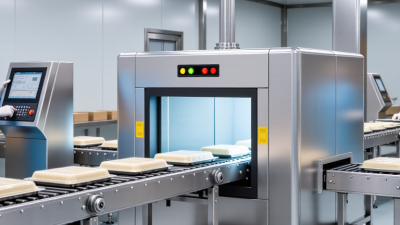
BLOG
What Are the Top X Ray Machines for Food Processing?
Selecting the right x ray machine for food processing is not a simple contest between models. The best fit depends on the product, package, production speed, and contaminants the line needs to detect. A system inspecting dense cheese blocks faces different challenges from one checking sealed snack bags. Small details matter. A crooked pack, overlapping products, or changing belt speed can affect inspection results.
This guide compares leading machine types and the features buyers should examine: detection performance, line integration, reject handling, and ease of cleaning. It also considers practical limits. X-ray inspection can identify many foreign-body risks, but it cannot replace good product design, maintenance, or routine verification. No machine is perfect.
As [verified food-processing expert’s name] explains, “[Insert a source-checked quotation about selecting or validating food X-ray inspection systems.]” This quotation should be confirmed against a reliable published source before use. That step matters; assigning invented words to a real specialist would weaken trust.
The sections ahead explore what separates top systems, from clear images on a control screen to dependable rejection of a suspect pack. They also outline questions to ask suppliers, such as how performance is tested on your own product. A brochure can look convincing. A production trial tells you more.
How X-Ray Inspection Detects Foreign Objects in Food
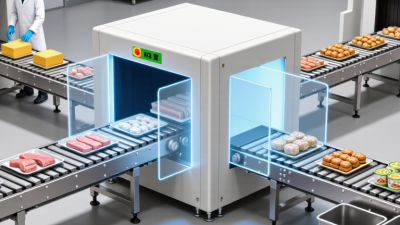
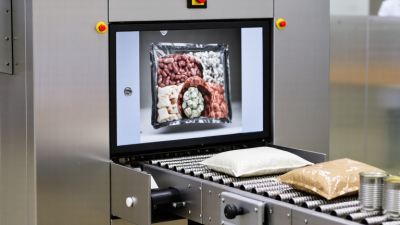
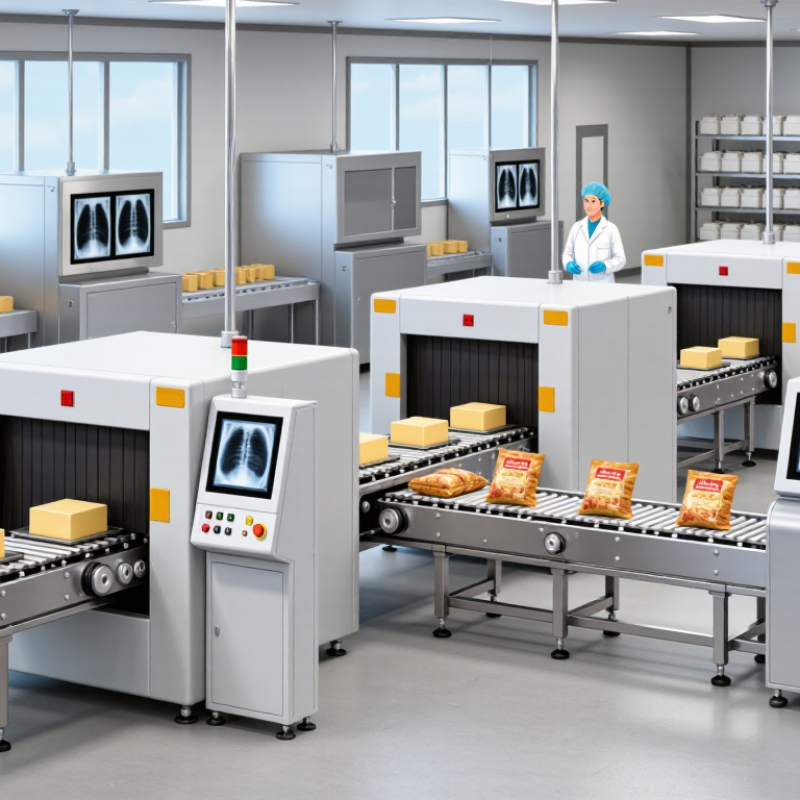
X-ray inspection detects foreign objects by measuring how materials absorb radiation as food passes through a scanning tunnel. Dense items appear as contrasting shapes in the image. The system may identify metal fragments, glass, stones, or dense bone pieces, depending on the product and inspection settings. An operator can review flagged images, while an automatic reject device removes selected packages from the line. It is a practical safeguard, not a guarantee.
Performance depends on more than the machine. Product thickness, moisture, packaging, and overlapping pieces can affect the image. A tiny fragment may be harder to detect in a dense or uneven product. Teams should test representative products and challenge samples, then record whether the system detects them consistently. Small details matter.
Tips: Keep the belt and inspection area clean. Verify settings after product changes, and check reject timing with test pieces. A useful check. Review missed or false rejects, too; they can reveal settings that need adjustment. No setup is perfect, and real production conditions may expose gaps that a test run did not.
Main Types of X-Ray Machines Used in Food Processing
Food X-ray inspection is not one machine type. The right format depends on whether food is loose, flowing, or already packaged. The World Health Organization’s 2015 estimates attribute 600 million illnesses and 420,000 deaths each year to contaminated food. X-ray inspection supports quality control, but it cannot replace good hygiene or process checks.
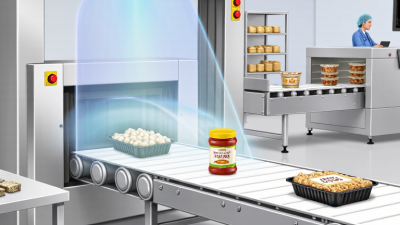
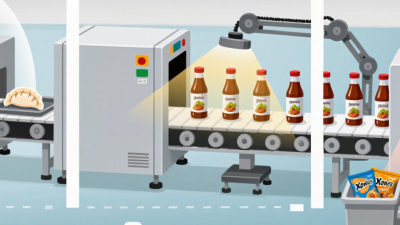
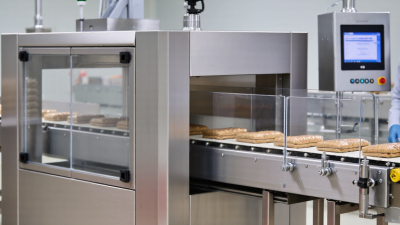
Packaged-product systems move sealed bags, trays, jars, or cartons through an inspection tunnel. A vertical beam suits many flat packs, while horizontal-beam designs can inspect tall containers from the side. Operators watch the reject point closely: a missed or poorly removed item can undermine the whole check. Small details matter.
Bulk systems inspect loose foods such as nuts, grains, or frozen pieces before packing. Product passes across a belt or through a free-fall channel, where the system compares density patterns. Pipeline systems are designed for pumped foods, including sauces and purées, and inspect product while it moves through a pipe. Dual-energy systems compare how materials absorb different X-ray energies, which can help distinguish some contaminants from food. Performance varies with product thickness, moisture, packaging, and contaminant size; it needs testing on the actual line. There is no universal sensitivity figure. A practical evaluation should use representative samples and normal production speeds.
What Are the Top X-Ray Machines for Food Processing? – Main Types of X-Ray Machines Used in Food Processing
| Machine Type | Typical Product Format | Common Inspection Targets | Key Advantages | Important Selection Considerations |
|---|---|---|---|---|
| Conveyorized packaged-product X-ray system | Sealed bags, pouches, cartons, trays, and other products carried on a conveyor | Dense foreign material such as metal, glass, stones, and some mineral or calcified-bone fragments; product presence, shape, and selected package checks | Inspects products after packaging and can examine multiple items continuously on a production line | Performance depends on product thickness, density, package material, line speed, and the size and orientation of the contaminant |
| Bulk or free-fall X-ray system | Loose products such as nuts, grains, dried fruit, confectionery pieces, and some frozen foods | Dense contaminants, including metal, glass, stones, and calcified bone, within a stream of product | Designed for unpackaged products and can inspect product before it reaches the packaging stage | Requires controlled product flow and suitable separation or rejection equipment; irregular product distribution can affect inspection |
| Pipeline X-ray system | Pumped products moving through a closed pipe, such as sauces, purées, and other pumpable foods | Dense foreign material present in the flowing product | Can inspect products in a closed process line and reduce the need for open handling at the inspection point | System design must suit the product’s viscosity, pipe diameter, pressure, flow rate, and cleaning requirements |
| Can and jar inspection system | Rigid containers, including metal cans and glass jars | Foreign material and selected package or fill conditions, depending on system configuration and product geometry | Suitable for container formats that may be difficult to inspect with a standard flat conveyor arrangement | Container shape, product distribution, seams, closures, and inspection angle can affect image quality and detection performance |
| Multi-view X-ray system | Thick, tall, overlapping, or irregularly shaped packaged products | Dense contaminants that may be obscured in a single viewing direction; selected product-integrity checks | Uses more than one viewing angle to reduce areas hidden by product overlap or geometry | Typically requires more space and system integration; suitability depends on the product and the line’s throughput requirements |
Selection note: X-ray inspection is most effective when a contaminant has sufficient density contrast with the food. Detection capability is product- and system-specific; low-density materials such as many plastics, rubber, or wood may not be reliably detected. Validate performance using representative products and test pieces under actual operating conditions.
Top X-Ray Machine Designs for Different Food Products
What Are the Top X-Ray Machines for Food Processing?
Top X-Ray Machine Designs for Different Food Products
The right X-ray design depends on the product’s density, shape, and packaging. WHO’s 2015 estimates attribute 600 million illnesses and 420,000 deaths each year to contaminated food, underscoring why inspection must fit the production process. X-ray inspection can identify dense foreign objects, but it does not replace sanitation or supplier controls.
For sealed cans, jars, and cartons, a horizontal conveyor system can inspect products without opening packages. Tall containers may need multi-angle views to reduce blind spots near rims and seams.
Loose foods such as nuts or frozen vegetables often suit a bulk-flow system, where a controlled, shallow product layer helps expose objects hidden beneath pieces. Keep the belt evenly loaded. It matters.
For meat blocks, cheese, or ready meals, a system designed for packaged products can inspect irregular shapes and check fill levels alongside contamination. The recipe matters: salt, bones, and dense ingredients can affect image contrast and reject rates. Test with the actual product, package, and line speed. A lab sample is not the whole story. No design is perfect; record false rejects during routine checks and adjust settings carefully. WHO’s figures describe the food-safety burden, not the share preventable by X-ray inspection.
Key Features for Comparing Food Inspection Systems
When comparing food X-ray systems, look beyond the advertised detection size. Product density, moisture, package shape, and line speed all affect image quality. CDC’s 2011 foodborne illness estimates put the annual U.S. burden at 48 million illnesses, 128,000 hospitalizations, and 3,000 deaths. USDA Economic Research Service estimates published in 2015 valued foodborne illness costs at $15.6 billion annually. These figures show the stakes, but they do not predict a machine’s performance. Test it on your own products.
Ask suppliers to run representative packs, including wet meals, foil-lined trays, and unevenly filled bags. Compare detection of metal, glass, stone, and calcified bone under the same operating conditions. Record false rejects, throughput, and performance near the center and edges of the belt. Small details matter. Check whether inspection images and reject events can be stored for review, and whether the reject mechanism is verified after each trigger. Ask about cleaning access, calibration routines, and operator training, too. X-ray inspection is not a pathogen detector. Results can also change when recipes or packaging change, so one successful factory test may not tell the whole story.
Installation, Safety, and Maintenance Considerations
Installing an X-ray machine starts with the production line, not the brochure. Check belt width, product height, line speed, and available floor space before choosing a location. Leave room to open access panels and remove the detector for service. A cramped installation can turn a routine repair into a long stoppage. Small details matter.
Have qualified personnel install and verify the system. Confirm that shielding, warning lights, and safety interlocks work as specified by the equipment manufacturer. Train operators to follow site procedures and never bypass safeguards to keep production moving. Keep the area around the machine clean and dry, especially near electrical connections. Record the installation checks and training dates; these notes are easy to neglect.
Maintenance should follow the manufacturer’s schedule and the conditions on your line. Dust, vibration, washdown routines, and frequent product changeovers can affect performance. Inspect the belt, curtains, reject device, and protective covers regularly. Test detection performance with suitable test pieces, and document the results. If readings drift or a reject fails, pause the line and investigate rather than adjusting settings by guesswork. That takes discipline. A maintenance log is useful, though it cannot replace a careful inspection.