BLOG

Top 10 Food X Ray Inspection Equipment Manufacturers?

Choosing reliable food x ray inspection equipment manufacturers requires more than comparing brand names or machine prices. Food processors need systems that detect metal, glass, stone, bone, and dense plastic while protecting product quality and production speed. They also need practical support, clear validation records, hygienic construction, and dependable software.

Dr. David Acheson, former Associate Commissioner for Foods at the U.S. Food and Drug Administration, has stated, “Food safety is a shared responsibility.” That principle fits every inspection line. Manufacturers design the technology, but processors must install, test, maintain, and document it correctly. A powerful scanner cannot compensate for poor calibration or weak operator training.

This Top 10 Food X Ray Inspection Equipment Manufacturers guide examines companies through an evidence-based lens. It considers detection sensitivity, conveyor integration, reject accuracy, product learning, cleaning access, service coverage, and compliance support. It also considers real factory conditions, including wet environments, uneven packs, foil containers, and changing product temperatures.

Performance matters.

However, no ranking is permanent. A supplier with excellent imaging may provide limited local service. Another may offer strong support but fewer specialized options. Claims can also look impressive until tested on a difficult product. Therefore, buyers should request samples, factory trials, performance data, and references from similar facilities.

The selected manufacturers represent established expertise, but this list should support careful evaluation, not replace it. The best food x ray inspection equipment is the system that delivers consistent protection, measurable results, and practical value throughout its operating life.
Top 10 Food X Ray Inspection Equipment Manufacturers?

Food X-Ray Inspection Equipment: Principles, Uses, and 0.5 mR/h Limits

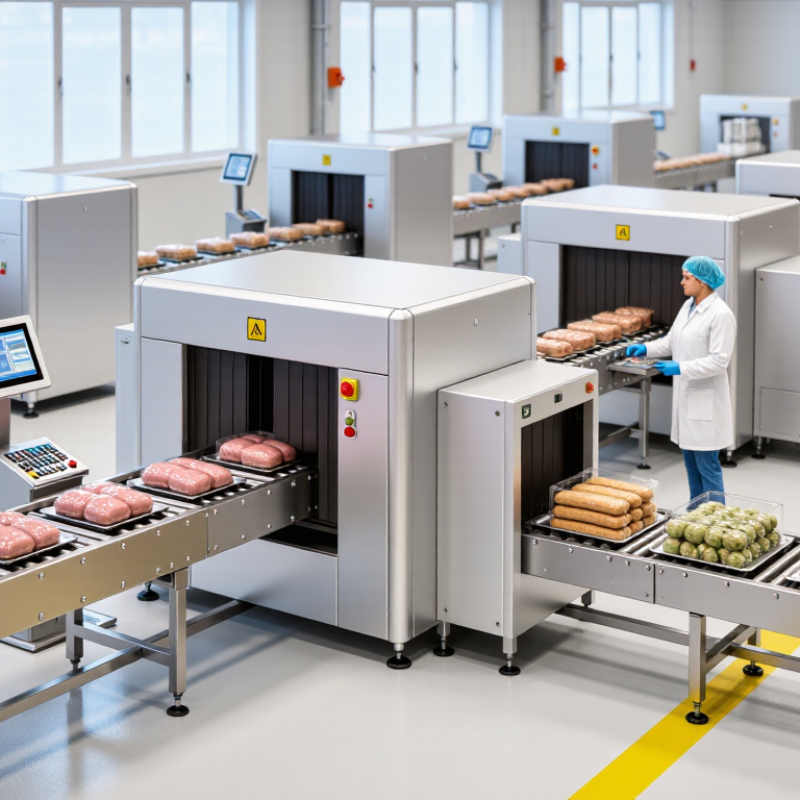
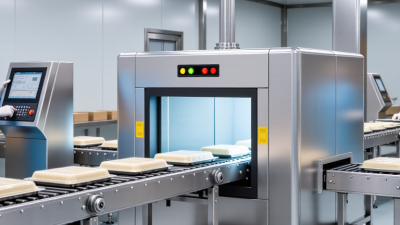
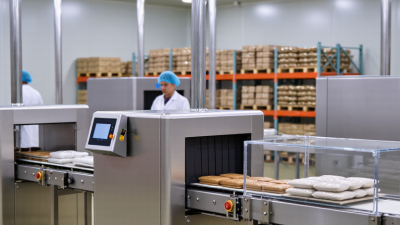
Food X-ray inspection equipment uses controlled X-ray energy to create images from differences in product density. Dense materials, such as metal, glass, stones, and some bones, appear brighter than food. The system can inspect sealed packs without opening them. It may also check missing products, damaged seals, and uneven fill levels.

A key safety reference is the 0.5 mR/h leakage limit, commonly measured at accessible cabinet surfaces under specified test conditions. This figure is not a universal operating rule. Requirements can vary by country, equipment class, and testing method. Qualified technicians should verify shielding, door interlocks, warning lights, and emergency stops. Radiation does not make food radioactive. Still, calibration errors, poor maintenance, or incorrect installation can reduce inspection reliability. No system catches everything. Small contaminants near dense packaging may remain difficult to detect.

Tips: Ask for documented factory testing, site acceptance measurements, calibration records, and operator training. Check the actual measurement distance and instrument used. Review rejected products regularly, not only during audits. Keep test pieces clean and traceable. A practical weakness is often overlooked: rushed operators may bypass routine checks. That habit needs correction, even when previous results look acceptable.
Top 10 Manufacturers Ranked by 0.3–2.0 mm Sensitivity and Throughput

Top 10 Food X Ray Inspection Equipment Manufacturers?

The strongest manufacturers are ranked by proven sensitivity from 0.3 to 2.0 mm and practical throughput. Sensitivity alone does not define equipment quality. A system detecting a 0.3 mm test piece may slow the line, reject too many packs, or require frequent cleaning. Reliable rankings should examine detection trials, belt speed, product spacing, software stability, and service response. Real production data matters more than showroom claims.

The highest-ranked manufacturers typically support fine detection at steady speeds above 150 packs per minute. Their equipment handles dense products, foil packaging, and uneven product flow with fewer false rejects. Mid-ranked manufacturers may reach 0.8 to 1.2 mm sensitivity while maintaining dependable throughput. These systems often suit bakeries, prepared foods, and chilled products. Lower-ranked candidates can still offer value when the target sensitivity is near 2.0 mm and the line speed is moderate.

Look closely at the details.

A hygienic stainless-steel frame, tool-free access, clear audit records, and simple calibration procedures show practical engineering. On-site testing should use the actual product, package, temperature, and belt speed. Laboratory results can mislead. I have seen excellent sensitivity weaken when wet products touched the belt unevenly. That weakness deserves attention, not concealment. Rankings also need regular review because software updates, service coverage, and factory quality can change. A manufacturer with slightly lower sensitivity may deliver better uptime and more consistent inspection results.

Safety and Compliance Benchmarks: FDA 21 CFR 1020.40 and HACCP

Top 10 Food X-Ray Inspection Equipment Manufacturers?

For a credible top-ten comparison, compliance should outweigh brochure claims. FDA 21 CFR 1020.40 sets cabinet X-ray requirements, including interlocks, warning indicators, shielding, and radiation leakage below 0.5 mR in one hour at five centimeters. These details matter beside a stainless-steel conveyor.

A guarded tunnel should stop exposure when a door opens. An external lamp should clearly show X-ray generation. Ask for test records, not promises.

HACCP adds the operational test.

Codex CXC 1-1969, revised in 2022, recommends hazard analysis, validated controls, monitoring, corrective action, and verification. X-ray inspection may control metal, glass, stone, or dense bone hazards, but it is not automatically a critical control point. The site’s hazard analysis decides that.

A useful acceptance trial should use certified test pieces across product positions. Record speed, temperature, pack orientation, and reject confirmation. Small details expose weak validation.

The WHO’s 2015 global estimate linked contaminated food to 600 million illnesses and 420,000 deaths annually.

That supports disciplined prevention, not fear-based selling. Compare the top ten candidates by detection sensitivity, false-reject rate, audit trails, integration, and service response. Independent radiation surveys strengthen evidence.

Factory experience still matters. I would question impressive sensitivity claims based only on dry, uniform packs. Real production is messier. Perhaps that is the uncomfortable benchmark.

Hygienic Design Metrics: IP69K Protection and Multi-Lane Inspection

Top 10 Food X-Ray Inspection Equipment Manufacturers: Hygienic Design Metrics

Food x-ray equipment must survive more than routine cleaning. IP69K protection, defined by ISO 20653, withstands high-pressure water jets near 80°C. That matters when operators wash down conveyors, seals, and inspection tunnels daily. Hygienic frames should use smooth welds, sloped surfaces, and minimal ledges. EHEDG hygienic design guidance supports these features because trapped moisture can encourage contamination risks.

Multi-lane inspection adds another challenge. A six-lane system may inspect several products simultaneously, but each lane needs stable alignment and clear rejection control. The machine should maintain sensitivity across different belt positions. MarketsandMarkets’ Food Safety Testing Market report identifies automation and inline inspection as important growth drivers. However, market growth does not guarantee dependable performance. Poorly positioned guides can still create blind spots. That weakness deserves honest review.

Tips: Ask manufacturers for IP69K test evidence, not only brochure claims. Check access panels after cleaning. Measure lane-to-lane detection consistency during factory acceptance testing. Record false rejects over several production shifts. A practical trial often reveals more than a polished demonstration. Also inspect cable entries and drainage points; small details fail first.

Top 10 Food X-Ray Inspection Equipment Manufacturers? - Hygienic Design Metrics: IP69K Protection and Multi-Lane Inspection
Rank Anonymous Manufacturer Profile Primary Equipment Format Hygienic Construction Ingress Protection Typical Lane Capacity Typical Product Speed Typical Detection Capability Reject System Common Compliance Targets Best-Fit Food Applications
1 Supplier Profile 01 High-speed conveyor X-ray inspection system 304 stainless-steel frame; sloped surfaces; tool-free access zones IP69K available 1–4 lanes Up to approximately 90 m/min Low-density foreign bodies, glass, stone, calcified bone and metal Air blast, pusher or belt-stop configuration HACCP-based food safety systems; CE or equivalent regional requirements Packaged meat, poultry, seafood and ready meals
2 Supplier Profile 02 Multi-lane packaged-food X-ray platform 304 stainless steel with washdown-oriented enclosure design IP69K available 2–8 lanes Approximately 60–120 m/min, product dependent Contamination detection plus missing, broken or underweight product checks Individual-lane reject or common reject conveyor HACCP, retailer audit programs and applicable electrical safety standards Snacks, confectionery, bakery and multipacks
3 Supplier Profile 03 Hygienic belt inspection machine for wet environments 316 stainless-steel product-contact components; open-frame drainage design IP69K available 1–3 lanes Up to approximately 70 m/min Metal, glass, mineral stone and dense plastic contamination Sanitary pneumatic reject with reject confirmation EHEDG-style hygienic design principles; HACCP and GMP programs Fresh meat, fish, cheese and chilled foods
4 Supplier Profile 04 Compact X-ray inspection system for small packages 304 stainless-steel cabinet; rounded corners; sealed conveyor sections IP65–IP69K 1–2 lanes Approximately 40–80 m/min Typical system resolution in the sub-millimetre range, application dependent Air blast or stop-and-release reject CE marking where applicable; documented HACCP control points Small pouches, sachets, jars and trays
5 Supplier Profile 05 Large-aperture X-ray system for bulk and case inspection Heavy-duty stainless-steel construction; removable guards and hygienic welds IP69K optional 1–4 lanes Approximately 30–80 m/min Foreign-body detection across larger product heights and cartons Diverting conveyor, flap gate or pneumatic pusher HACCP, GMP and site-specific customer validation protocols Bulk ingredients, cases, sacks and large cartons
6 Supplier Profile 06 Dual-energy X-ray inspection platform Washdown-compatible stainless-steel enclosure with sealed electronics IP69K available 1–6 lanes Up to approximately 100 m/min Improved material discrimination for difficult-to-detect contaminants High-speed air blast or lane-specific reject HACCP, GMP and applicable radiation-safety requirements Low-density products, frozen foods and mixed ingredients
7 Supplier Profile 07 Integrated checkweigher and X-ray inspection line Stainless-steel conveyor modules; hygienic belt and frame options IP65–IP69K 1–4 lanes Approximately 45–100 m/min Contamination, mass verification and package completeness checks Reject verification with bin-full and fault monitoring HACCP, traceability procedures and retailer technical standards Retail-ready trays, cartons, pouches and multipacks
8 Supplier Profile 08 High-care conveyor X-ray system with automated sanitation features Open hygienic design; minimized ledges; removable belts and guards IP69K available 1–3 lanes Approximately 50–90 m/min Metal, glass, bone, stone and selected high-density plastic contaminants Sanitary air blast or retracting belt reject EHEDG-oriented design, HACCP and customer sanitation validation High-care ready-to-eat and chilled food production
9 Supplier Profile 09 Modular X-ray inspection system for flexible production lines 304 stainless-steel modular frame; adjustable guides and conveyor width IP69K optional 1–6 lanes Approximately 40–100 m/min Configurable contamination, fill-level and product-integrity inspection Programmable reject timing with production-line interface CE or regional equivalent; HACCP and electronic record controls Contract packing, private-label goods and changing SKU ranges
10 Supplier Profile 10 Entry-to-mid-range food X-ray inspection conveyor Stainless-steel contact surfaces; sealed detector and generator housing IP65–IP69K 1–2 lanes Approximately 25–70 m/min Standard foreign-body detection for consistent packaged products Air blast, pusher or manual hold-and-release option HACCP-based controls and applicable machinery-safety standards Bakery, dry foods, jars, cans and small cartons
IP69K refers to protection against high-temperature, high-pressure washdown under the applicable test method. Actual speed, detection sensitivity, lane count, aperture size and reject performance depend on product density, package format, line layout and the selected model configuration.

Buying Criteria: Test Pieces, Validation Records, and Total Cost of Ownership

When comparing the top 10 food X-ray inspection equipment manufacturers, start with practical evidence, not brochure claims. Ask each supplier for test-piece specifications, detection limits, and recent validation records. Test pieces should represent real production risks, including metal, glass, stone, and dense bone fragments. Their size, shape, position, and packaging should match your products.

A credible evaluation includes documented installation, operational, and performance checks. Request signed records from factory testing and site commissioning. Observe repeated tests at different conveyor speeds, product temperatures, and package orientations. The reject mechanism must respond consistently, not only during a carefully prepared demonstration. Records matter more. Missing challenge-test details should raise questions, even when the equipment looks technically advanced.

Total cost of ownership often changes the ranking. Include purchase price, integration, training, electricity, software updates, spare parts, calibration, cleaning time, and planned maintenance. Ask how quickly technicians can respond and whether common components are stocked locally. A cheaper system may create higher costs through false rejects or production stoppages. My own early comparisons sometimes underestimated operator training and changeover time. That was a mistake. A reliable supplier should explain assumptions clearly, provide measurable performance data, and accept independent verification before purchase. The strongest proposal is not always the lowest quote; it is the one with traceable evidence and realistic operating costs.